


PROME P390 is a new-generation fuel cell system developed by Shanghai Hydrogen Propulsion Technology Co., Ltd., (SHPT). Liebherr is the supplier of PROME P390’s fuel cell compressor, which, together with the stack, is one of the most important elements of the fuel cell system.
The end customer, SAIC Motor, is using PROME P390 in the development of its fuel cell vehicle: the MAXUS FCV80, a wide-body, light passenger car. As set forth by SAIC, the new-generation fuel cell system has a power of 115 kW and allows low-temperature starts at -30°C.
Obtaining China’s Compulsory Certification (CCC) is the first important step in the development of PROME P390, since CCC is required for any product to be commercialized in China. CCC was first introduced in 2002, and it covers safety, product testing and factory audits — among many other standards required to obtain the certification. The authorities granted CCC with no expiration date as long as there are no changes in parameters.
You might also be interested in
11/05/2026
Press releases
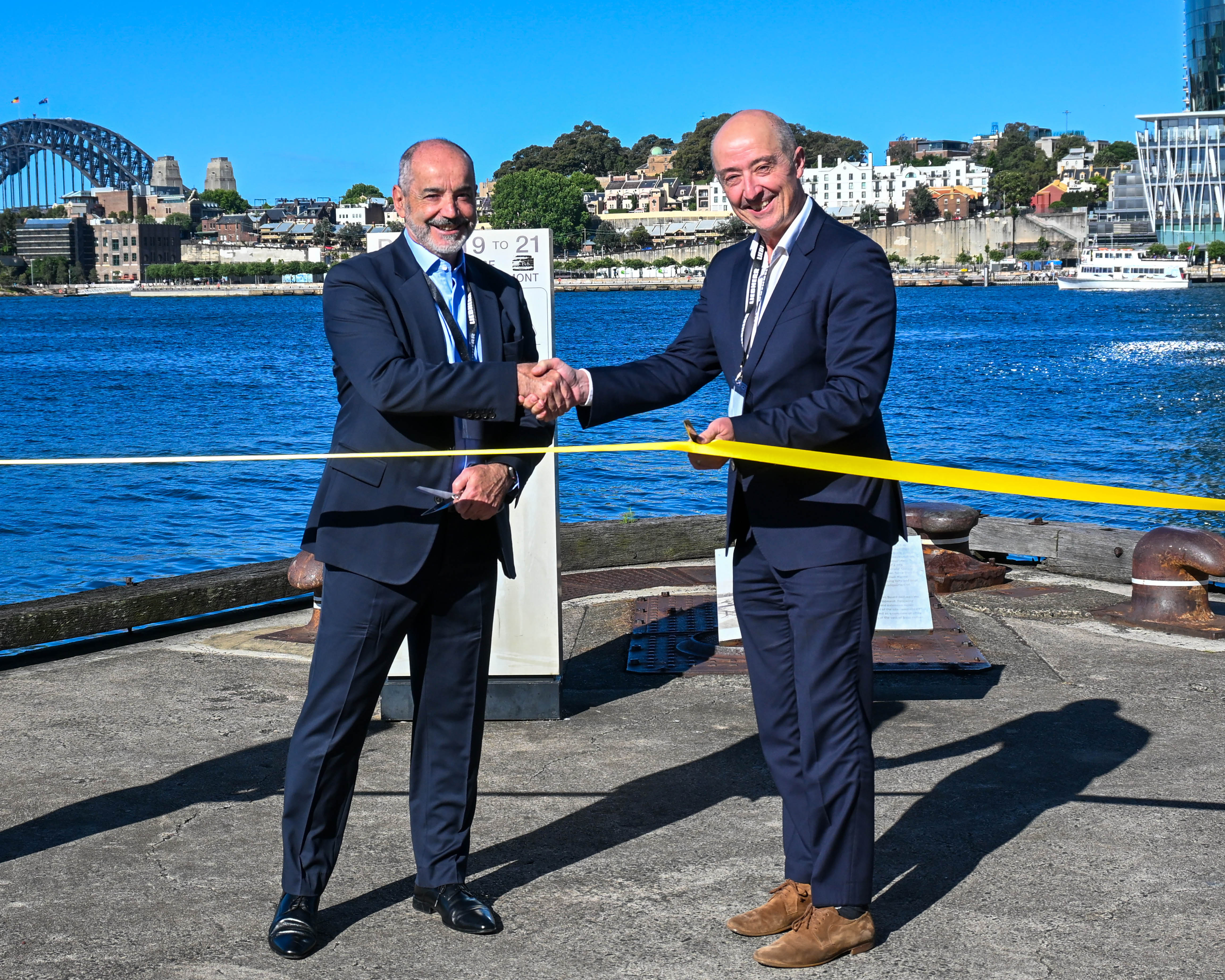
Liebherr-Aerospace strengthens its presence in Australasia
Liebherr-Aerospace is expanding its footprint in Australasia with a new representative office in Sydney, strengthening already existing as well as establishing new local relationships and intensifying customer services across Australia and New Zealand. Based within the Liebherr Group’s existing Pyrmont facility, the office reinforces the company’s commitment to the region, where the aviation industry is currently undergoing a significant period of fleet renewal and investment.
11/05/2026
News
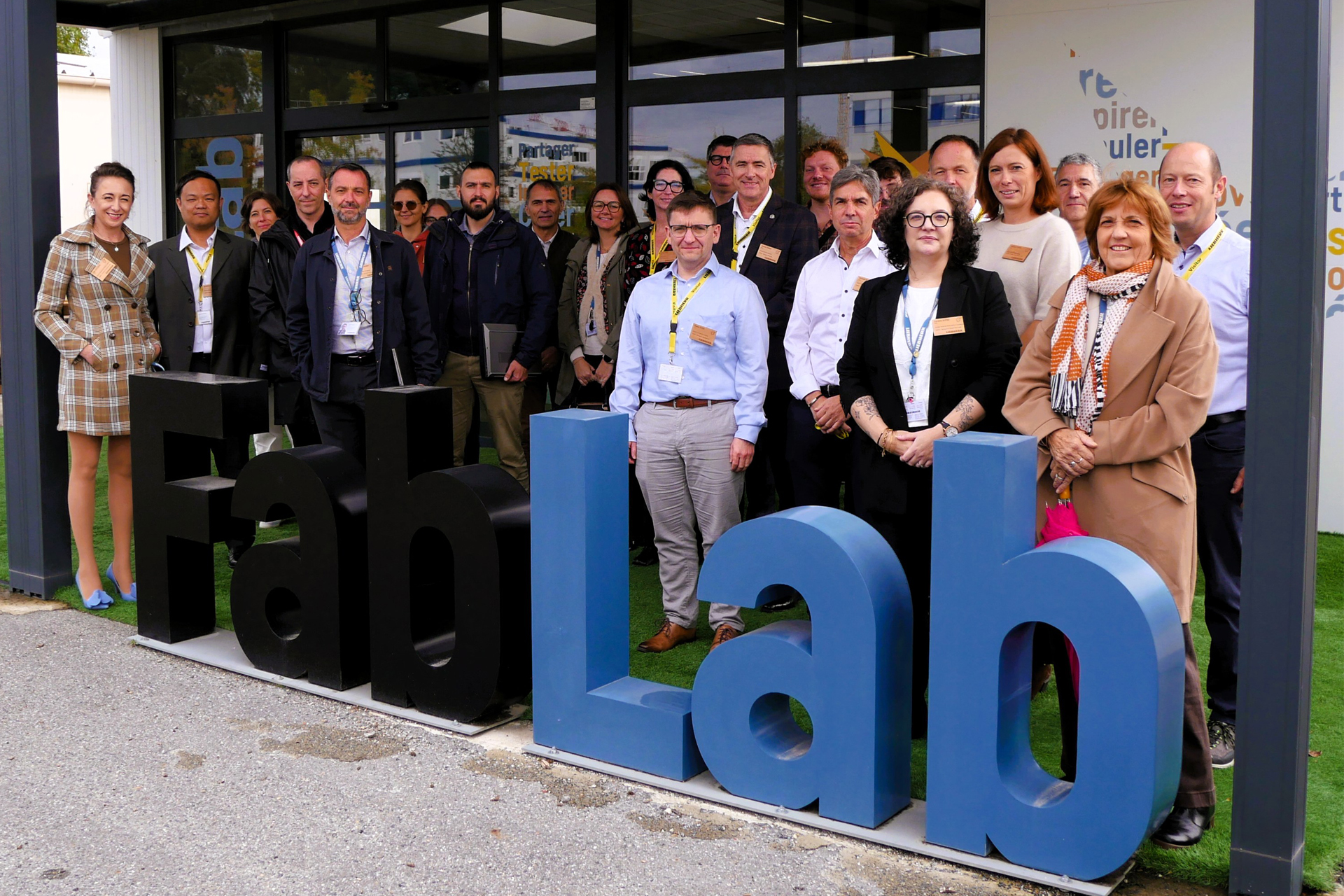
Sustainability Days foster exchange at Liebherr-Aerospace & Transportation SAS
At Liebherr-Aerospace & Transportation SAS in Toulouse, colleagues spent two days exchanging on corporate responsibility, supply chain integration, reporting requirements, and related operational challenges.
10/28/2026
Press releases
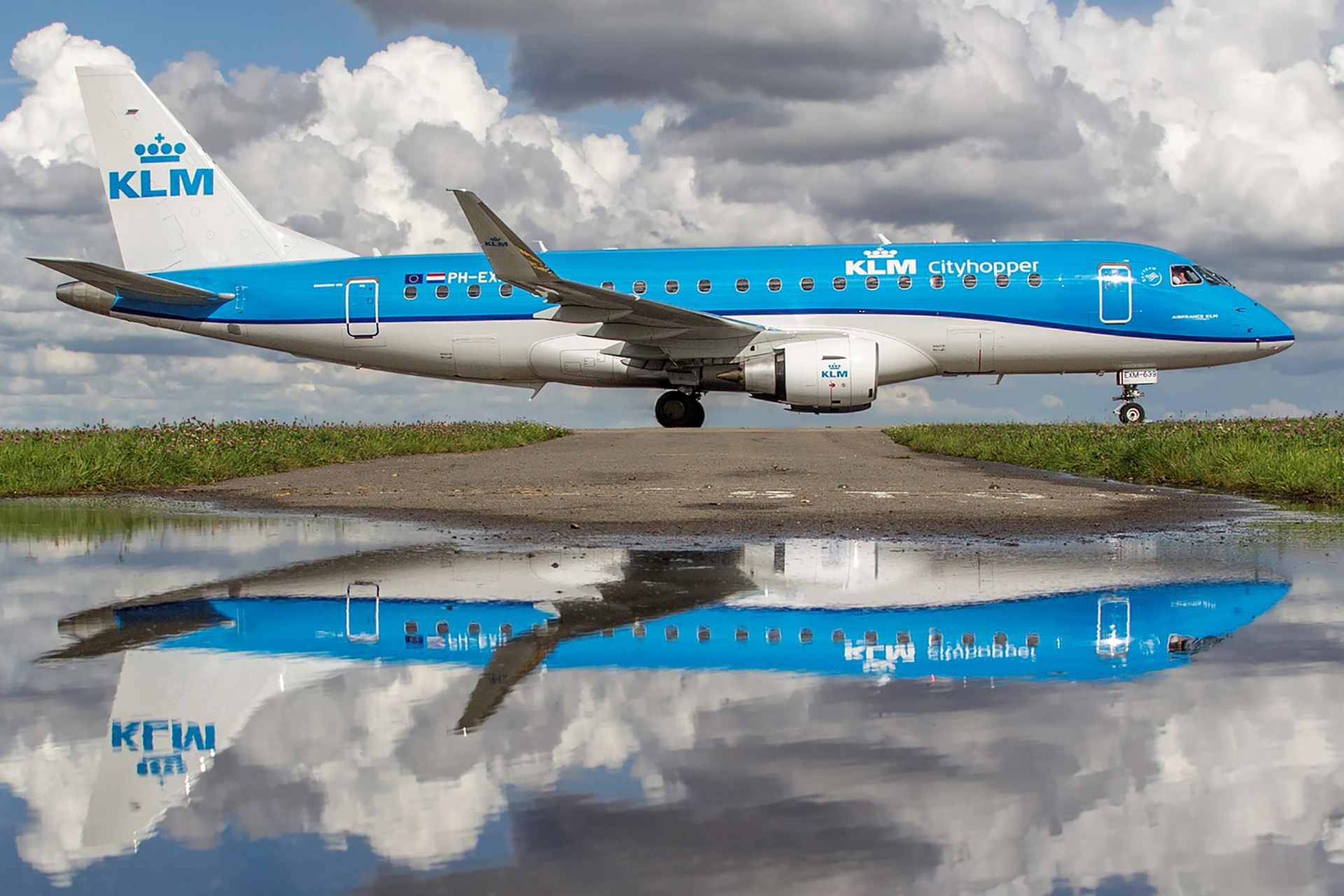
Liebherr to overhaul KLM Cityhopper’s Embraer 175-E1 landing gears
Liebherr-Aerospace and KLM Cityhopper have signed an agreement covering the overhaul of the main and nose landing gear systems on the airline’s Embraer 175-E1 aircraft fleet. The campaign is scheduled to begin in November 2027.