
Deep foundation
Grab drilling

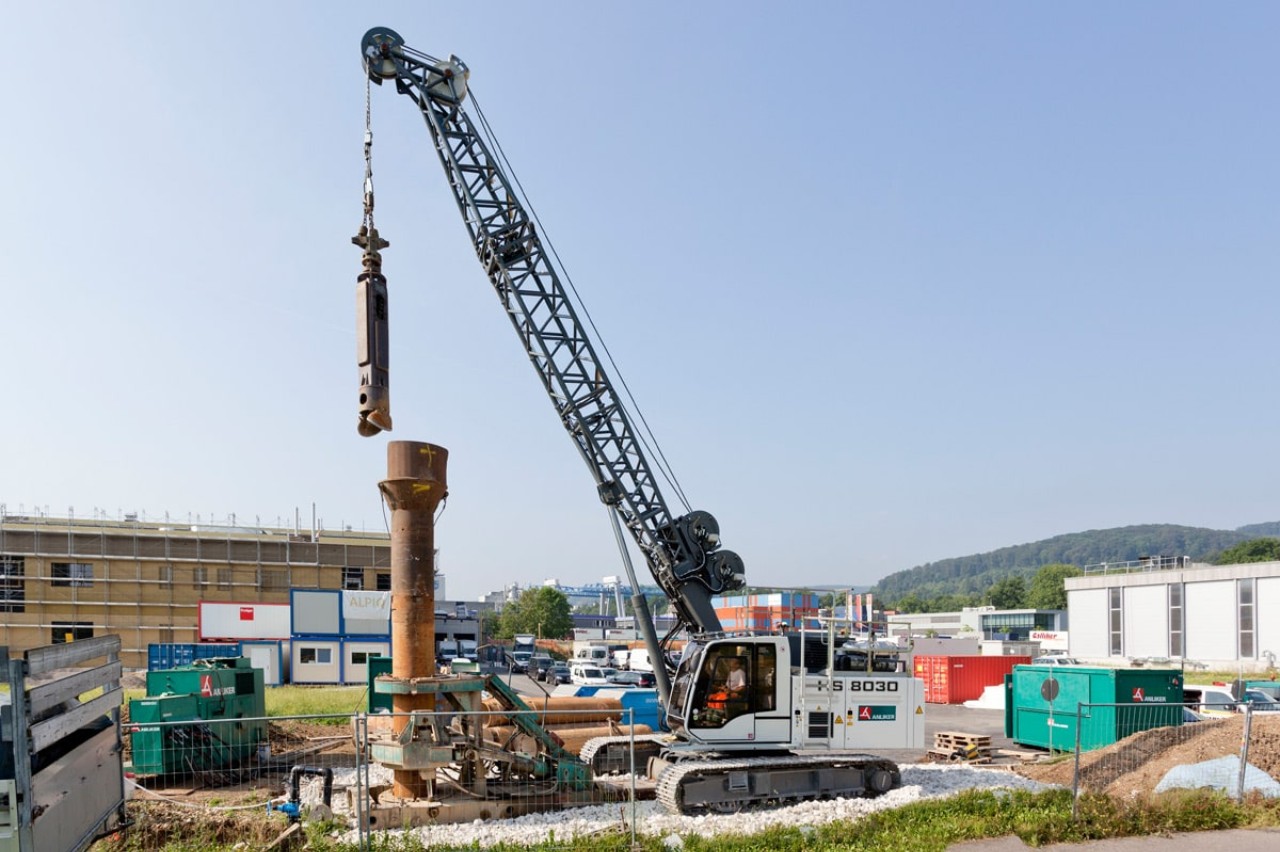
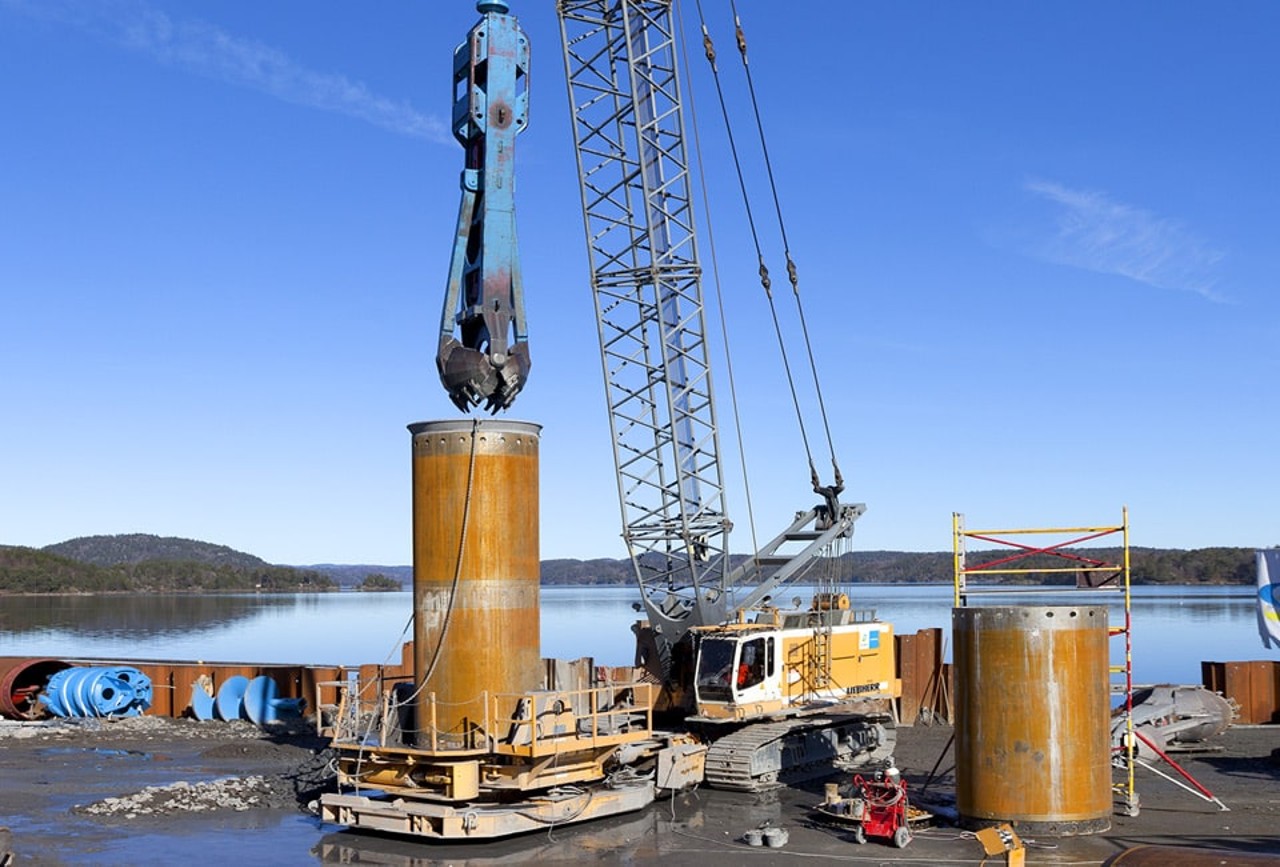
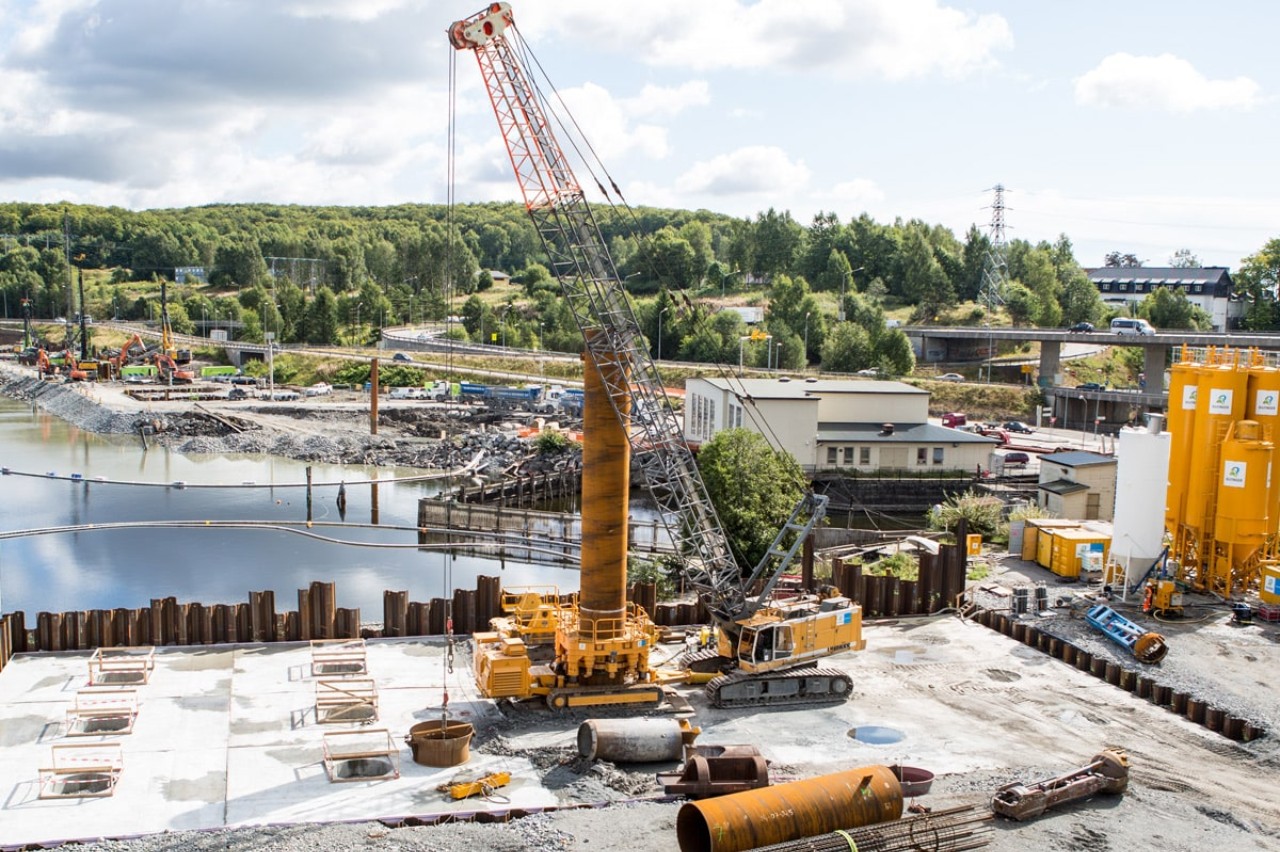
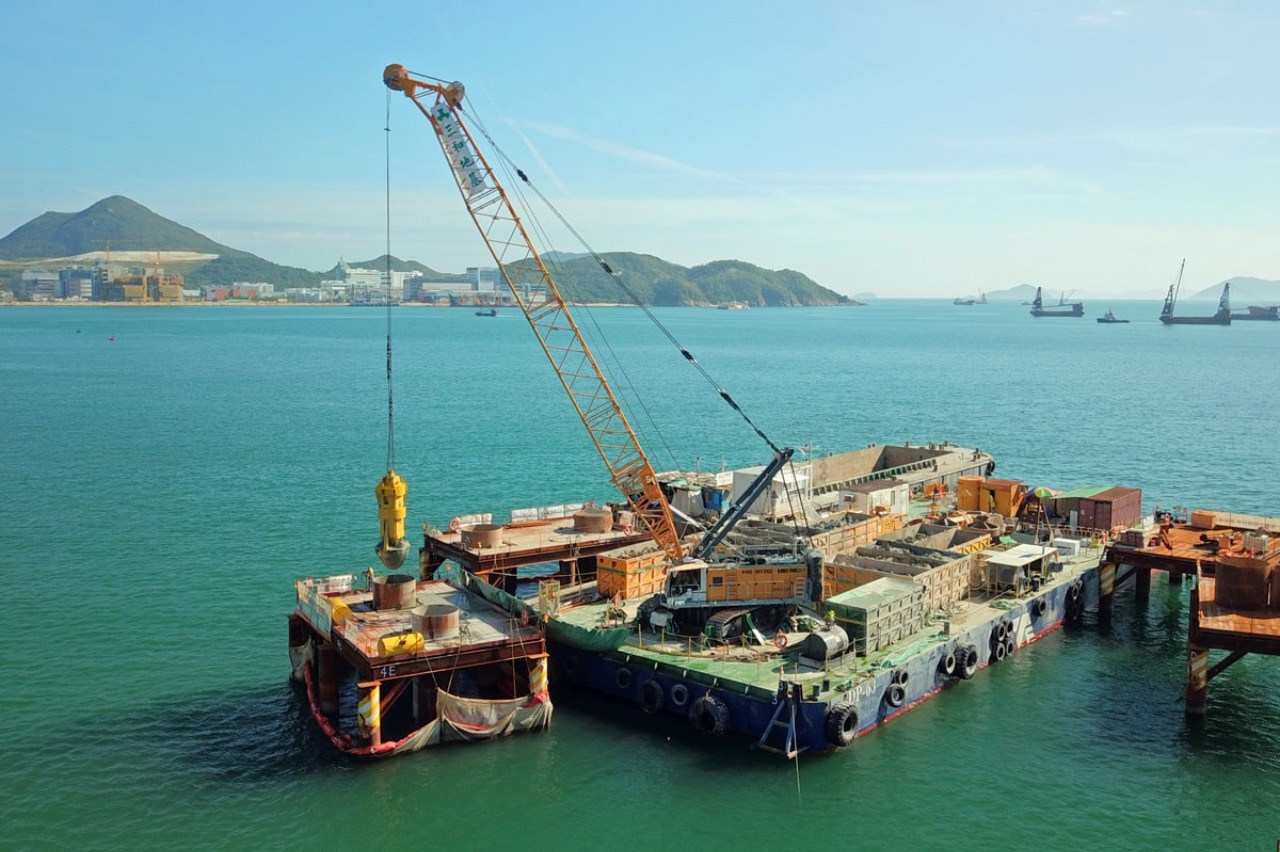
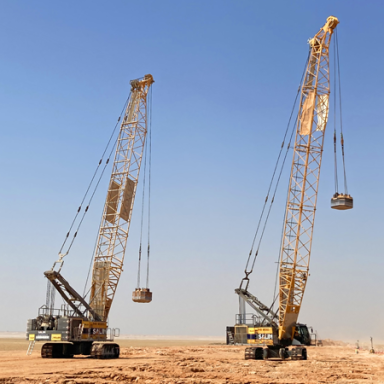
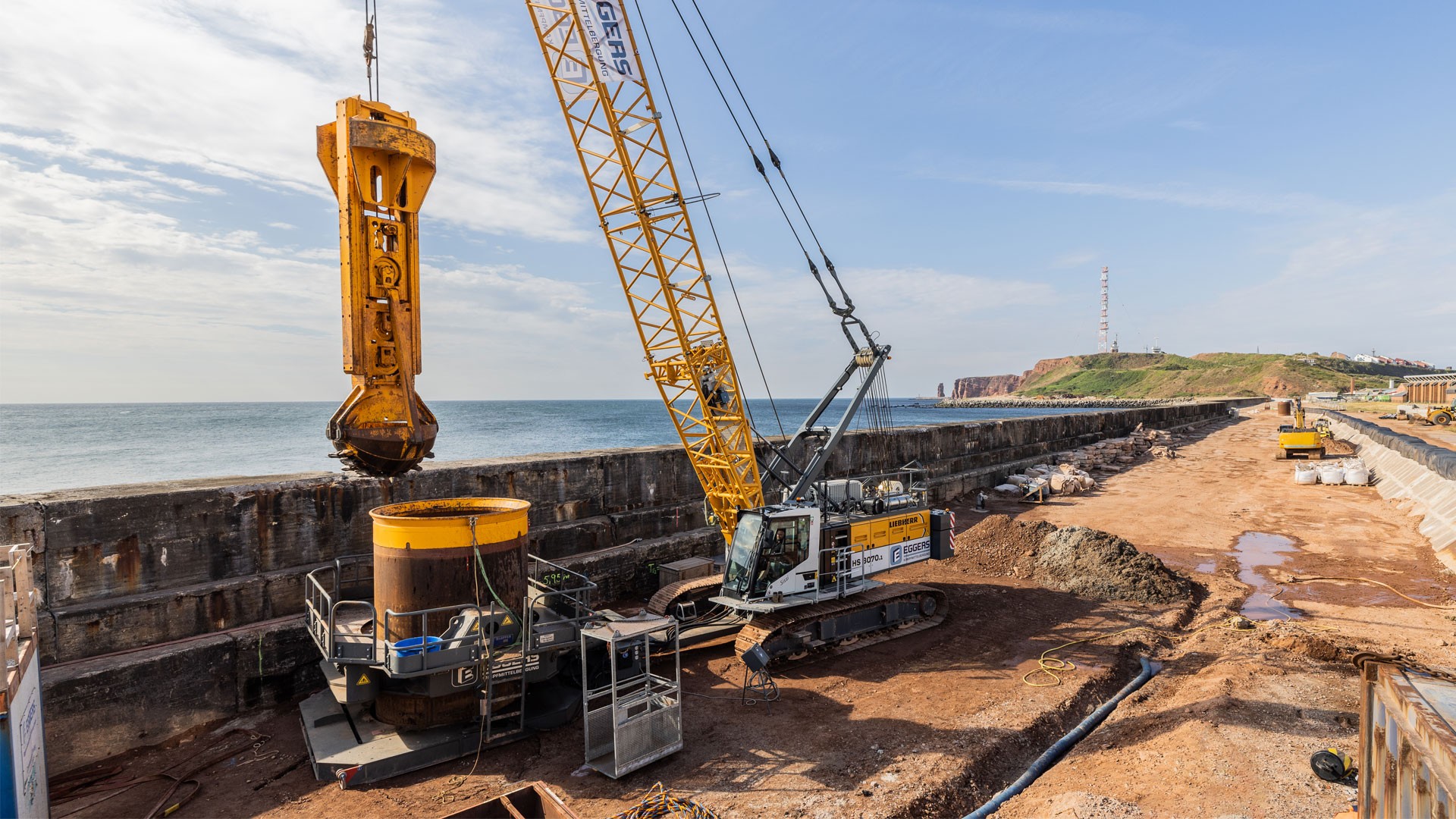
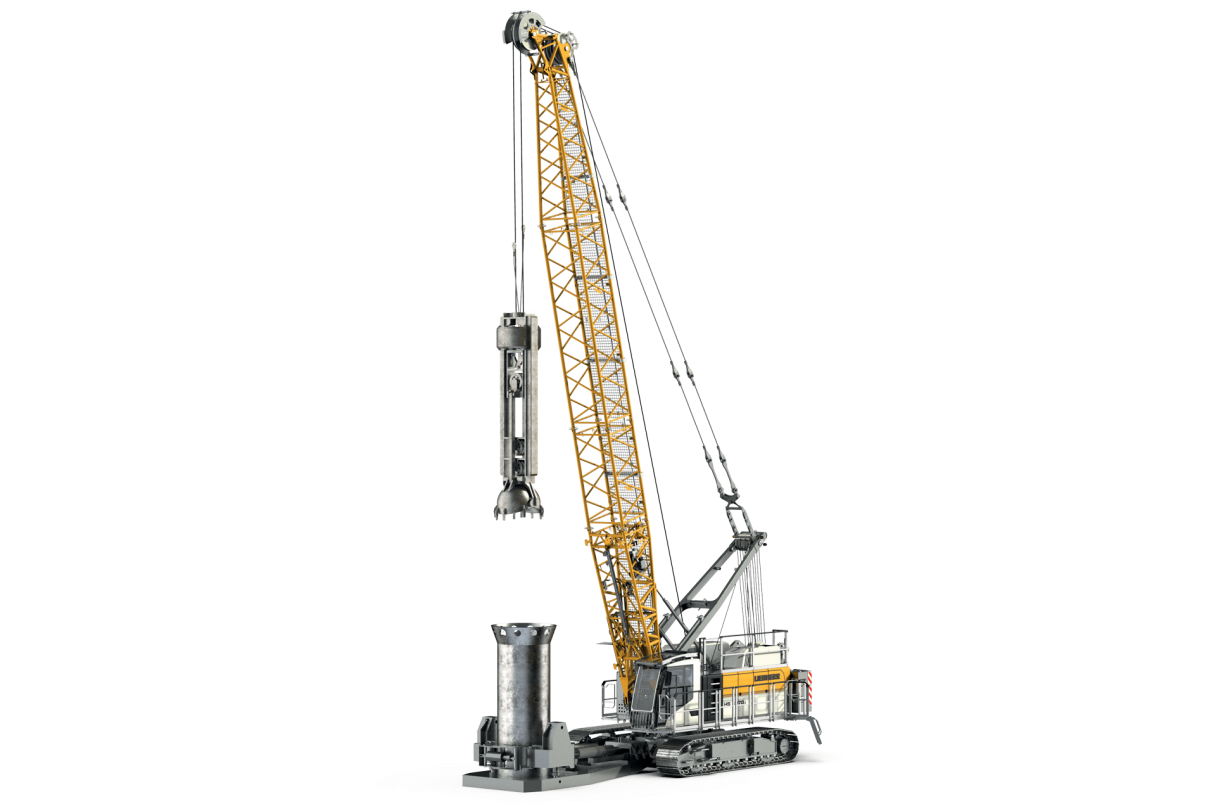
Drilling with bored pile grab is one of the oldest dry drilling methods and is still common today. Depending on the tools used, e.g. bored pile grab, chisel or special tools hanging on a duty cycle crawler crane, the soil is loosened either by cutting or impact driving. This method is applied, for instance, for well drilling with small drilling diameter or for the production of cast-in-place piles with sometimes very large diameters.
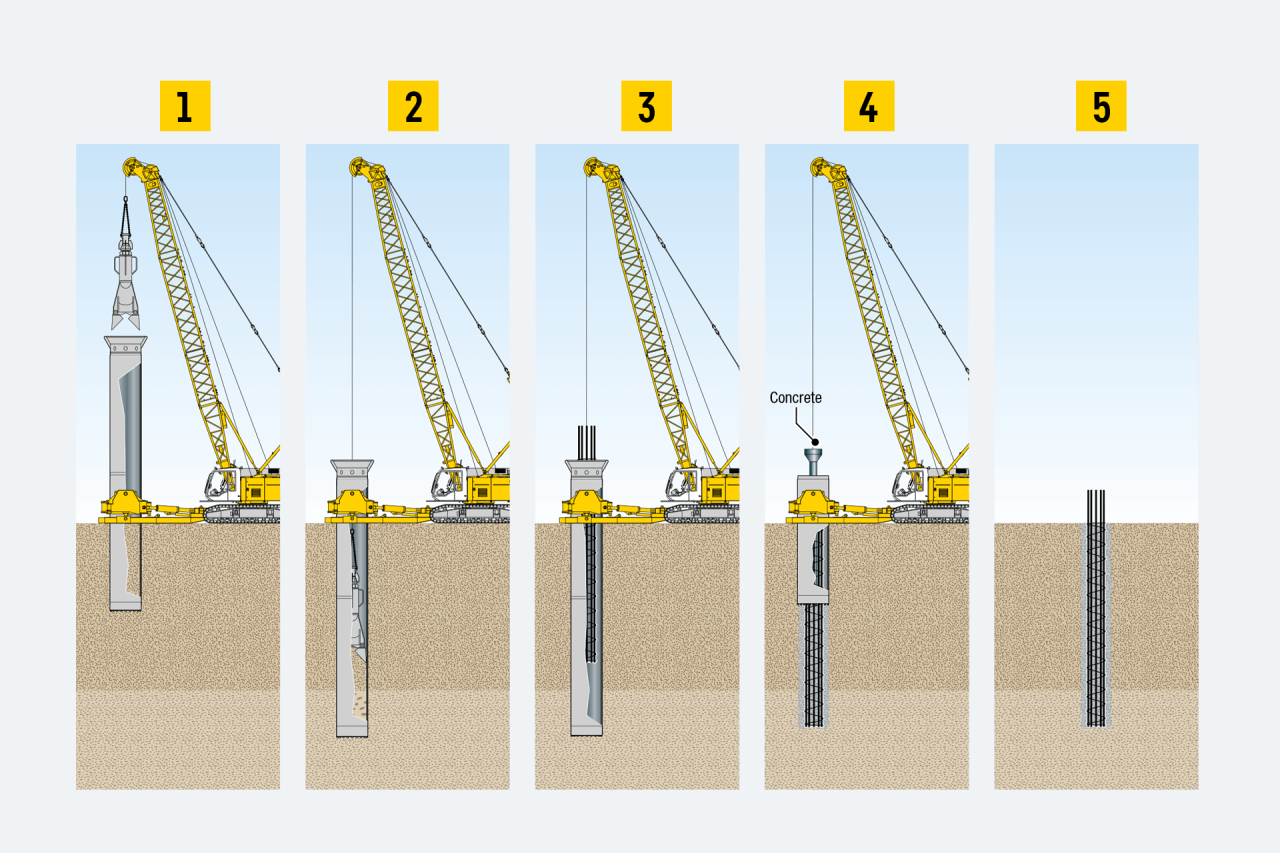
The process of installing a drilled pile using the grab excavation method includes the following steps:

1. Insertion of the casings

2. Emptying of the casings, e.g. with bored pile grab

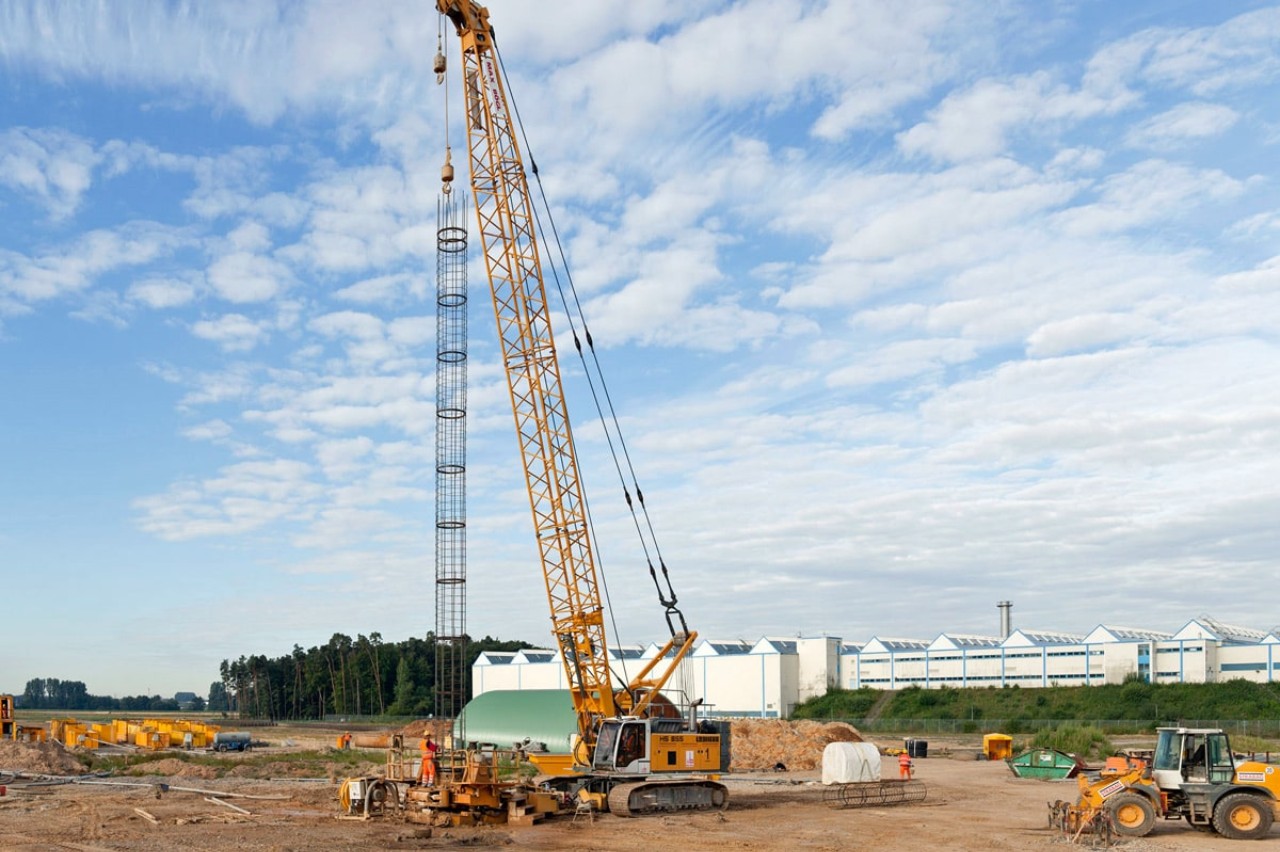
3. Inserting the reinforcement

4. Concreting and step by step extraction of the casing

5. Finished pile

Video drilling with hammer grab

The video shows duty cycle crawler cranes from Liebherr in drilling operation with hammer grab at various construction sites.

Examples for drilling with pile grab and casing oscillator
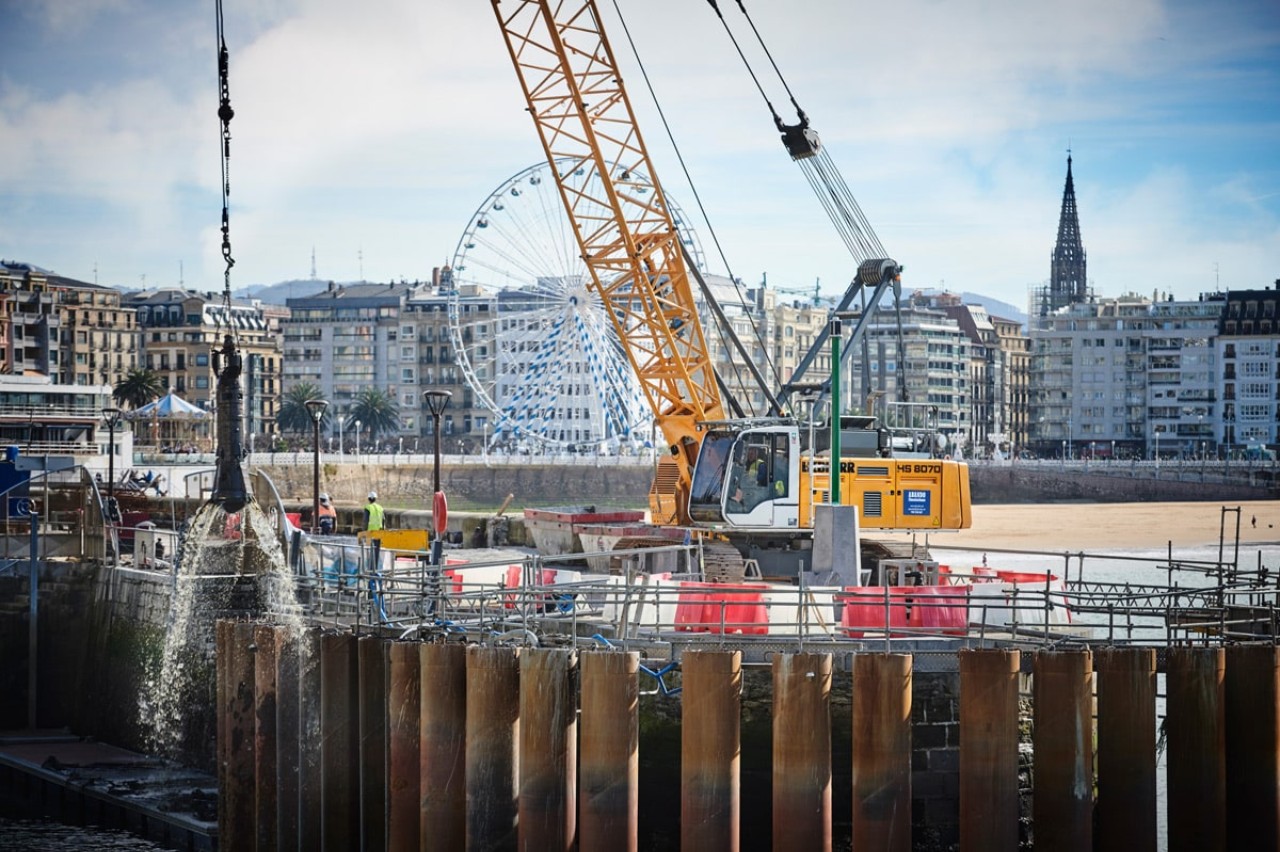
Universal drilling process
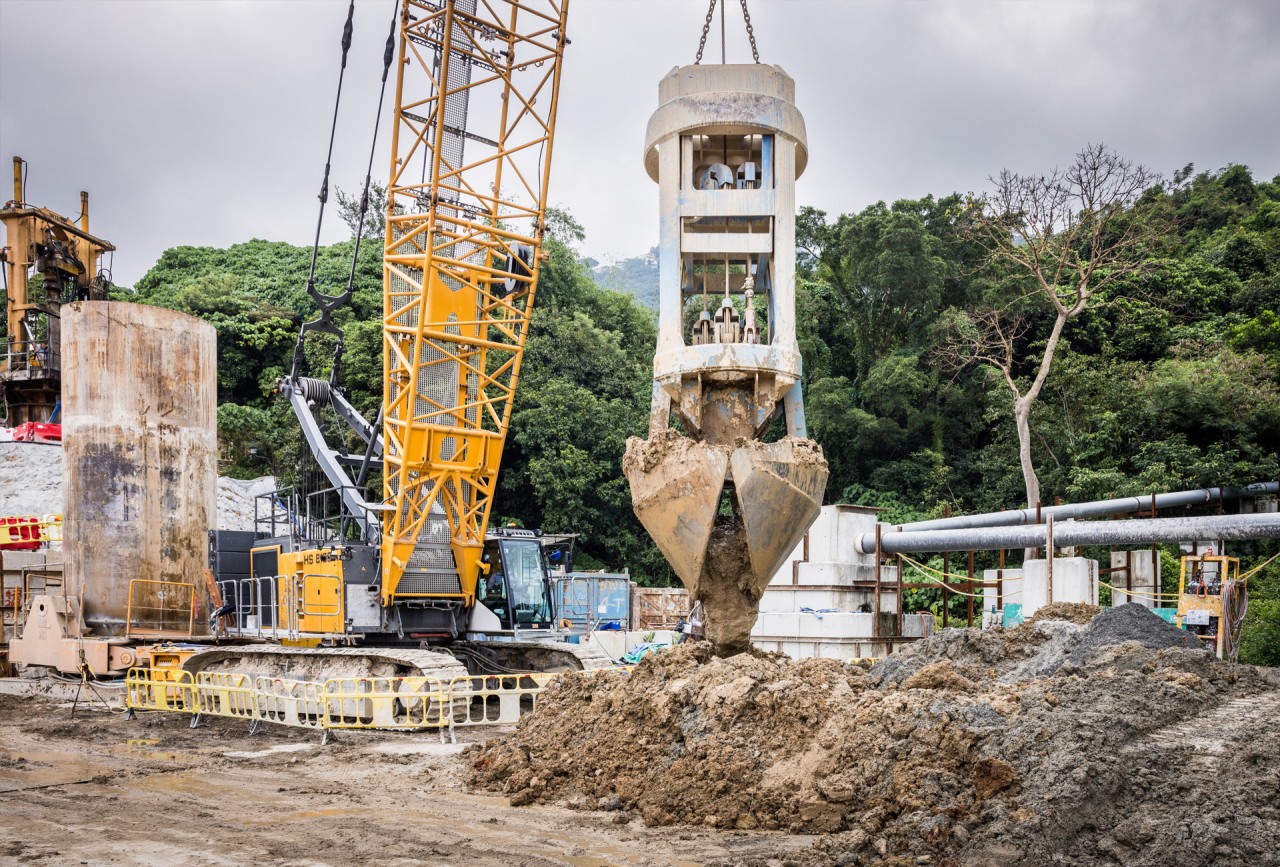
Drilling with bored pile grab can be applied in nearly all types of soil, with or without groundwater.

Duty cycle crawler cranes as carrier machines

For drilling with bored pile grab duty cycle crawler cranes of the HS series are used as carrier machines.

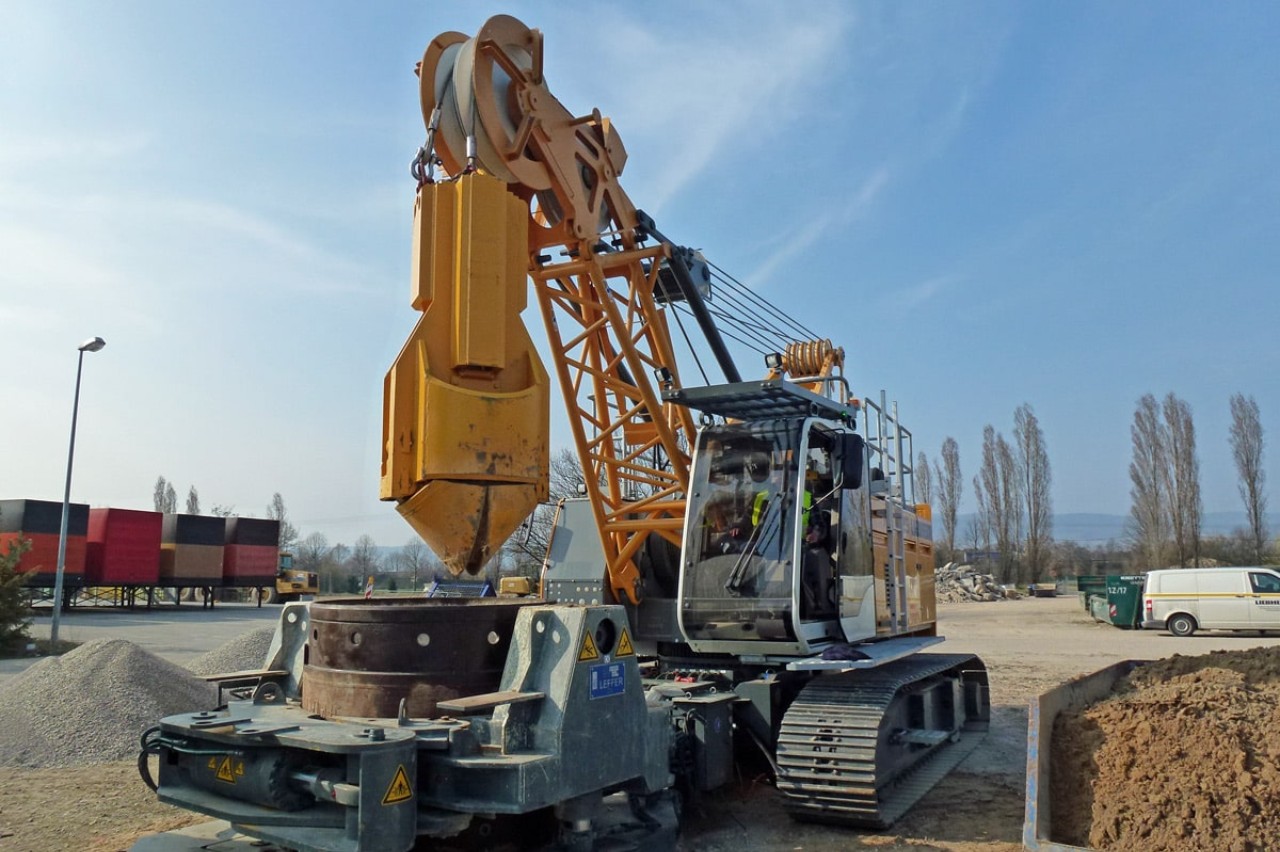
Hammer grab

The bored pile grab penetrates the ground in free fall and loosens it with a combined deformation and shear movement.

Digging grab

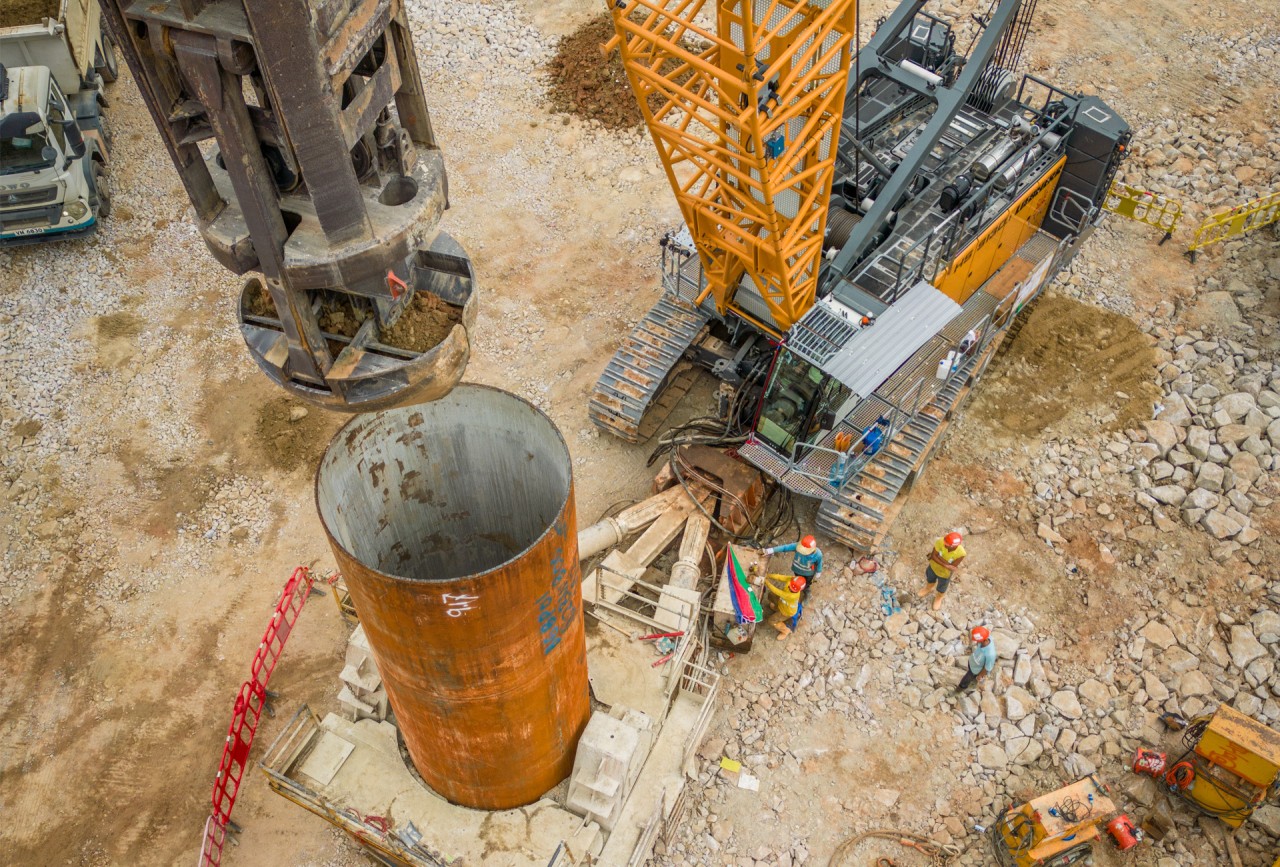
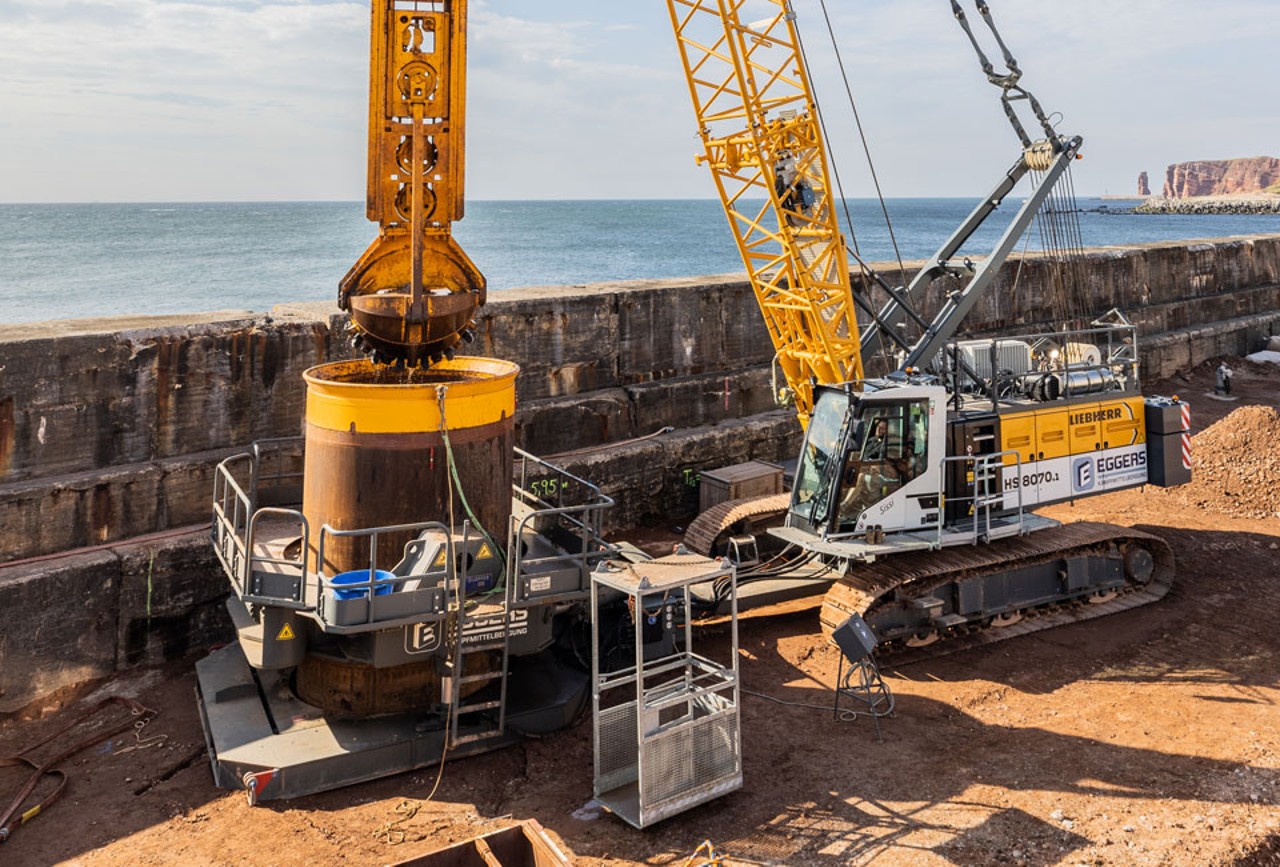
The digging grab is positioned at the bottom of the borehole. The ground is loosened by closing the spherical shells.

Casing

Cased boreholes are always recommended when the building ground is not stable enough.

Casing oscillator

Mainly casing oscillators, type VRM, are used for drilling with bored pile grab.

Casing rotator

For difficult soil conditions or long casing sections, casing rotators, type RDM, are used.

Radius

Compared with rotary drilling rigs, boreholes can be installed with a larger distance between carrier machine and drilling axis.

Cast-in-place pile

After the final drilling depth has been reached, the reinforcement cage is inserted and, subsequently, concrete is filled in.

Short booms

For drilling operations with restricted headroom, special short booms and drilling tools are available.

01/10

Machines

Results 1-5 of 5
  • Max. lifting capacity - 40 t

  • Engine power - 230 kW

  • Max. winch line pull - 2 x 120 kN

  • Max. main boom - 41.00 m

  • Max. lifting capacity - 200 t

  • Engine power - 750 kW

  • Max. winch line pull - 2 x 350 kN

  • Max. main boom - 68.00 m

  • Max. lifting capacity - 100 t

  • Engine power - 450 kW

  • Max. winch line pull - 2 x 295 kN

  • Max. main boom - 59.00 m

  • Max. lifting capacity - 70 t

  • Engine power - 320 kW

  • Max. winch line pull - 2 x 200 kN

  • Max. main boom - 50.00 m

  • Max. lifting capacity - 130 t

  • Engine power - 565 kW

  • Max. winch line pull - 2 x 350 kN

  • Max. main boom - 53.00 m

Get in touch

If you have any further questions, please contact our local sales or service team.