



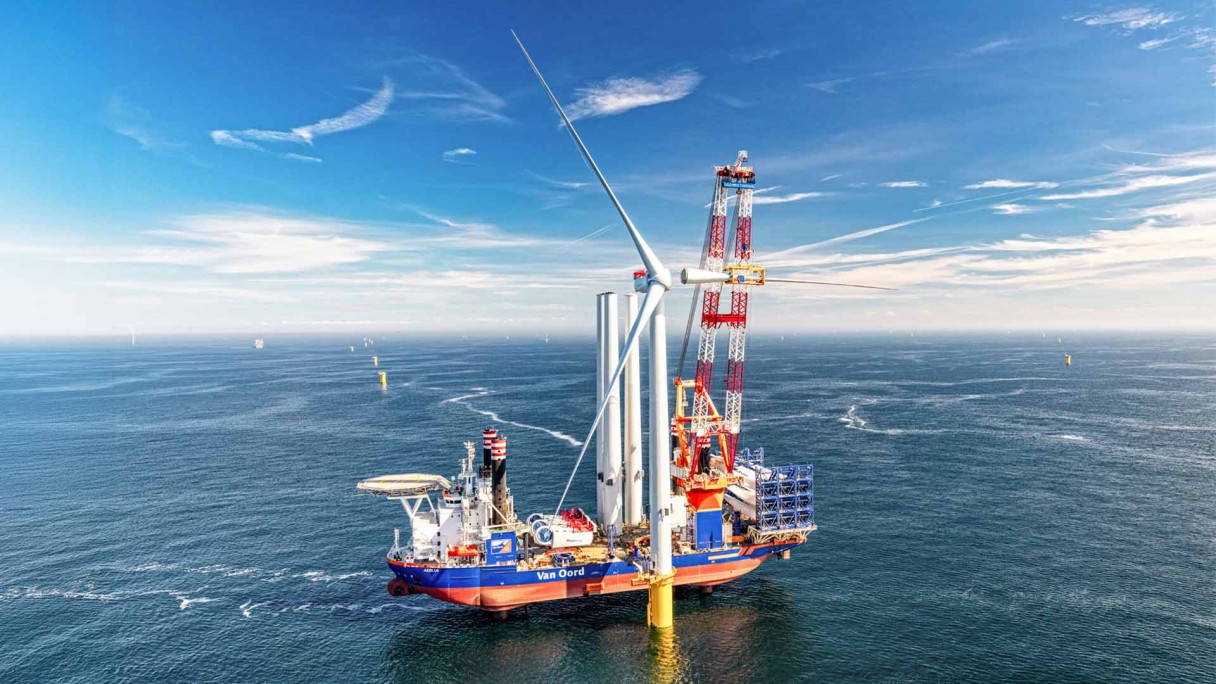
Made with Liebherr
Installation vessels are the ideal tool for the construction of offshore wind farms. The “Aeolus” is one of these powerful installation ships. It is equipped with gigantic steel legs with which it can lift itself above the surface of the sea. This means that it can operate in a stable position even in water depths of 45 metres, regardless of the sea conditions. The “Aeolus” is equipped with a powerful crane that lifts loads of 900 tonnes at a radius of 30 metres. However, the workboat can also be used as a pure floating crane for lifting work in harbour facilities without the use of jack-up legs. Over ten years ago, the huge steel pipes were installed by a Liebherr LR 13000 crawler crane.
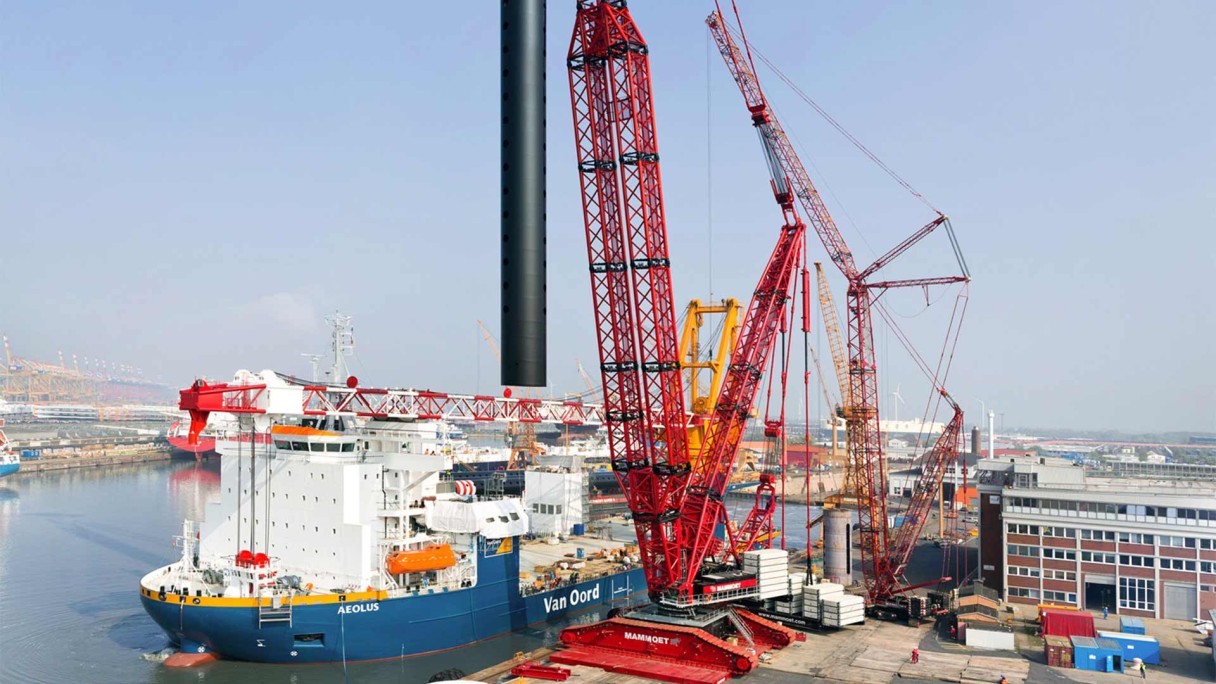
Enormous legs for a ship
In the spring of 2014, the Lloyd shipyard in Bremerhaven was the arena for the European premiere of the largest conventional crawler crane in the world. The first Liebherr LR 13000 crawler crane was used on a truly exceptional project. A newly built installation vessel for the assembly of offshore wind turbines was fitted with four huge jack-up legs. The imposing steel tubes with a length of 87 metres had to be lowered into the ship’s hydraulic lifting system from above. To cope with these loads of almost 1,000 tonnes gross weight, the giant crane was set up with its PowerBoom for the first time. In this configuration, the lattice boom runs parallel over a length of 48 metres in a double design. This gives the large crane a high level of stability and enables it to increase its lifting capacity by an incredible 50 per cent compared to the standard boom, up to a radius of 35 metres.
The globally operating heavy load and crane specialists from the Dutch company Mammoet had brought their almost-new LR 13000 back to Germany from its first use in the USA for this operation. Four weeks were originally planned for the assembly of the crane with the PowerBoom, but after just twelve days the crawler crane with its 65 tonne hook block was already towering into the sky and ready for use. “It can be set up like a larger LR 11350,” commented crane operator Jouke Bruin on the set-up work at the time.

Built for eternity
The Colosseum in Rome is the largest amphitheatre in the world. Built between 72 and 80 AD, it served as a venue for brutal events that were offered free of charge for the entertainment of the Roman population. Today, the Colosseum is an important landmark in Rome and an impressive testimony to Roman architecture. But the ravages of time are taking their toll even on this monument. Liebherr cranes are regularly used for renovation work.
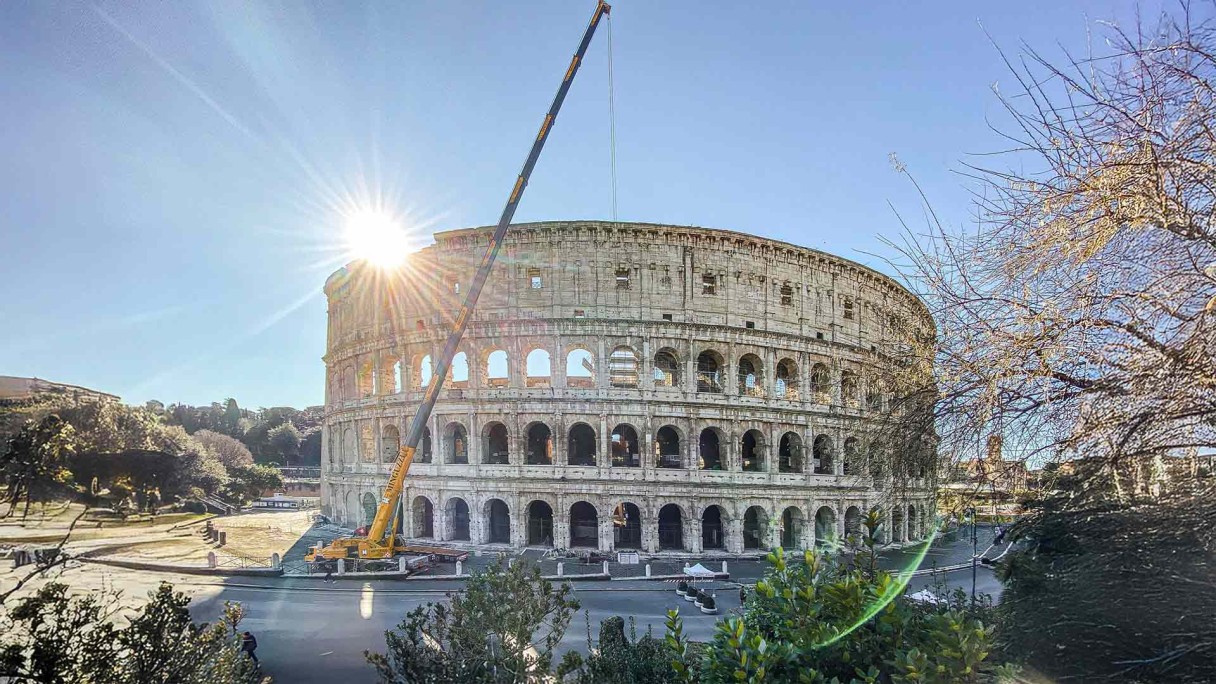
Modern technology meets ancient splendour
The Colosseum in Rome, one of the most impressive buildings of antiquity, attracts millions of visitors every year. As the largest amphitheatre in the world, it is an icon of Roman architectural prowess.
The Colosseum is constantly being renovated to preserve its historical splendour. The Roman crane contractor Minguzzi S.r.l. is using an LTM 1230-5.1 to lift building materials for the renovation work. The powerful Liebherr mobile crane enables precise lifting operations, which are essential for the demanding work on the Colosseum. The combination of state-of-the-art technology and centuries of history makes this renovation a fascinating project. The Colosseum will not only be restored, but will also remain an important landmark of Roman culture.

The Beehive
New Zealand’s parliament building, known as “The Beehive”, is a striking landmark in Wellington. It houses the offices of the ministers, while the meetings take place in the neighbouring historic parliament building. The building with its beehive-like architecture symbolises New Zealand’s democracy and history. An old tree and a modern Liebherr crawler crane tell a different kind of story.
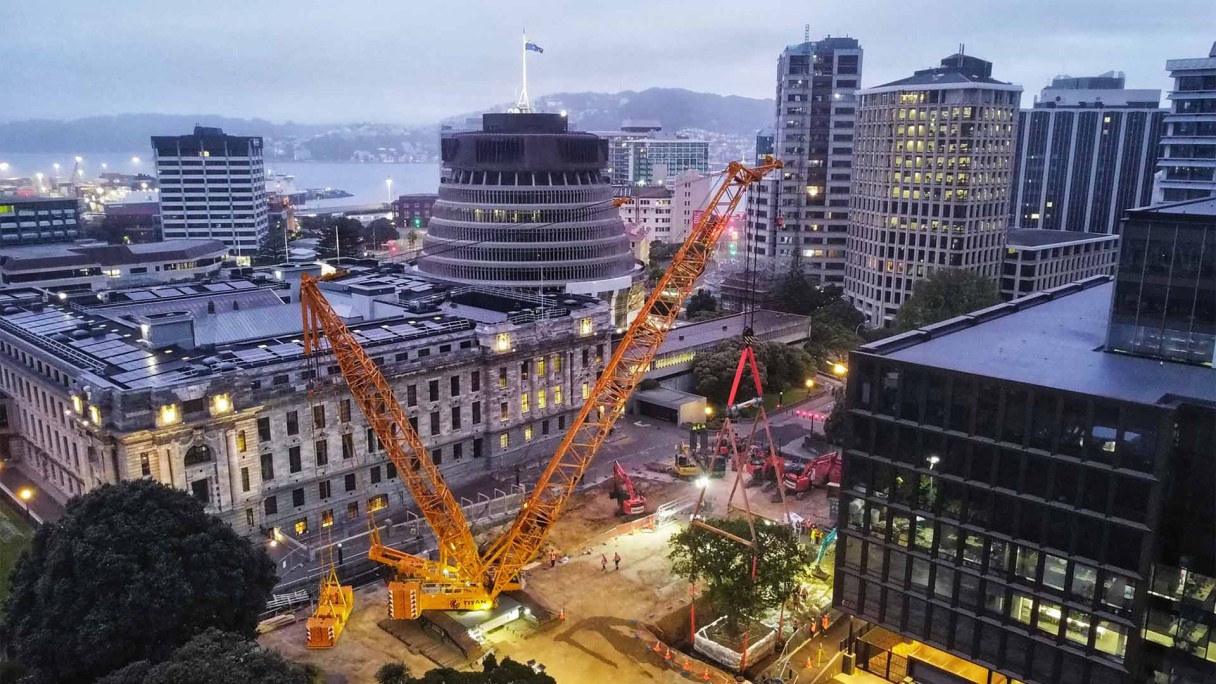
Heritage oak successfully relocated: LR 1500 in action
The Liebherr LR 1500 crawler crane from Australian crane contractor Titan Cranes played a key role in the relocation of a 170-year-old oak tree, the Heritage Oak of the New Zealand parliament. Due to the construction of a new building, the listed tree had to be moved by around 30 metres. The LR 1500 was the ideal choice for this demanding project, as the tree and its root ball weighed around 120 tonnes. The planning of the relocation was complex and required the expertise of specialists to ensure that the tree was not damaged during the lifting process. Thanks to the performance of the LR 1500 with derrick and suspended ballast, the tree was lifted and moved to its new location in a single lift. This reduced the time the tree was suspended in the air and minimised the risk of damage.
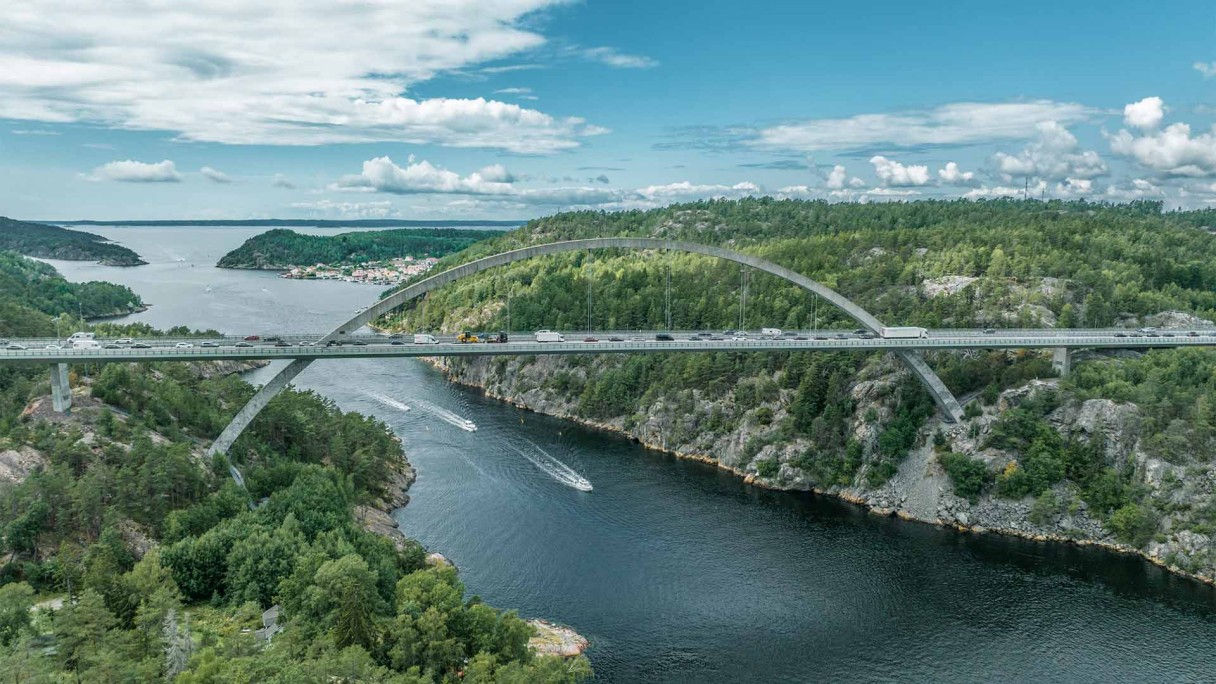
Impressive connection
Svinesund is a strait between Norway and Sweden. Two bridges connect the two Scandinavian countries there: The old, two-lane Svinesund bridge was put into operation in 1946 and can still be used by vehicles up to 3.5 tonnes. The new bridge was inaugurated in 2005. It has an impressive length of 704 metres and the road surface is 60 metres above sea level. The span width of the concrete central arch is 247 metres. The four-lane E6 motorway from Gothenburg to Oslo runs over the bridge. A Liebherr LR 1750 crawler crane was pushed to its limits during the assembly of several bridge segments.
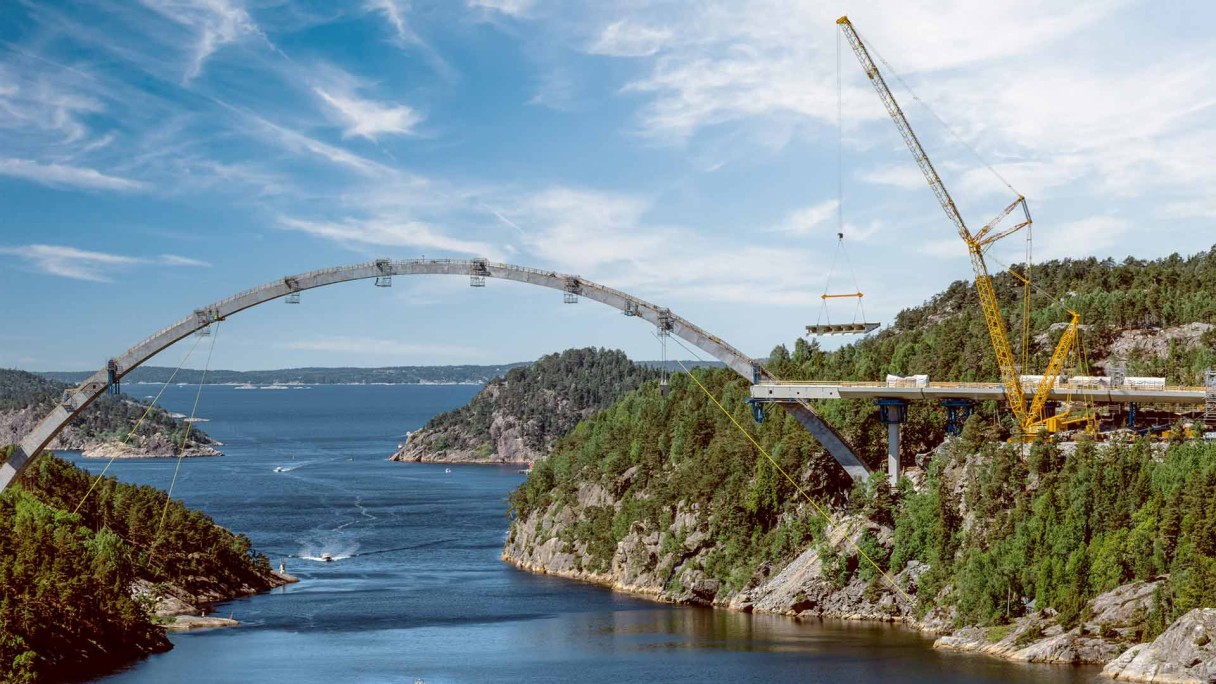
Bold bridge connection between Sweden and Norway
The new Svinesund bridge connects the two countries and is also used as a border crossing on the E6 motorway between Gothenburg and Oslo. A Liebherr LR 1750 crawler crane was used to assemble parts of the mighty bridge segments. For over two months, the crane provided its strength on the construction site at Idefjord.
Months earlier, platforms had been blasted out of the rocks on which the heavy-duty crane was to be positioned high above the fjord for its operation. On the Norwegian side of the new bridge structure, the crane stood on the steeply sloping cliff edge 45 metres above sea level. At this point, the machine also had to cope with the most demanding lifting operations in terms of load and radius. The set up configuration of the LR 1750 with its 49-metre main boom and 70-metre luffing jib offered an impressive sight.
But the pulled loads were also impressive. The steel bridge segments had a length of 26.5 metres, were six metres in width and four metres in height. The crawler crane had to lift a gross load of up to 80 tonnes and position it over the fjord with a radius of up to 90 metres.

New look for the Estadio Santiago Bernabéu
The Bernabéu stadium is one of the most famous football stadiums in the world and a landmark in the heart of Madrid. Santiago Bernabéu himself, who was first a player, then manager and finally president of Real Madrid, accomplished his lifelong dream with the stadium. He collected donations and was able to start construction work in 1944, during the Second World War. The stadium was then opened in 1947. From 2019 to 2024, it was completely redesigned to an ultra-modern arena. Over twenty mobile and crawler cranes from Liebherr were used in a team effort.
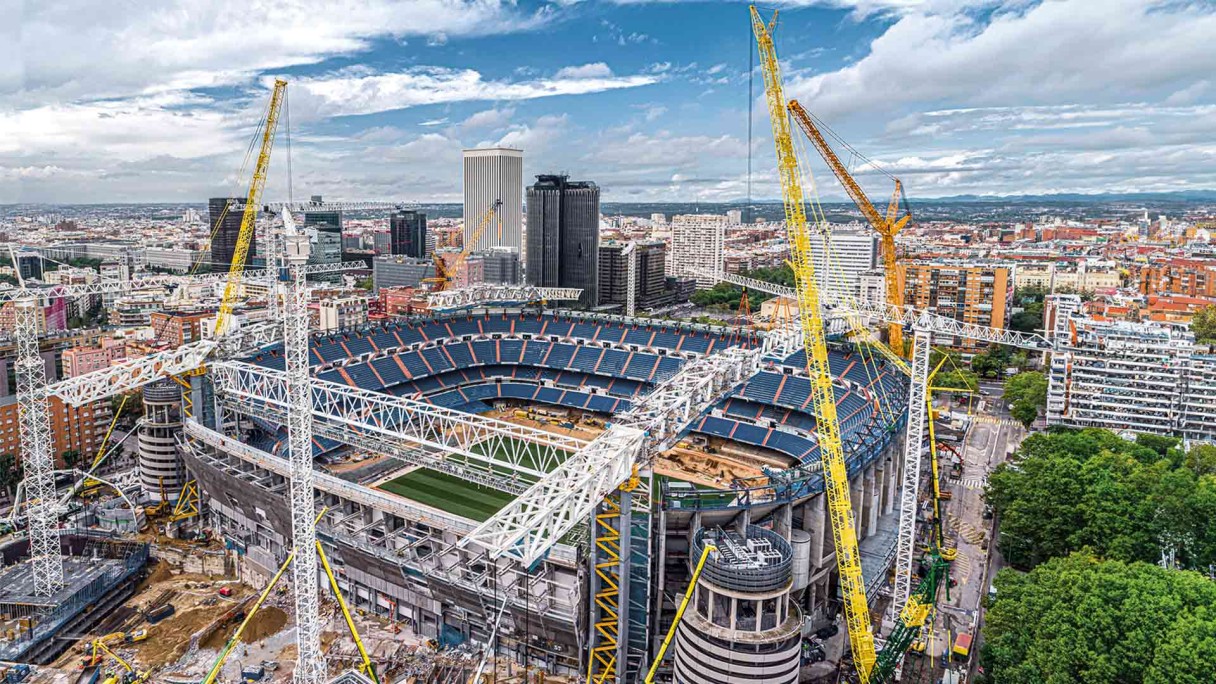
Team Liebherr plays for Real Madrid
After several renovations and extensions, the Santiago Bernabéu stadium, which is almost 80 years old, was completely redesigned in 2019: It now has an ultra-modern design with a hydraulically adjustable roof construction, retractable hybrid turf and new shopping, business and leisure functions. Today, LEDs can be used to illuminate the front in a wide range of scenarios in the evening hours. The stadium now has space for more than 78,000 spectators.
There were more than twenty Liebherr mobile and crawler cranes with lifting capacities from 40 to 1,200 tonnes on site. The crawler crane triple chain with an LR 1800-1.0 from Eurogruas 2000 and an LR 1600/2 and an LR 1600/2-W from Grúas Aguilar provided a particularly strong performance. These cranes were on site permanently from June to October 2020, performing a wide range of lifting operations.
The heavy loads, large radii and tight spaces next to the arterial road Paseo de la Castellana posed major challenges for the cranes and teams – which were overcome thanks to a cohesive team effort and a great deal of team spirit.
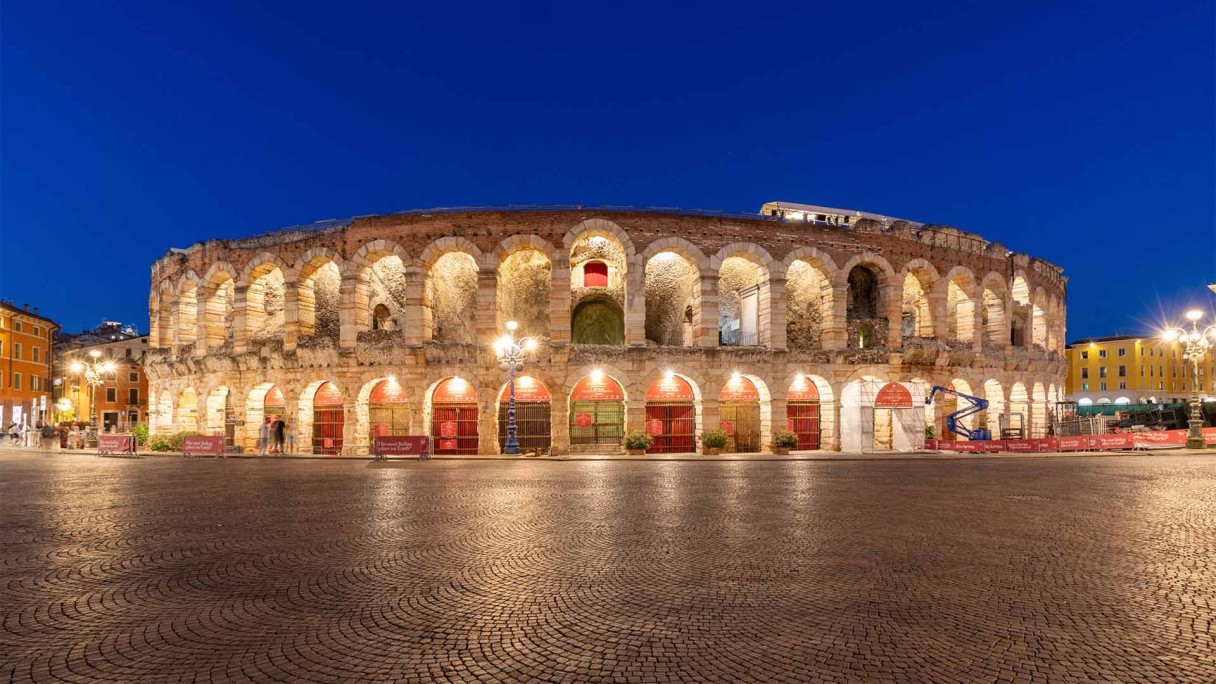
Today “Aida”, tomorrow “Carmen”
The Arena of Verona is the best-preserved Roman amphitheatre in the world. It was built in the first century AD to host gladiator games and contests. With a height of around 24 metres, the opera circular is the largest surviving ancient amphitheatre after the Colosseum in Rome and the Oval of Capua. With its excellent acoustics, the arena has established itself as a concert venue – from opera to rock. Since 1913, the famous Verdi opera “Aida” alone has been performed on more than 670 evenings. In 2019, an MK 140 ensured that the season could take place without any problems.
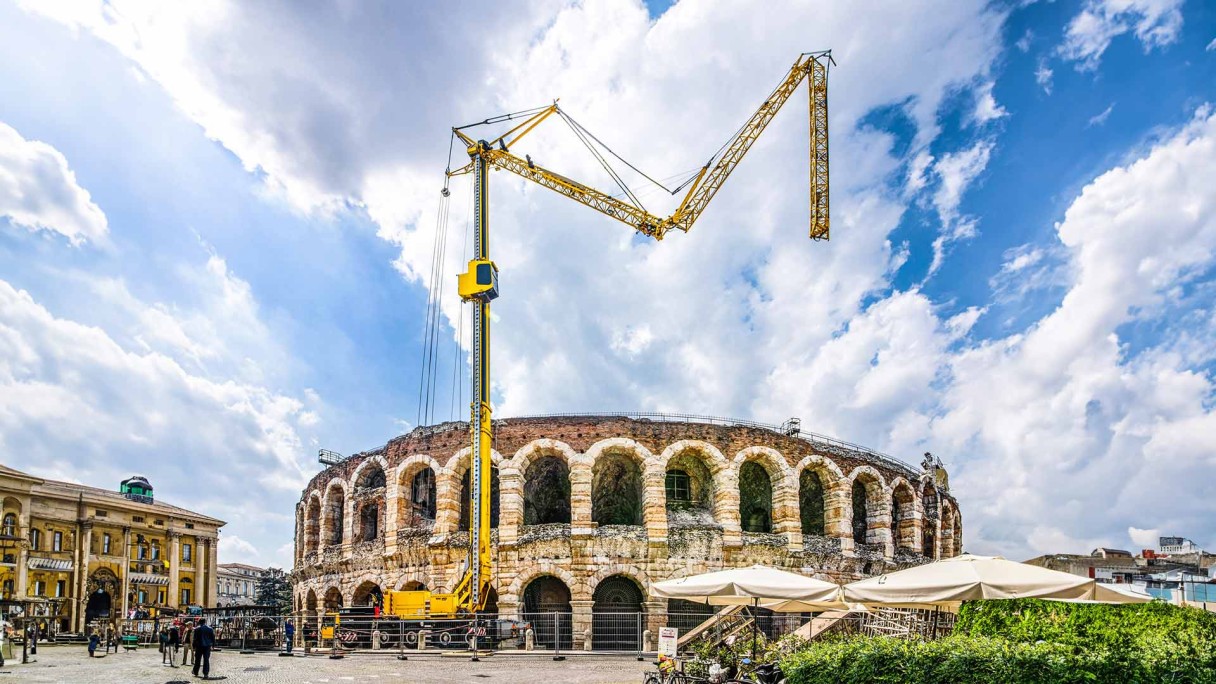
Secret star of the Arena of Verona
In the 2019 season, a fully electrically powered MK 140 mobile construction crane enabled the stage sets in the world-famous amphitheatre in the northern Italian city to be changed quietly and rapidly. This unusual assignment was awarded to the southern German crane and heavy haulage company Schmidbauer.
The 60-tonne machine played an extraordinary role behind the scenes. The crane from Munich was largely responsible for making the concert and opera season a success. With the Liebherr MK 140, the elements of the stage sets were swiftly changed – on one evening the column portals for “La Traviata”, on the next mighty towers for “Il Trovatore”, the Troubadour.
During the season, up to 22,000 spectators a day were able to view the professional work of the team and the crane for themselves.