Gear technology and automation systems

LGG 300 - 500 / 700 M

The allrounder.
Highlights

  • Machine length - 3,500 mm

  • Machine width - 2,700 mm

  • Machine height - 4,000 mm

  • Workpiece diameter - 300 - 700 mm

  • Axial travel - 1,000 mm

  • Shift distance - 230 - 350 mm

  • Min. position above table - 60 mm

  • Grinding head swivel angle - 45 °

  • Workpiece speed - 1,000 min-1

Flexibility
Technological diversity
Powerful

Machine design

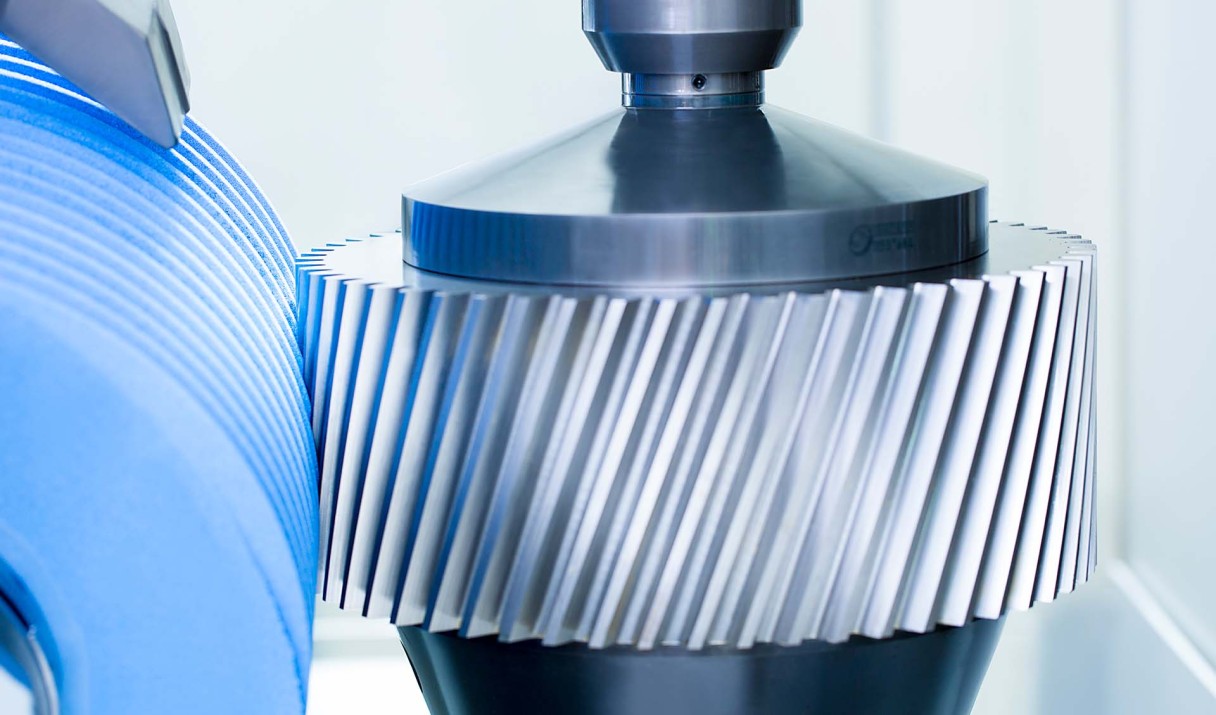
Generating grinding, profile grinding and internal grinding in one machine

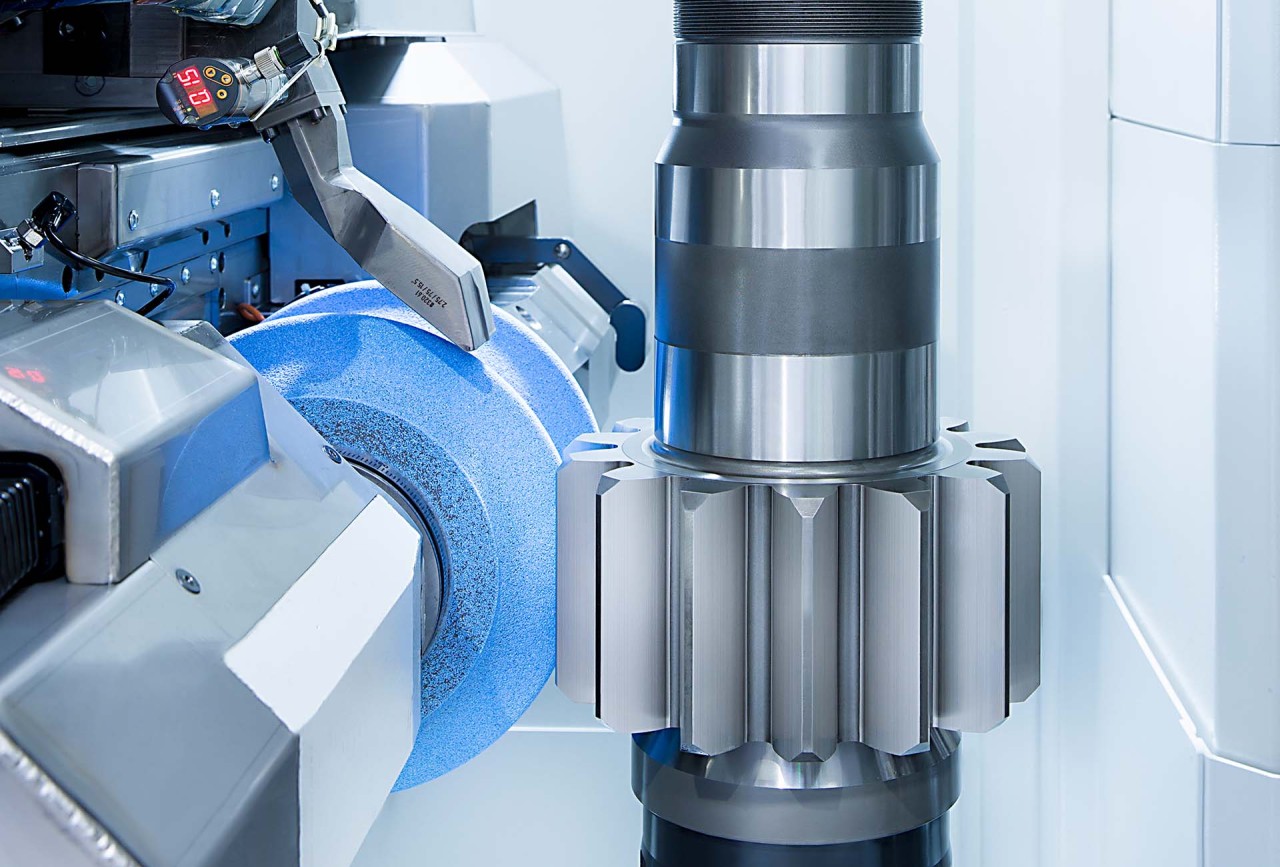
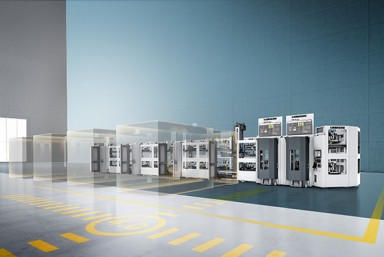
Flexibility is essential for job shops and small lot sizes. The new LGG series has been specially designed for universal use, as well as for large series production. It combines three technologies: Generating grinding, profile grinding and internal grinding. This technological diversity provides the universal user with maximum benefit and a secure investment for the future.

This machine can be configured for individual applications, so it is perfect for use in the production of large batches. This is where external automation systems such as a plastic chain conveyor or a robot system are used.

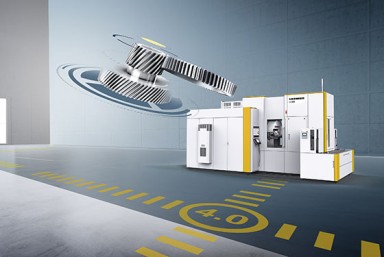
The LGG is the most powerful generating and profile grinding machine of its class on the market. With the new GH 320 CB grinding head, it is now also possible to efficiently grind superior quality workpieces up to module 14. The LGG 700 M is a manual gear grinding machine that can grind workpieces up to 500 mm (generating) and up to 700 mm for profile grinding.

X1 - radial movement of column slide | V1 - tangential movement of tool | Z1 - axial travel of grinding head | B1 - rotary movement of tool | C2 - rotary movement of workpiece | A1 - swivel movement of tool | Z4 - vertical travel of steady column | C3 - rotary movement of ringloader

01/02

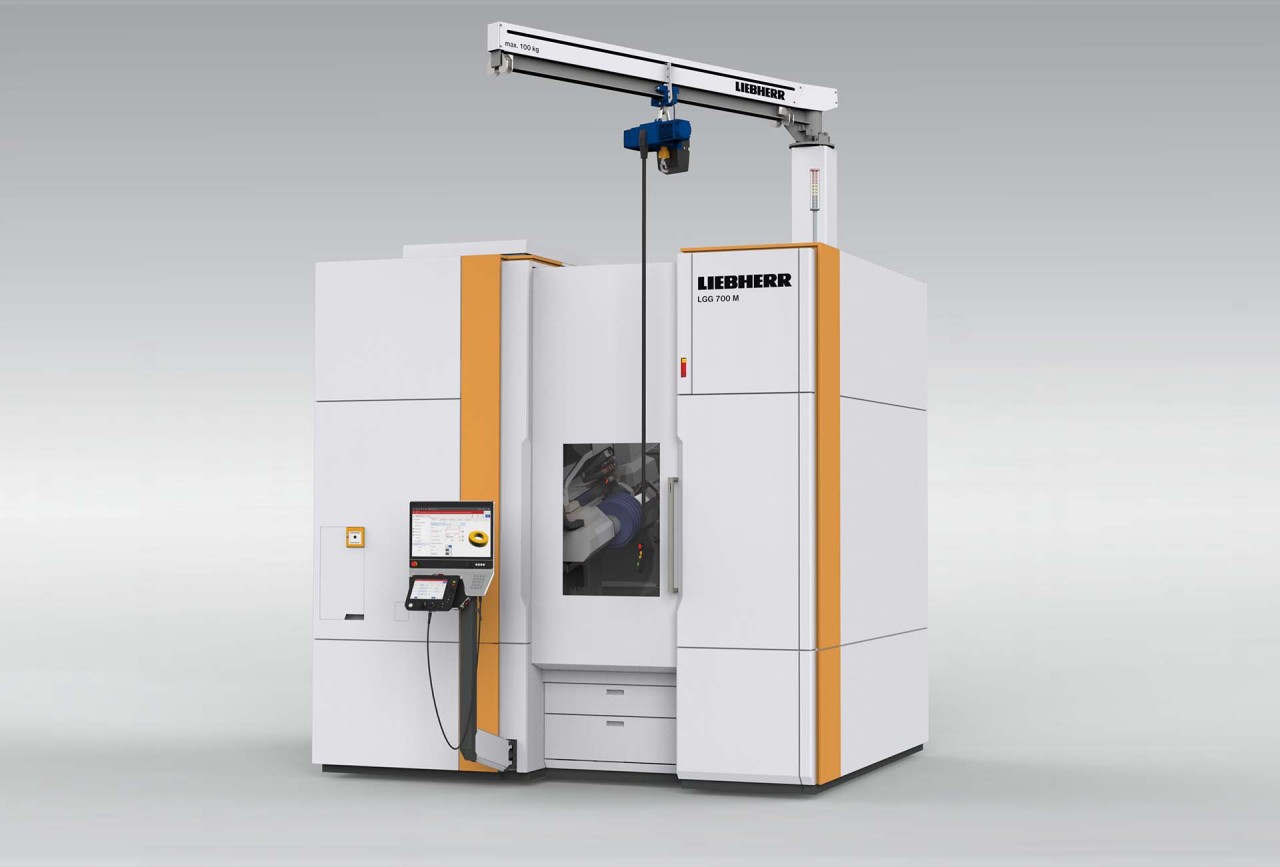
LGG 700 M

Liebherr also offers a manual generating and profile grinding machine for small batch sizes and outstanding flexibility.

  • Generating grinding max. workpiece diameter (mm): 500
  • Profile grinding max. workpiece diameter (mm): 700

The machine is exclusively loaded manually. A handling device (crane) mounted on the machine roof and an NC-swiveling tailstock make manual loading much more simple.

External and internal grinding heads

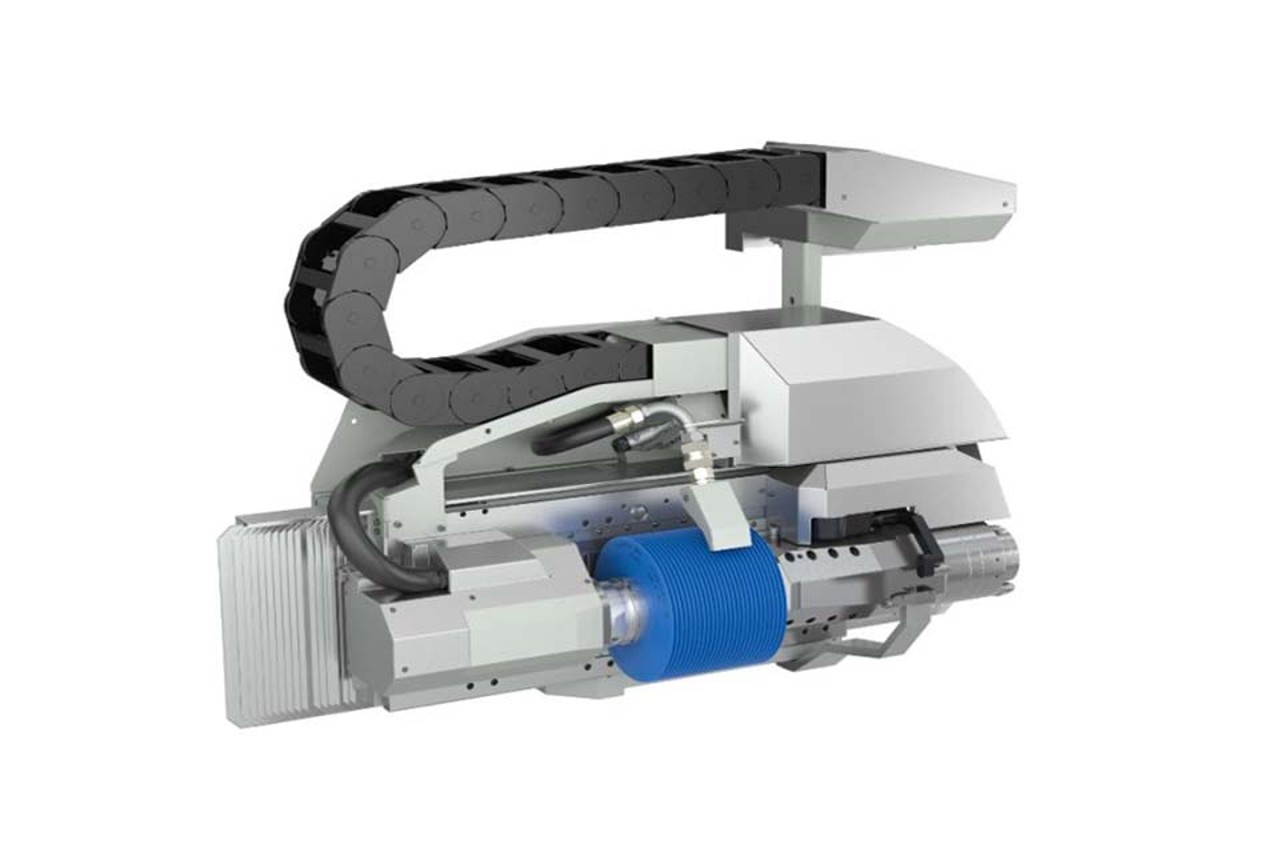
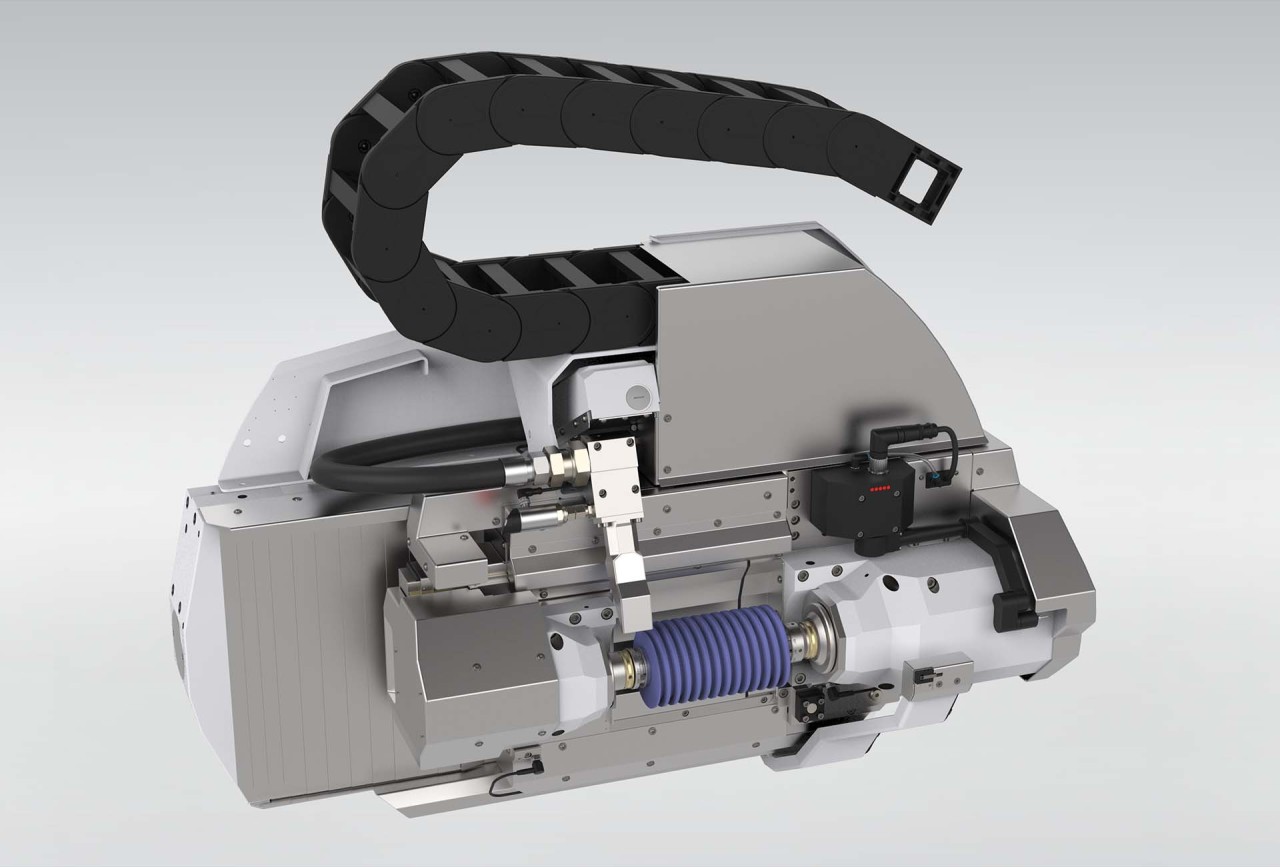
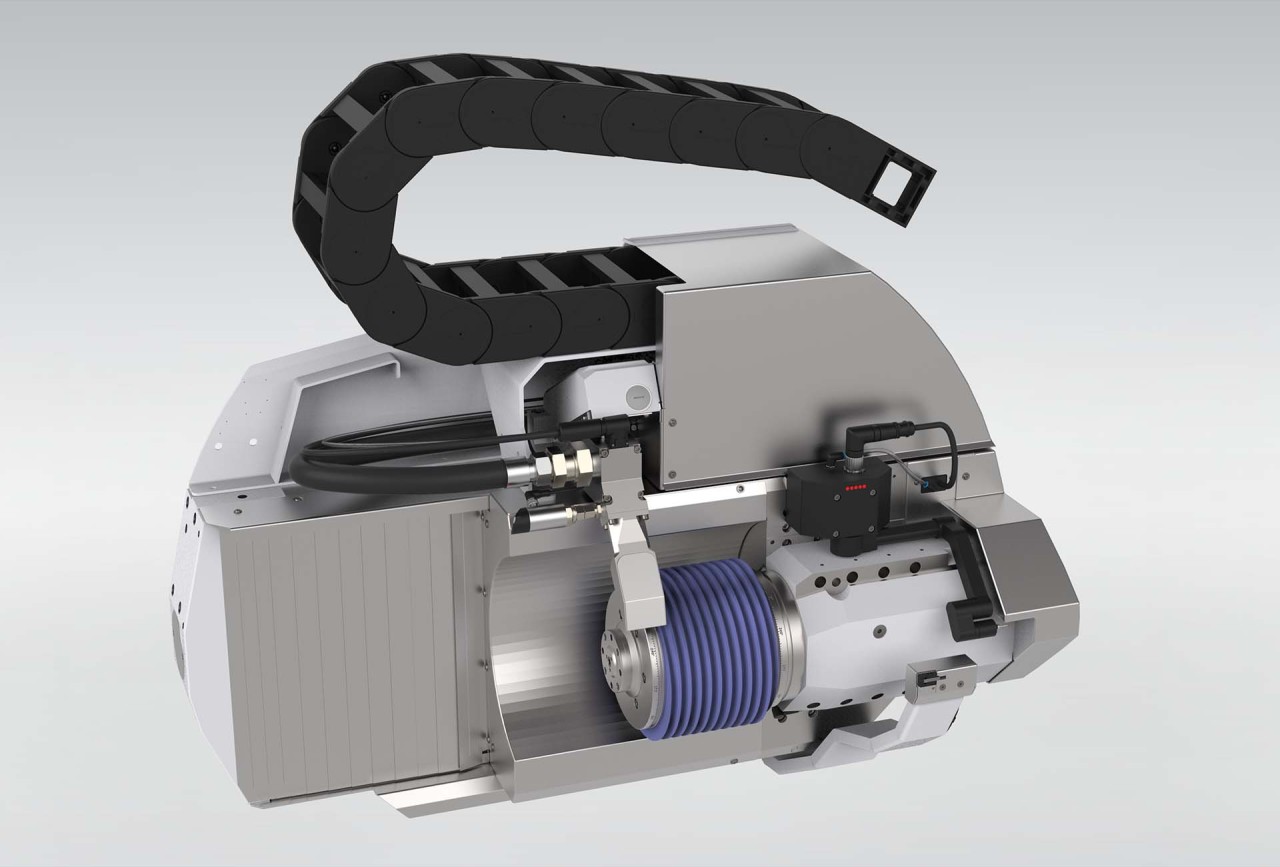
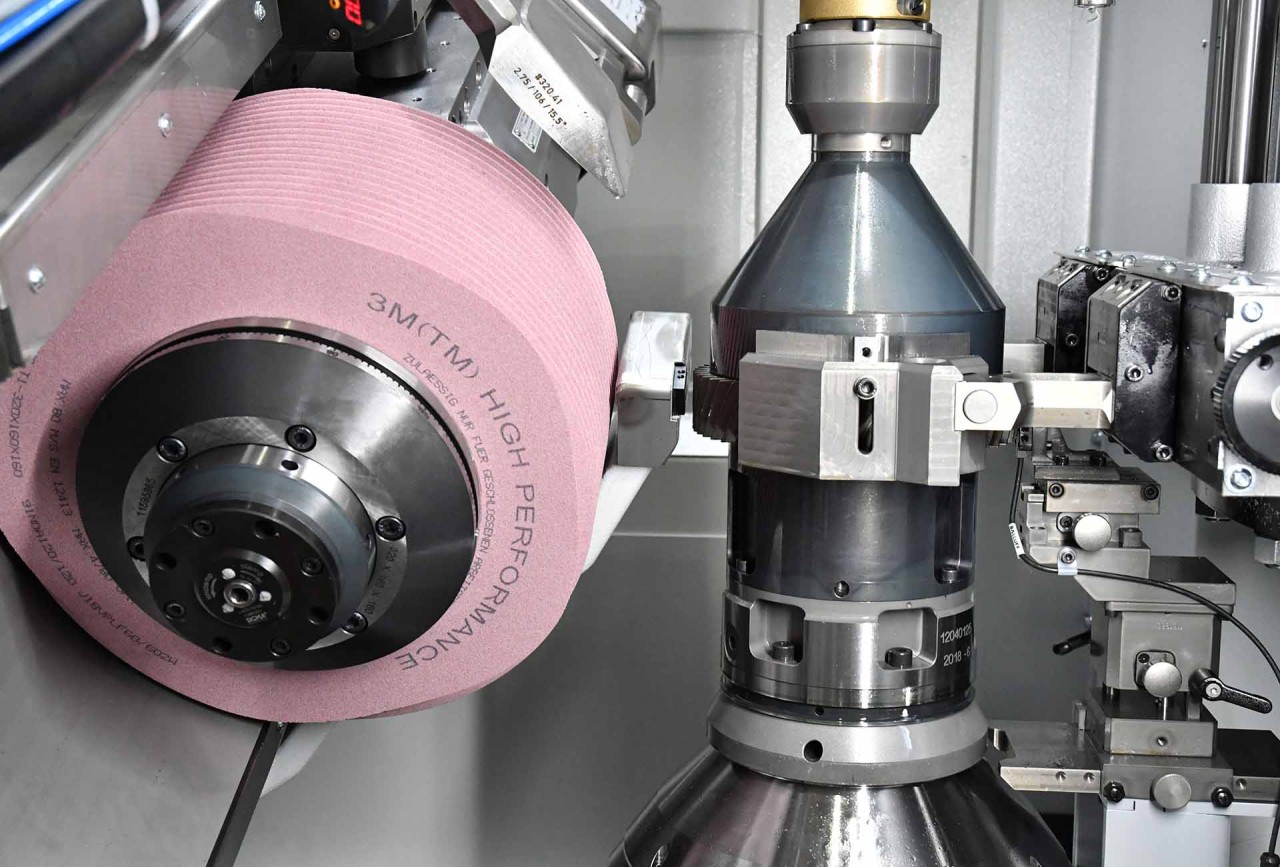
Process-optimized external grinding heads and internal grinding arms are available for the LGG. Balancing systems inside the spindle are used in both external grinding heads (GH 320 and GH 240 CB). On the GH 320 CB, the balancing system is integrated in the arbor.

High drive power and speeds are major advantages – for example, when using new grinding materials. The modern tool holding makes it possible to replace the grinding arbor quickly and easily.

Small grinding tool diameters are available for collision-critical workpieces and for special tooth corrections.

With the GH 320 CB grinding head, it is now also possible to efficiently grind optimal-quality workpieces up to module 14 mm.
GH 240 / 200 CB
Technical data GH 240 CB

Speed (rpm): 12,000
Grinding spindle drive power (kW): 28.5
Max. grindable module generating grinding (mm): 7
Max. grindable module profile grinding (mm): 14
Electro-plated CBN tools: Yes
Dimensions of grinding worm: (DxLxW): 240x200x76.2

Technical data GH 200 CB

Speed (rpm): 17,000
Grinding spindle drive power (kW): 28.5
Max. grindable module generating grinding (mm): 5
Max. grindable module profile grinding (mm): 14
Electro-plated CBN tools: Yes
Dimensions of grinding worm: (DxLxW): 240x200x40 (76.2)

GH 320

Speed (rpm): 7000
Grinding spindle drive power (kW): 28.5
Max. grindable module generating grinding (mm): 9
Max. grindable module profile grinding (mm): 14
Dimensions of grinding worm (DxLxW) (mm): 275(320)x160x160

GH 320 CB

Drive power (kW): 28.5
Speed (rpm): 10,000
Max. cutting speed (m/s): 80
Max. grindable module generating grinding (mm): 14
Max. grindable module profile grinding (mm): 14
Max. shift distance (mm): 350
Dimensions of grinding worm (DxLxW) (mm): 320x250x110
Feature: Internal grinding arms are available for all grinding heads.

Can be used with LGG 300, LGG 380, LGG 500 and LGG 700 M

Fast and easy changeover

The adaptable internal grinding arms can be mounted quickly and easily on the external grinding head and are driven using the main drive. Other grinding heads can be provided on request.

In only 30minutes from external to internal grinding

Video

Generating grinding planetary gears, module 14, on the LGG 500 generating and profile grinding machine

Inline process monitoring
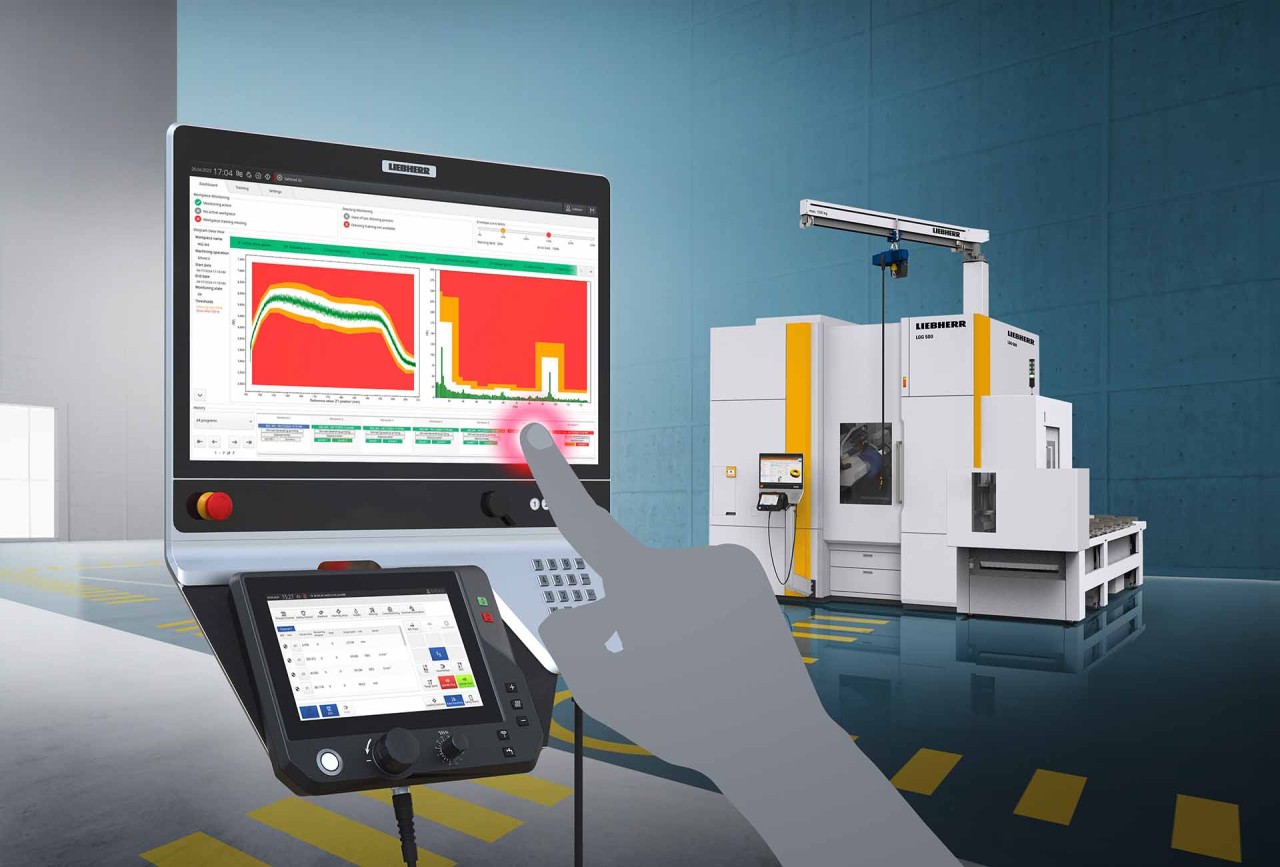
Automated process monitoring
Our software continuously monitors the entire grinding and dressing process in real time. You no longer need to worry about human errors or undetected anomalies. The software immediately recognizes when a parameter exceeds the set limits.

Intelligent limit adjustment

The software uses a smart learning process to determine the optimal limit values for your processes. Using the data recorded while manufacturing the training workpieces and by detailed measurements in the quality lab, the software ensures that the limits are precisely tailored to your specific workpiece and process requirements.

Color coding and automated response

If a workpiece exceeds the predefined limits, it is colorcoded in the software as an immediate visual indication of a limit violation. You can also respond to these detected anomalies with preconfigured machine actions.

01/03

On-board inspection: Gear check in the machine
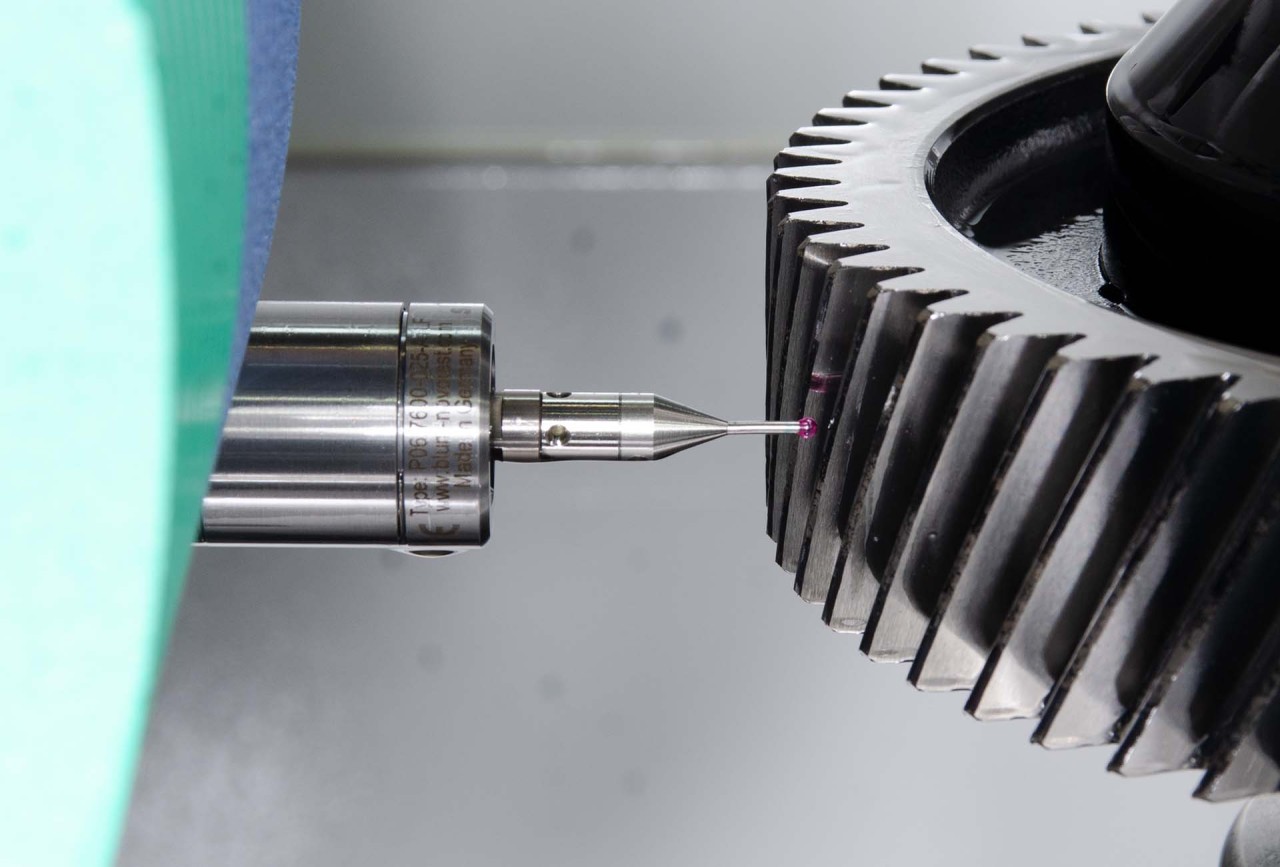
All grinding heads can be equipped with an optional swivel-in probe for gear checks. A gear check in the machine is optionally available. The quality of components can be checked at regular intervals. You also do not have to wait for results from the measuring room when replacing the tool or fitting a new part.

Gear measurement

  • Profile and tooth trace
  • Concentricity, single and cumulative pitch
  • Twist check
  • Measuring system for grinding stock removal
  • Rolling measurement
  • Determining dimension measurement

Mobile or stationary meshing sensor

Technology
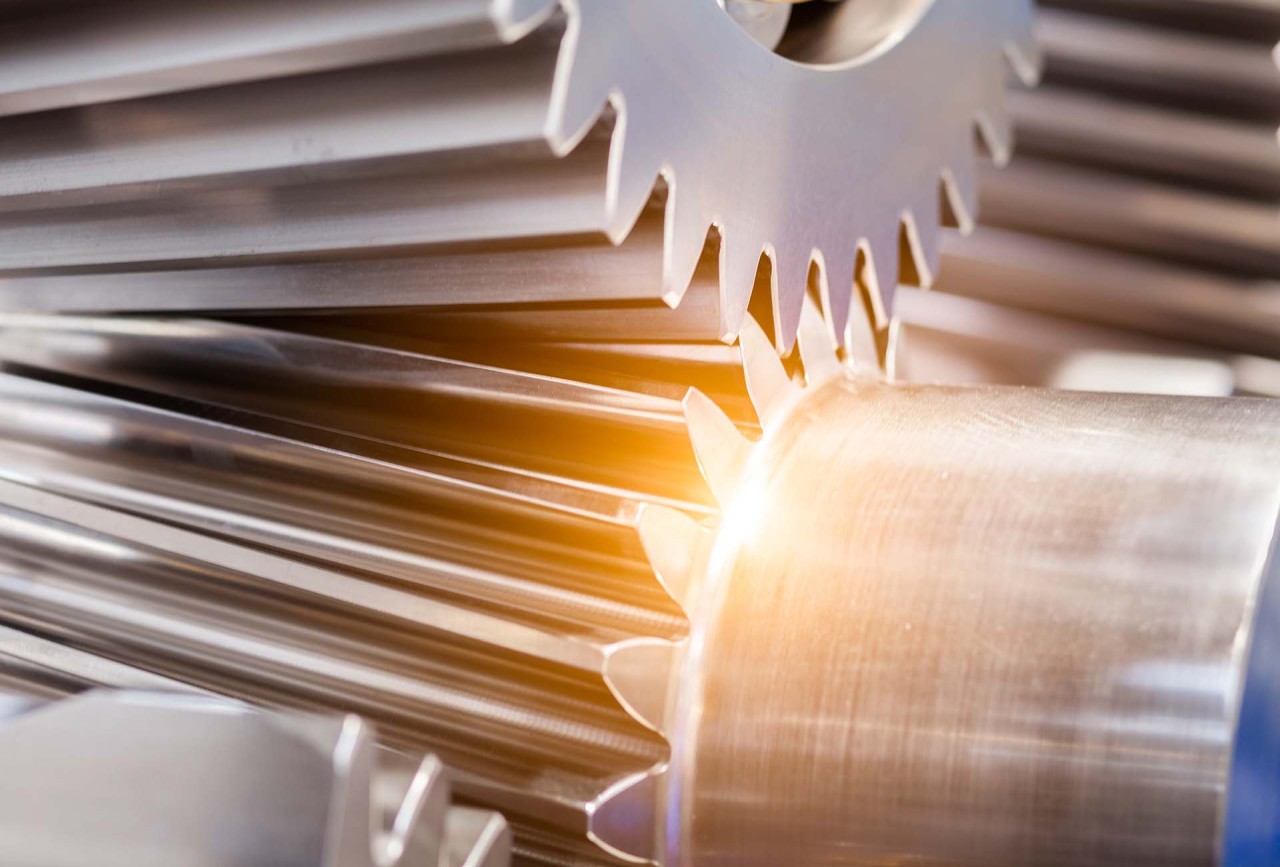
Prepared for the future
Type of gears

  • Asymmetric profile
  • Beveloid gears
  • Double helical gears
  • Cycloidal gears

Gear modification

  • Profile and lead modification
  • Free flank form

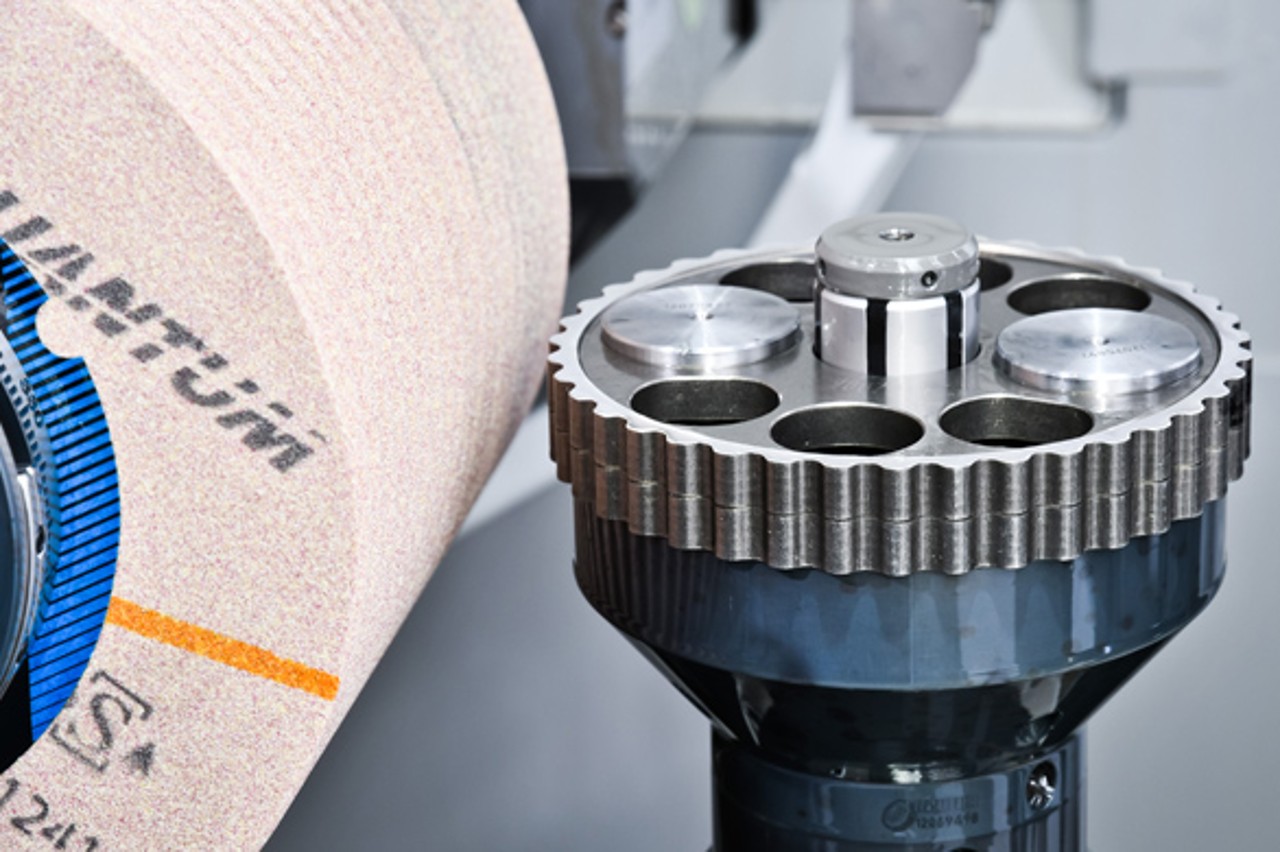
Cycloidal gears

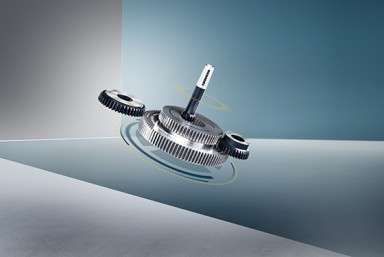
For cycloidal drives, certain requirements must be met, such as dimensional precision, a high-quality surface, an excellent profile and pitch as well as rollers that fit perfectly to the inner ring. Liebherr has developed something new for cycloidal gears: Now, cam disks with an external gear can be produced via generating grinding using not only single but also perfectly adapted double clamping. Depending on the individual batch-size requirements, which means that besides conventional profile grinding, an additional grinding method for cam disks is now available to users.

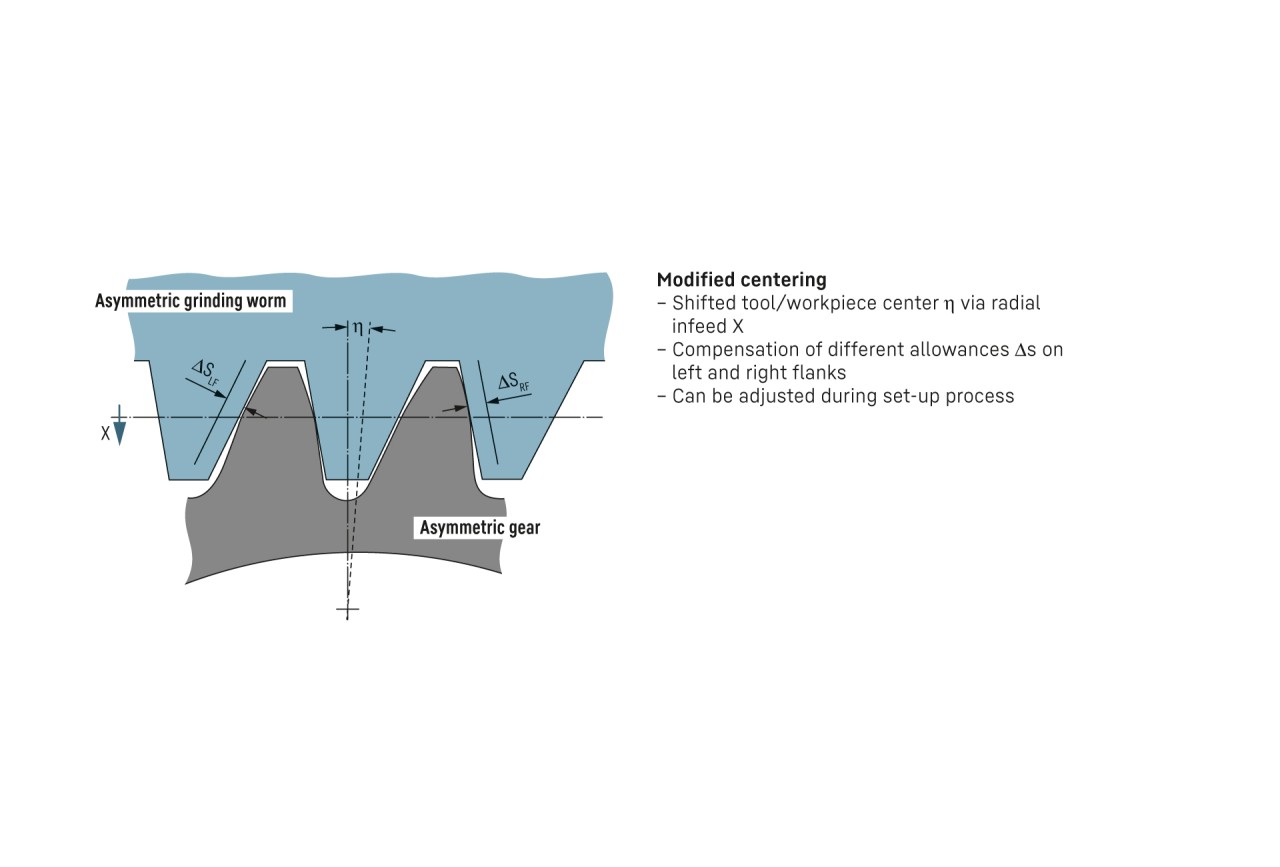
Generating grinding asymmetric gears

Asymmetric gears compensate for unequally distributed loads.

The advantages of asymmetric gears are obvious:

  • Reduced tooth root clamping forces and Hertzian flank stresses
  • Improved specific sliding
  • Increased surface durability and tooth root strength
  • Increased power density (load capacity in relation to gear size)
  • Longer service life
  • Increased efficiency
  • Reduced noise and vibration excitation
  • Increased operational reliability

Requirements when generating grinding asymmetric gears

Machine technology:

  • Centering of the dresser/grinding worm
  • Centering of the asymmetric grinding worm/workpiece
  • Initial profiling and tracking of the asymmetric profile at every dressing cycle
  • Precise control technology for dynamic tooth flank contact sequences

Technology:

  • Coordination of dressing and grinding parameters
  • Selection of appropriate grinding worm specifications
01/02

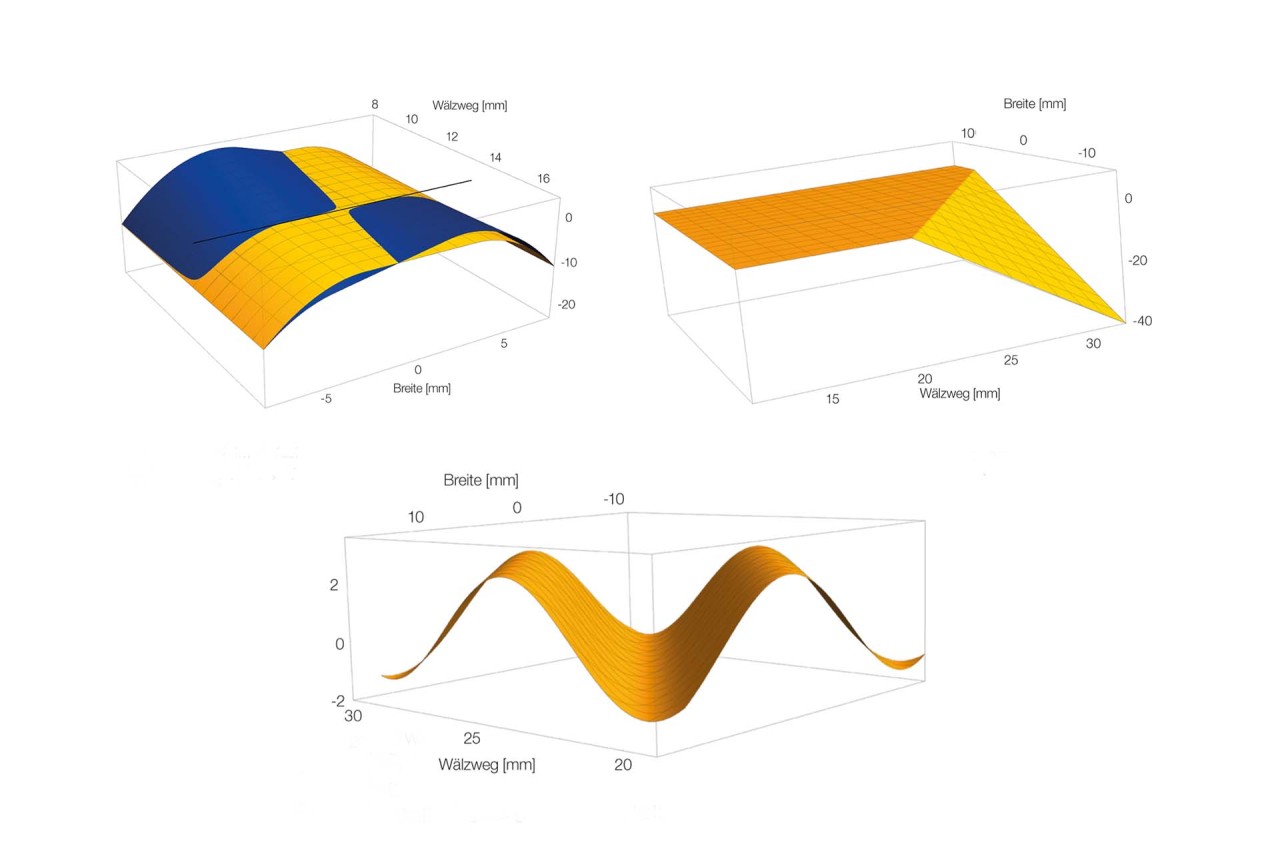
Topological modifications

  • TF twist-free grinding
  • DFT deviation-free topological grinding
  • GER generated triangle-shaped end relief

Modifications for noise reduction

  • SSG noise-reduction shift strategy
  • NEO noise excitation-optimized modifications

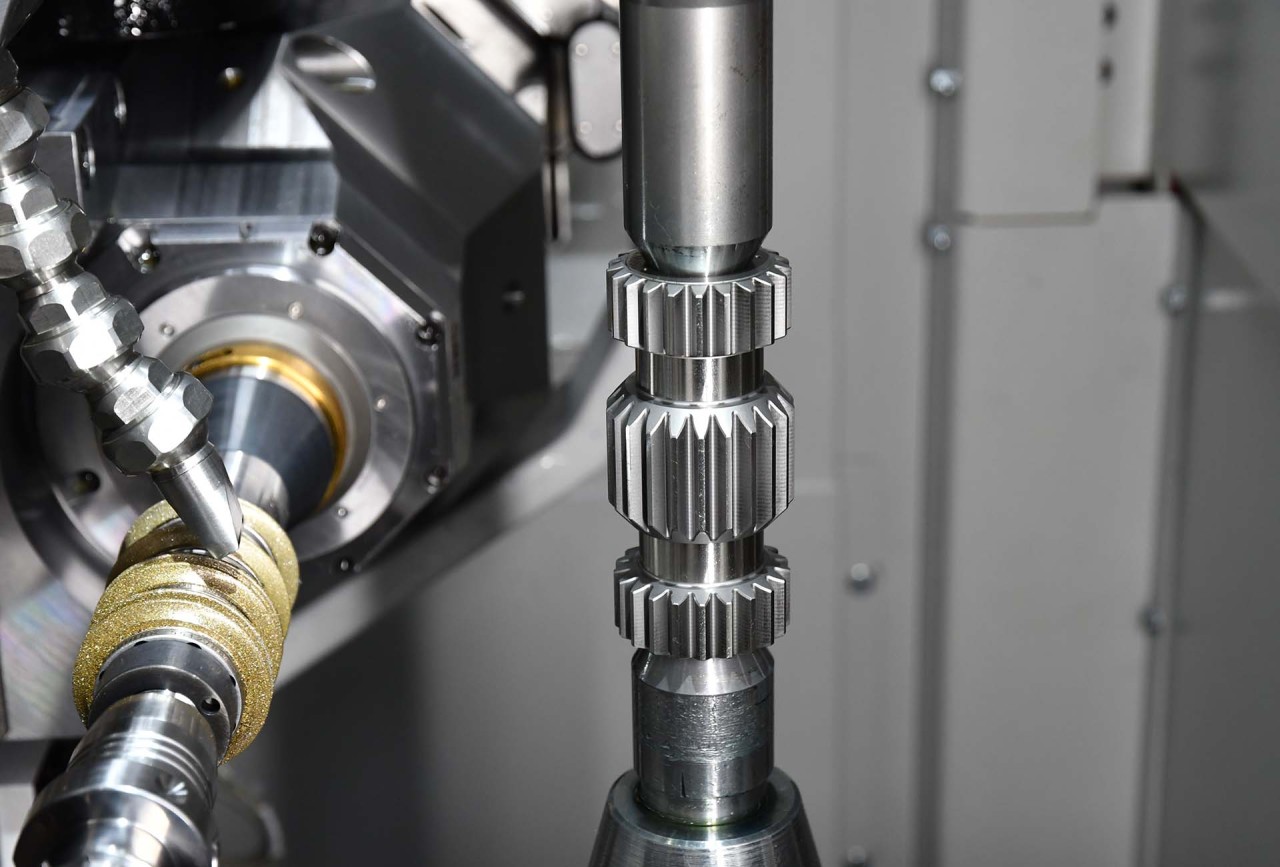
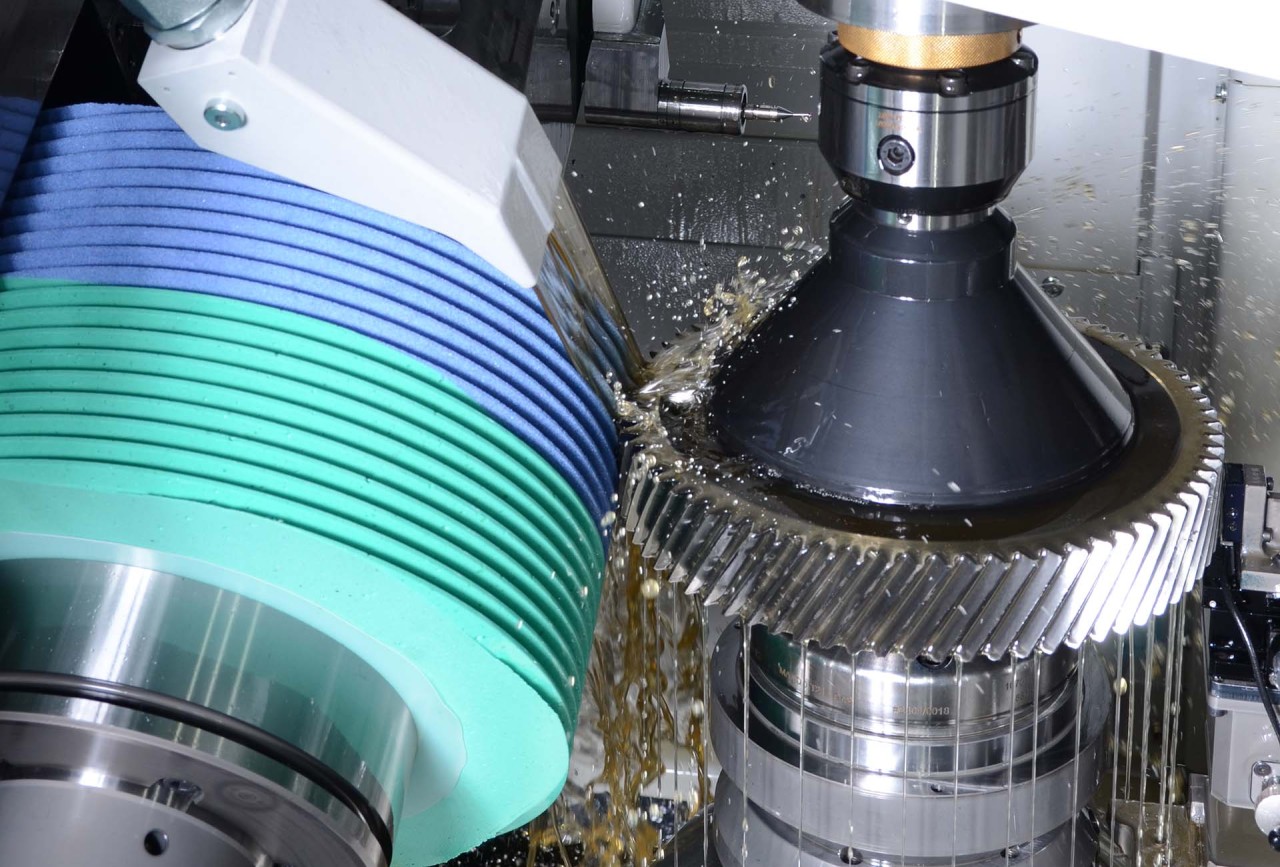
Generating grinding with small tools

Finishing grinding or polishing
Why modified and/or super-finished leads?
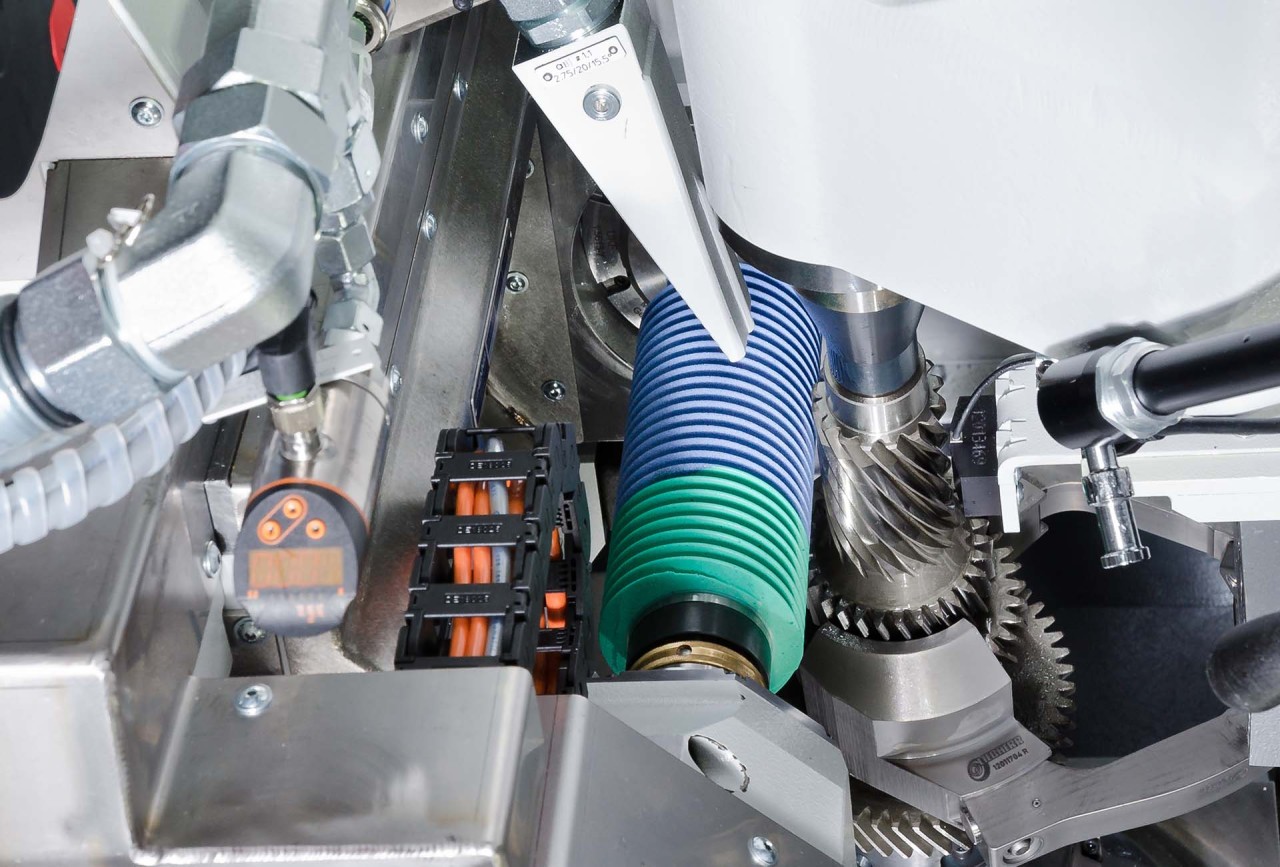
Motivation:

  • Improved wear behavior
  • Reduction of friction losses
  • Increased flank and tooth root strength
  • Increased efficiency
  • Longer service life (gear and gearbox)

Our solution: Finish grinding or polishing

Lower surface roughness can be achieved with finish grinding or polishing. This increases the power density and gear efficiency.

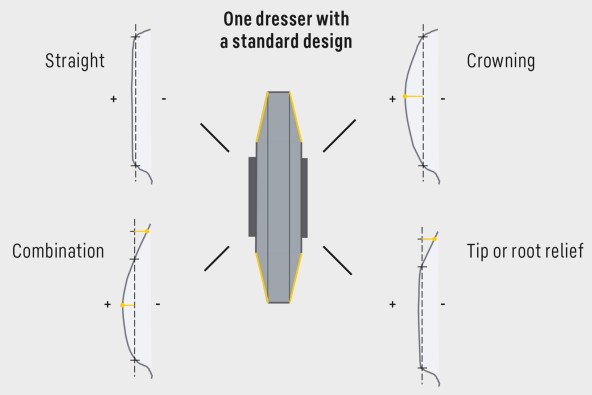
DIP – Dresser independent profile modifications

DIP is a versatile generating grinding method specially developed by Liebherr that uses dressable grinding worms. It allows profile modification on the workpiece when using profile rolls in the dressing process. In particular, profile angle modifications, crowning, as well as tip and root reliefs can be precisely specified and ground. It offers the advantage that using profile rolls makes the dressing process many times faster, and the surface of the worm is the same as for typical series production.

Asymmetric gears

The main advantage of asymmetric gears is the reduction of contact stress on the drive flanks. This increases power density. Moreover, targeted tuning of the asymmetric profiles can significantly reduce vibrations, which in turn leads to less noise from the gearbox. Liebherr’s Modified Centering ensures the same stock is ground despite the asymmetry on both tooth flanks, making the process as efficient as with normal gears.

01/02

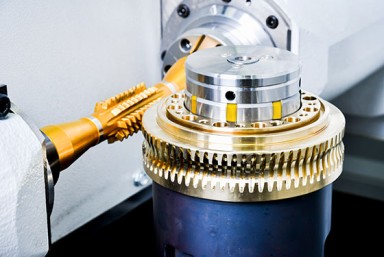
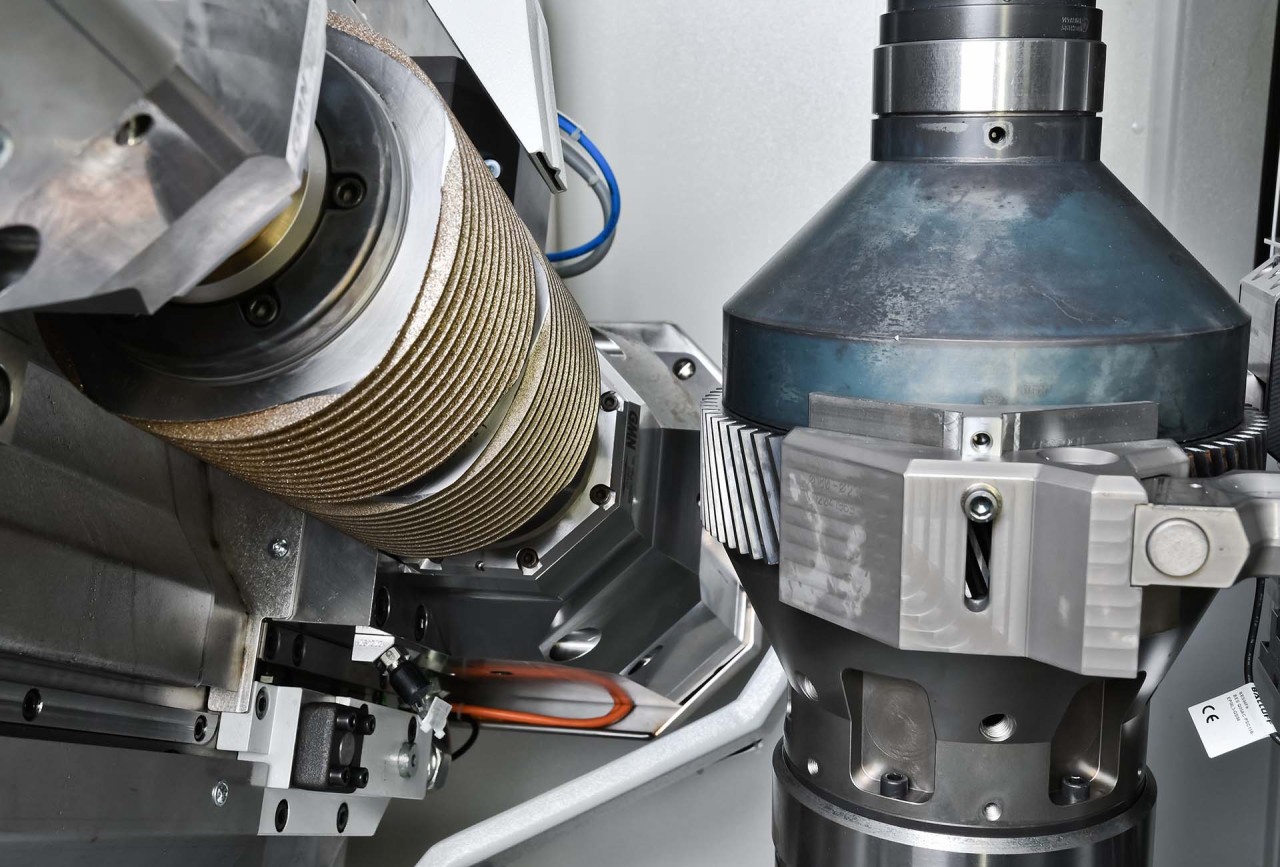
Generating or profile grinding with dressing-free CBN
CBN generating grinding
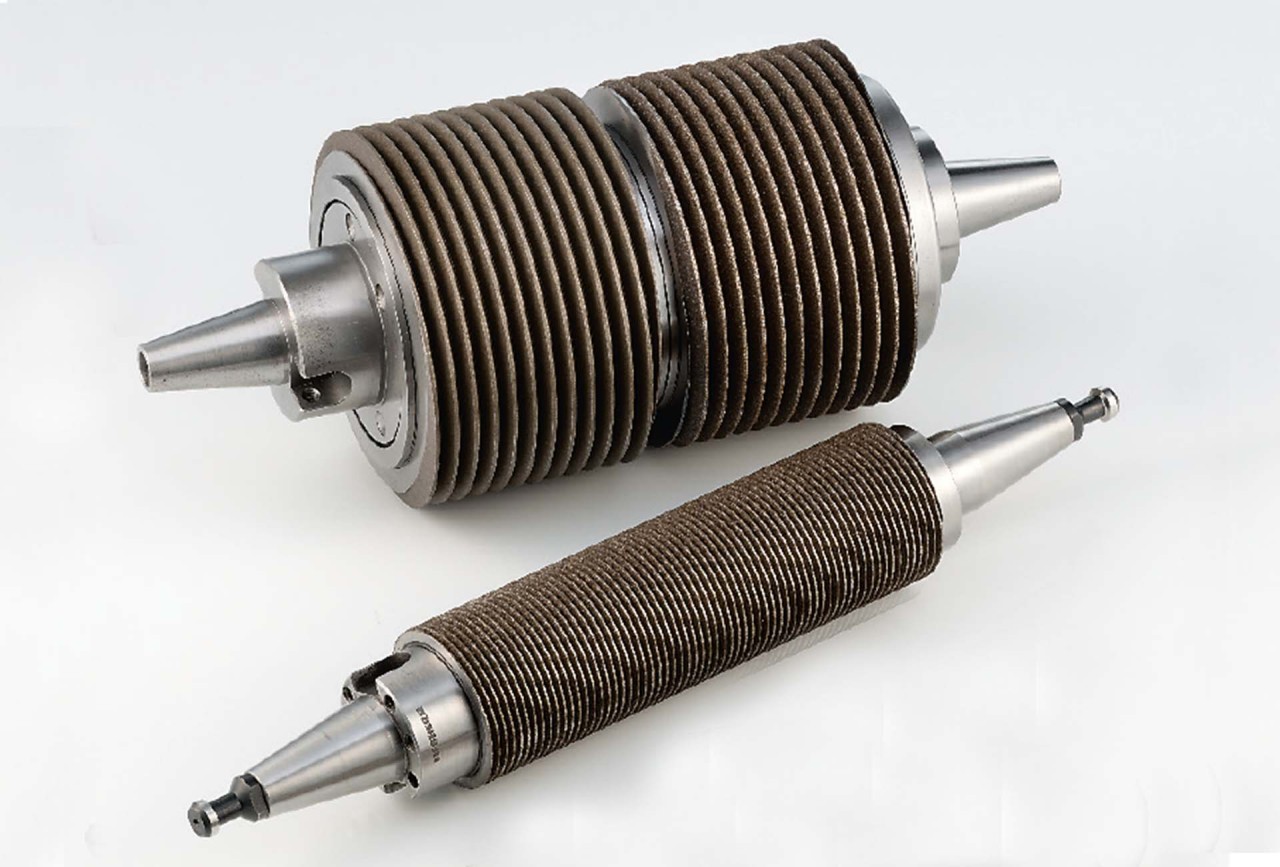
  • Short machining times (two-cut strategy)
  • No dressing required
  • Very low risk of grinding burn (short contact time, good thermal conductivity of CBN and steel basic body)
  • Universal tool design
  • Very long tool life
  • Robust process with high process stability
  • Module range 1.0 - 5.0mm
  • External gears with a high toothed length
  • Large batches, perfect for three-shift operation
  • Mono worm and rough-and-finish combination
  • Available in various dimensions:
    Diameter 60 /140 / 170mm
    Width 2x 96 / 140 / 200mm
  • Tool design:
    Steel basic body, mono-layer CBN coating
    Can be re-coated 10-15 times
    Metallic, nickel-based bond
  • Standard CBN grain sizes:
    B76 and B91 for finishing
    B251 for roughing
01/02

CBN profile grinding

  • Very high profile quality
  • Pressure angle can be corrected by CNC (A, V and X axes)
  • Long tool life
  • Grinding of non-generating profiles and complex geometries
  • Module range 1.0 - 8.0mm
  • External and internal gears
  • Collision-critical gears (discs Ø < 30mm)
  • Small and medium-sized batches

Integrated centrifugal device

Automation

Easy to operate
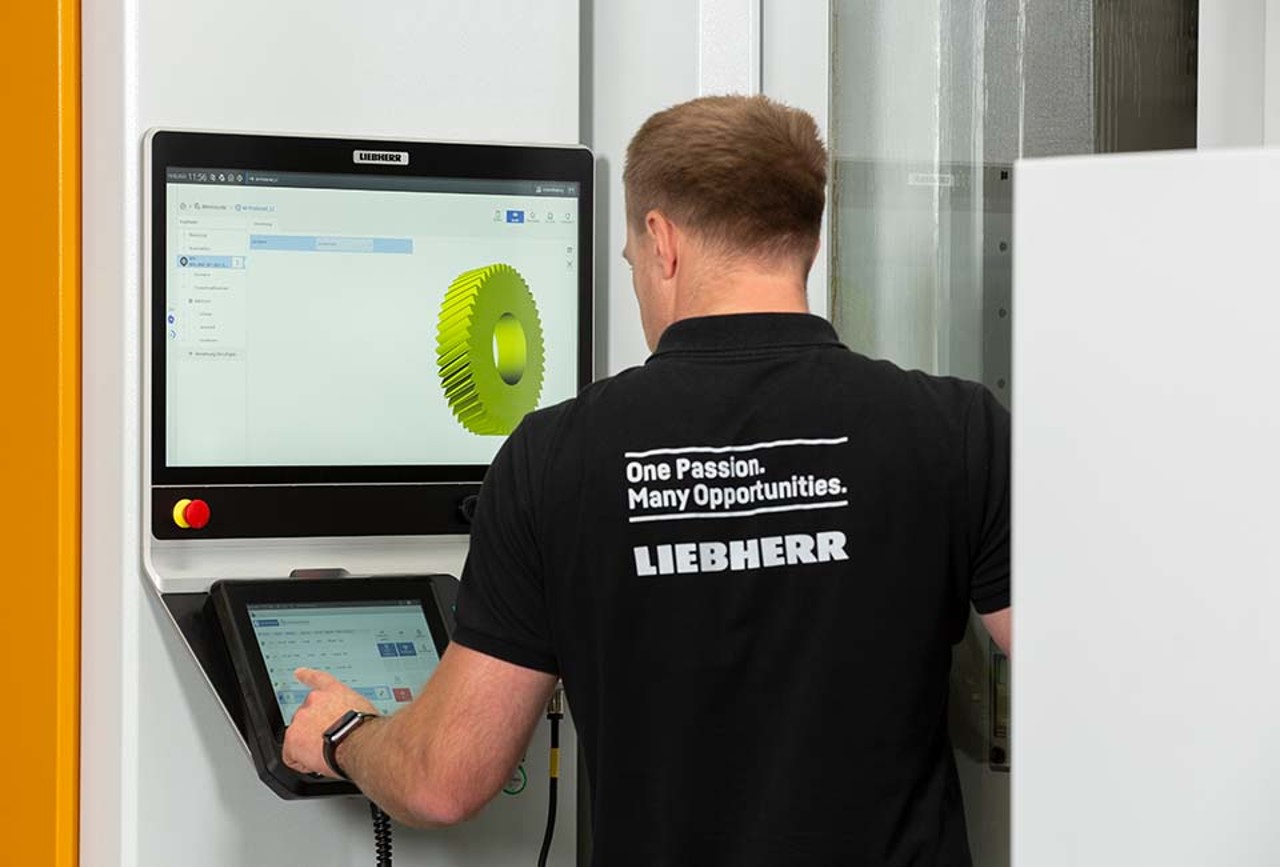
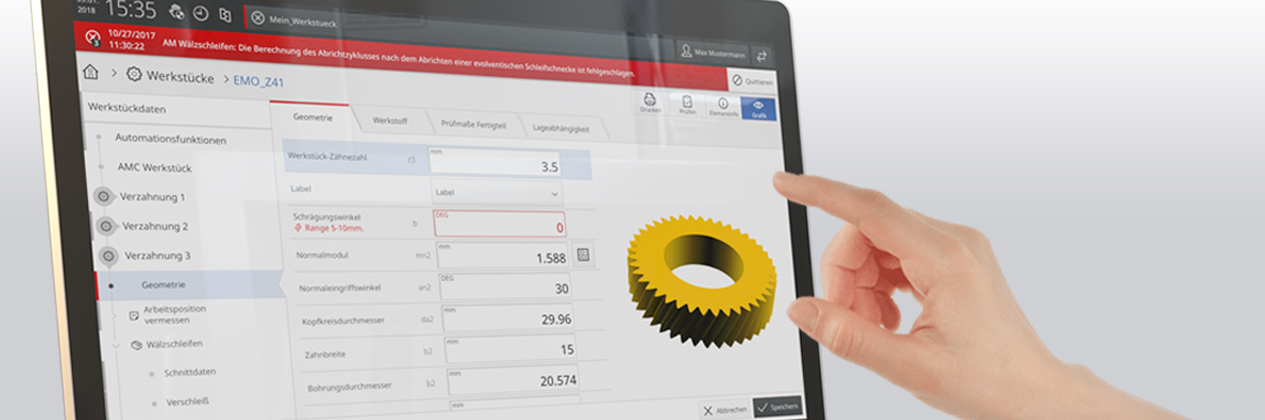
The new optimized control panel LHStation & LHMobile
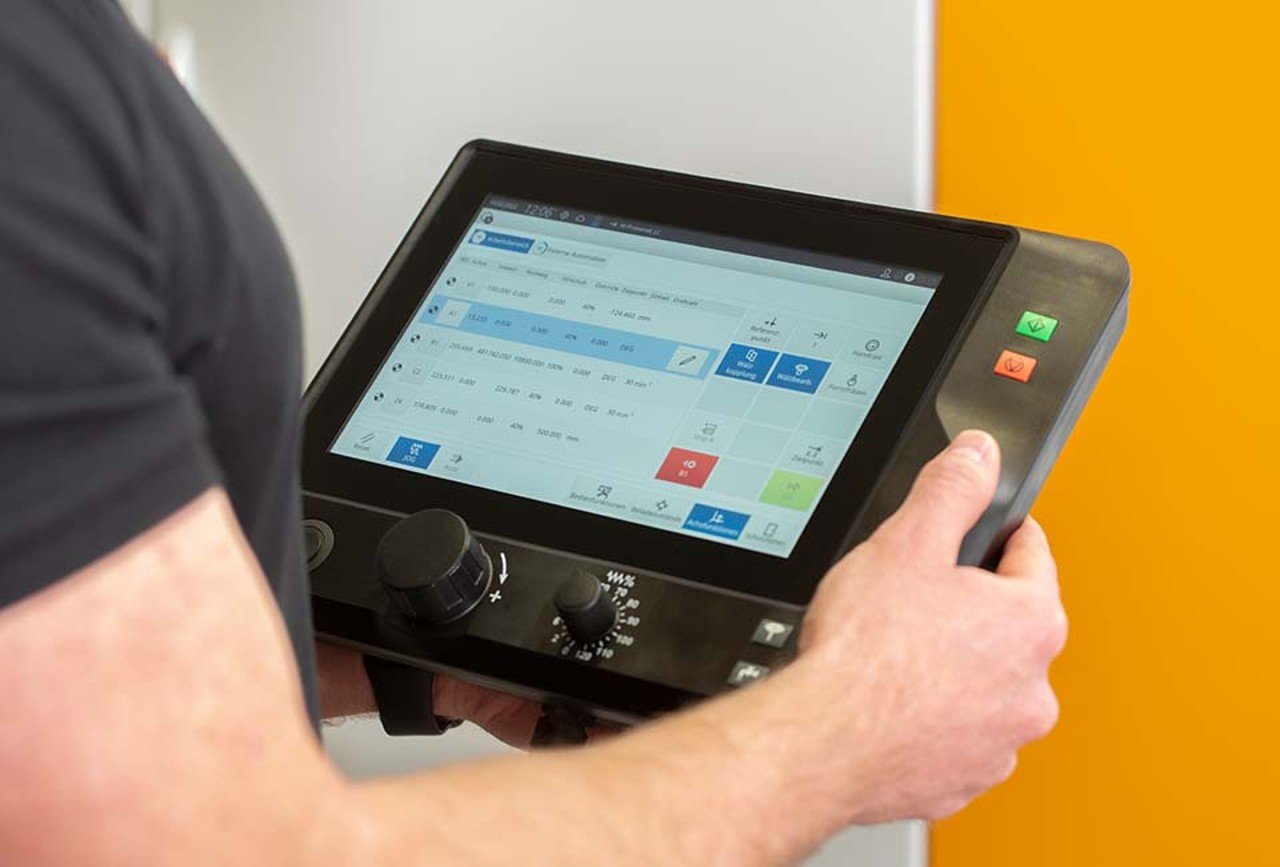
With the control panel, Liebherr intelligently divides the programming and operation of the machine between two system parts: The large, fixed monitor unit LHStation for data input and process monitoring and the standardized, mobile handheld terminal LHMobile with context-sensitive user guidance during setup. Both units have a multi-touch surface as well as tactile elements for optimum operating speed and operating safety.

Mobile handheld terminal LHMobile

  • 10-inch multi-touch as standard
  • Context-sensitive views such as PLC/NC keys and program statuses
  • Wired signal transmission for maximum safety

The programming system by Liebherr: 25% faster setup time

With the LHGearTec software, the system constantly guides users when entering workpiece and tool data, as well as during workpiece correction and process monitoring. The user guidance has been defined in intensive cooperation with designers and users.

More information

01/03

Technical data

Machine length
3,500 mm
Machine width
2,700 mm
Machine height
4,000 mm
Axial travel
1,000 mm
Min. position above table
60 mm
Grinding head swivel angle
45 °
Workpiece speed
1,000 min-1

Variants

productOrderInquiryTableCaption
VariantsLGG 300LGG 380LGG 500LGG 700 M
Workpiece diameter (mm)300380500700

LGG 300 - 500 / 700 M