



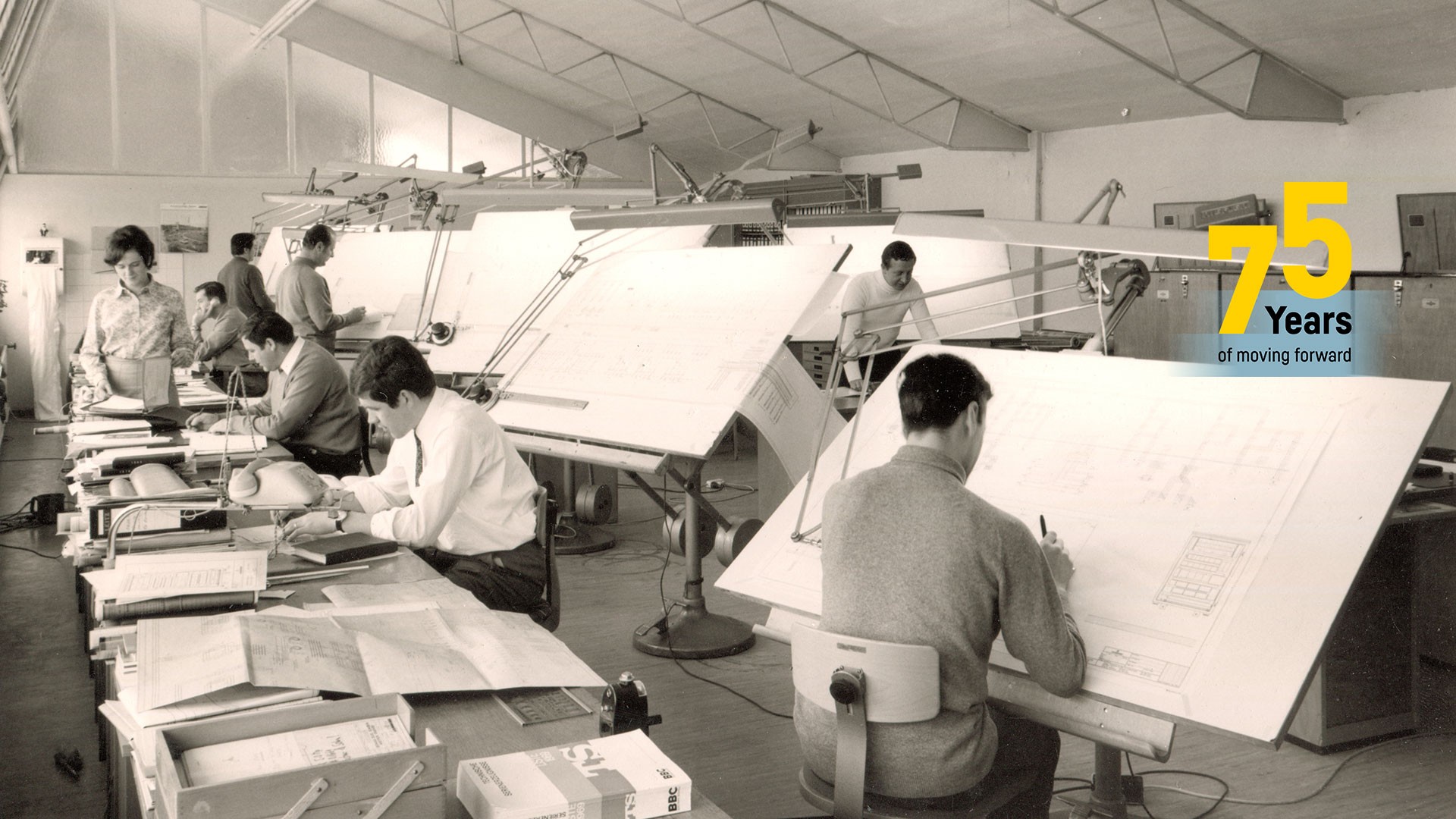
June 2024
Determined to make a difference: pioneering spirit – yesterday, today and tomorrow
When Hans Liebherr invented the mobile tower crane in 1949, he paved the way for a global enterprise and a wide spectrum of groundbreaking innovations in a range of different technological fields. His pioneering spirit has been ingrained in the very fabric of Liebherr ever since.
‘The only constant in life is change,’ even Leonardo da Vinci subscribed to this principle. The polymath ventured the unimaginable, engineering a parachute, a robotic knight and a muscle-powered helicopter. While some considered him a genius, others saw him as a sorcerer or simply denounced him as insane.
Today, we know for certain: it takes more than a momentary flash of inspiration to truly open up new horizons. As well as having the right idea at the right time in the right place, innovators must have the capacity to really get an innovation off the ground. So it was that in 1949 – faced with the enormous challenges of rebuilding towns and cities decimated by war – Hans Liebherr invented a mobile tower crane. A stroke of mechanical genius that would revolutionise work on the construction site and the way we see and achieve great objectives. ‘With dogged determination, it is also possible to achieve what appear to be almost unattainable targets. Don’t allow yourself to be disheartened by setbacks, having faith can move mountains’ – this was the mantra of the company founder.

Ultra-fit for the future
According to technology historian and future researcher Professor Hans-Liudger Dienel from the Faculty for Work Sciences, Technology and Participation at the Technische Universität Berlin Institute of Technology, there is a particular strength to this kind of pioneering spirit: ‘Anyone who can fully devote themselves to something with this basic trust will find countless opportunities to venture into uncharted territory, to develop innovative, pragmatic solutions and to continuously expand the product programme.’
The following examples of developments and groundbreaking projects from the world of Liebherr offer insight into the extensive impact that more than 75 years of this special pioneering spirit have had across all product segments – yesterday, today and tomorrow. Perhaps if Leonardo da Vinci were to read these, he might be inclined to rephrase the principle he lived by: the only constant in life is change – and it gets faster and more beguiling over time. Before then flying off in his helicopter.
Digitalisation – systematic progress
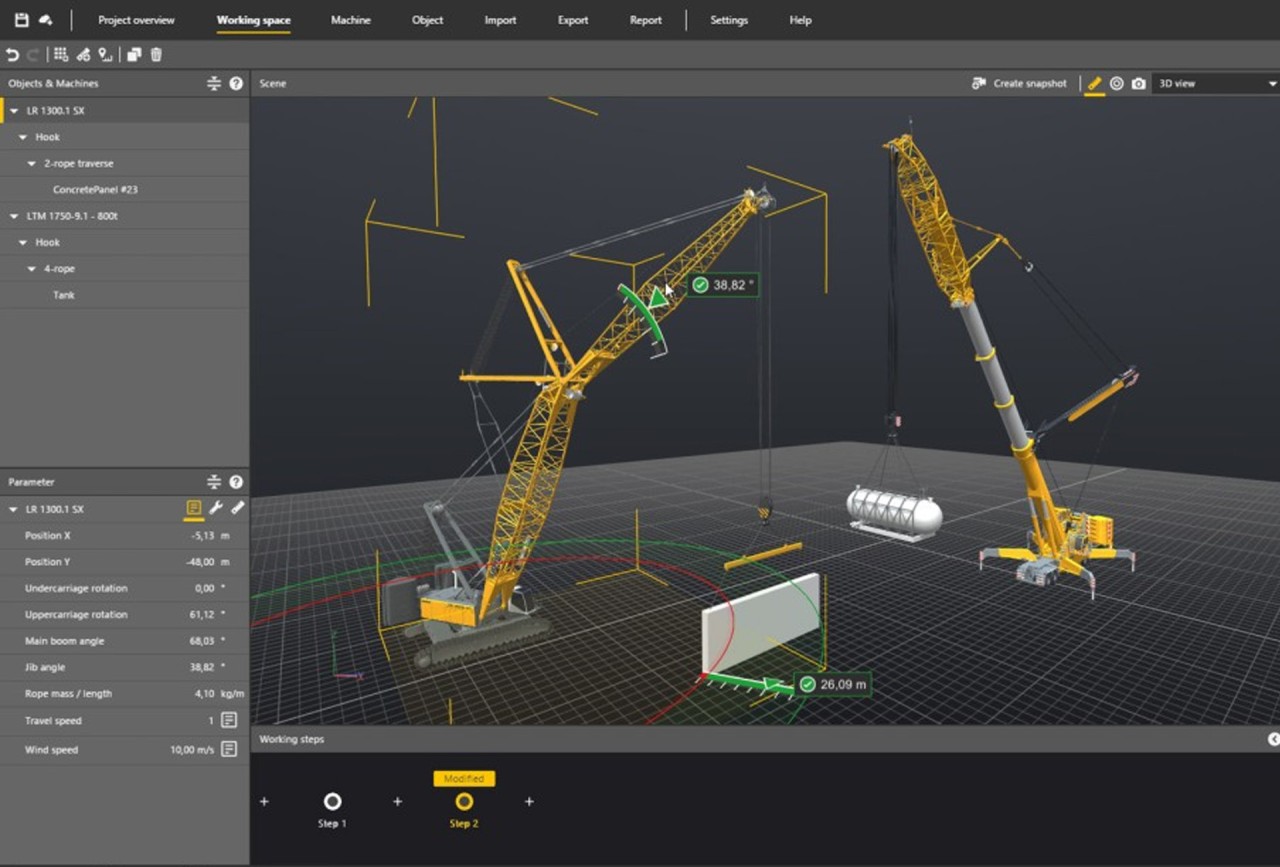
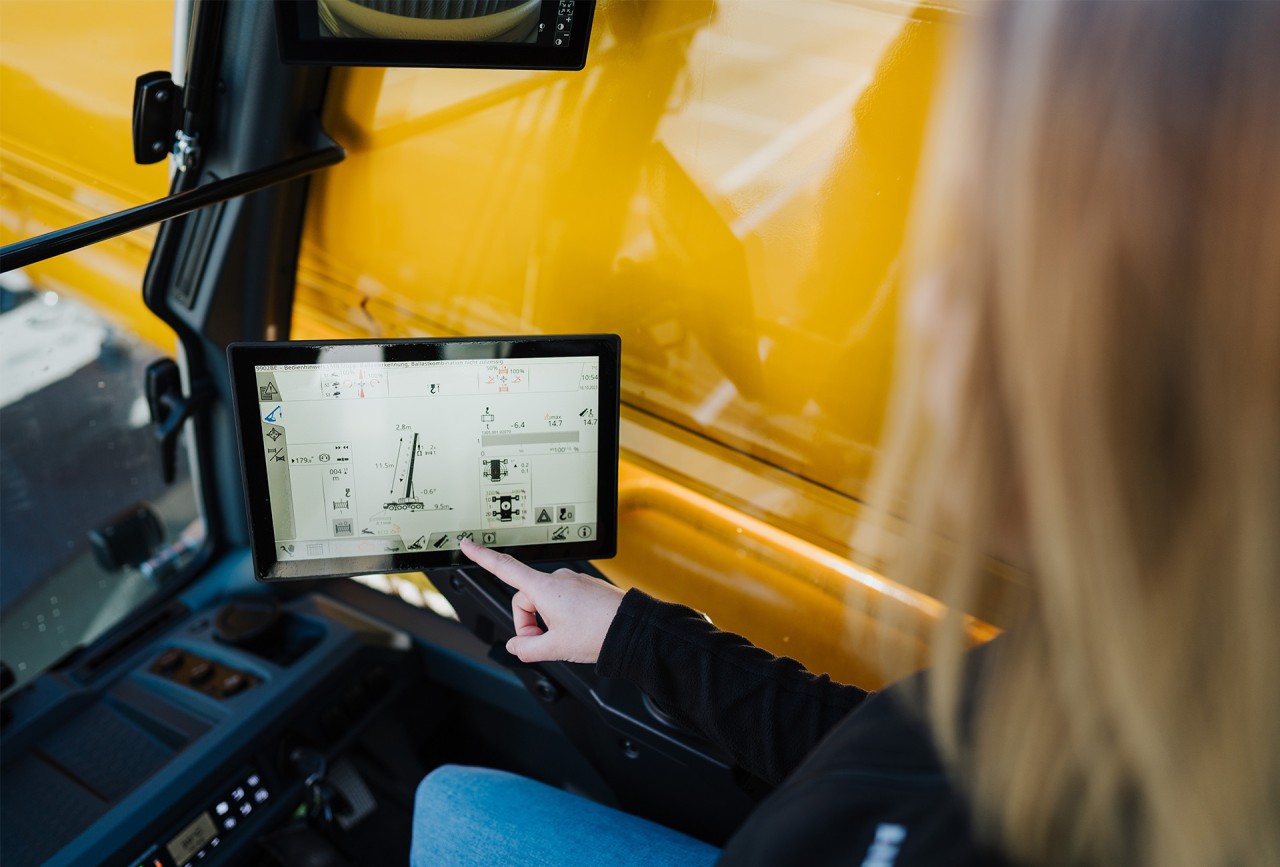
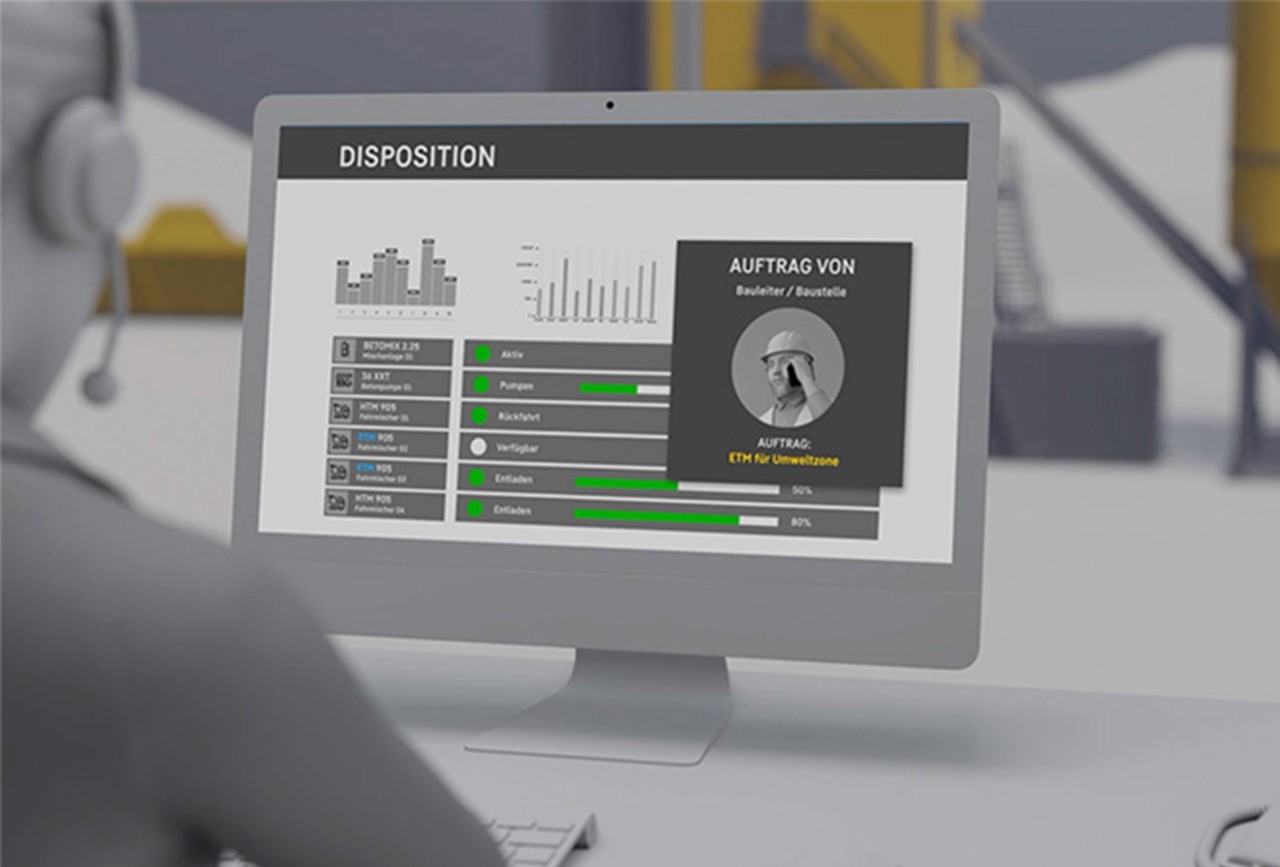
Safety and efficiency on the construction site place stringent requirements on cranes and their operators. This is why Liebherr combines extensive expertise in engineering and digital fields, raising the planning and management of work operations to a whole new level. For the benefit of the people on site.
Technology-neutral approach – making the possible possible
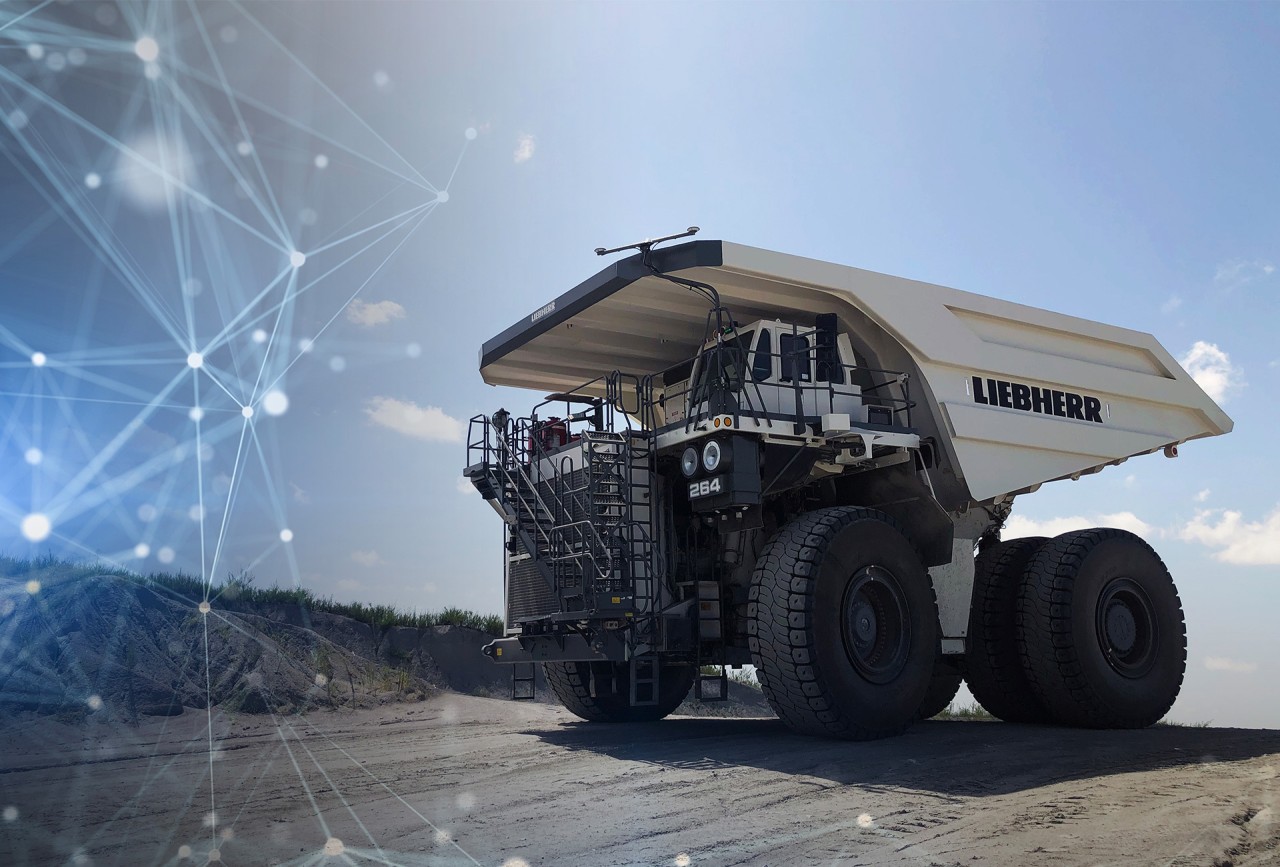
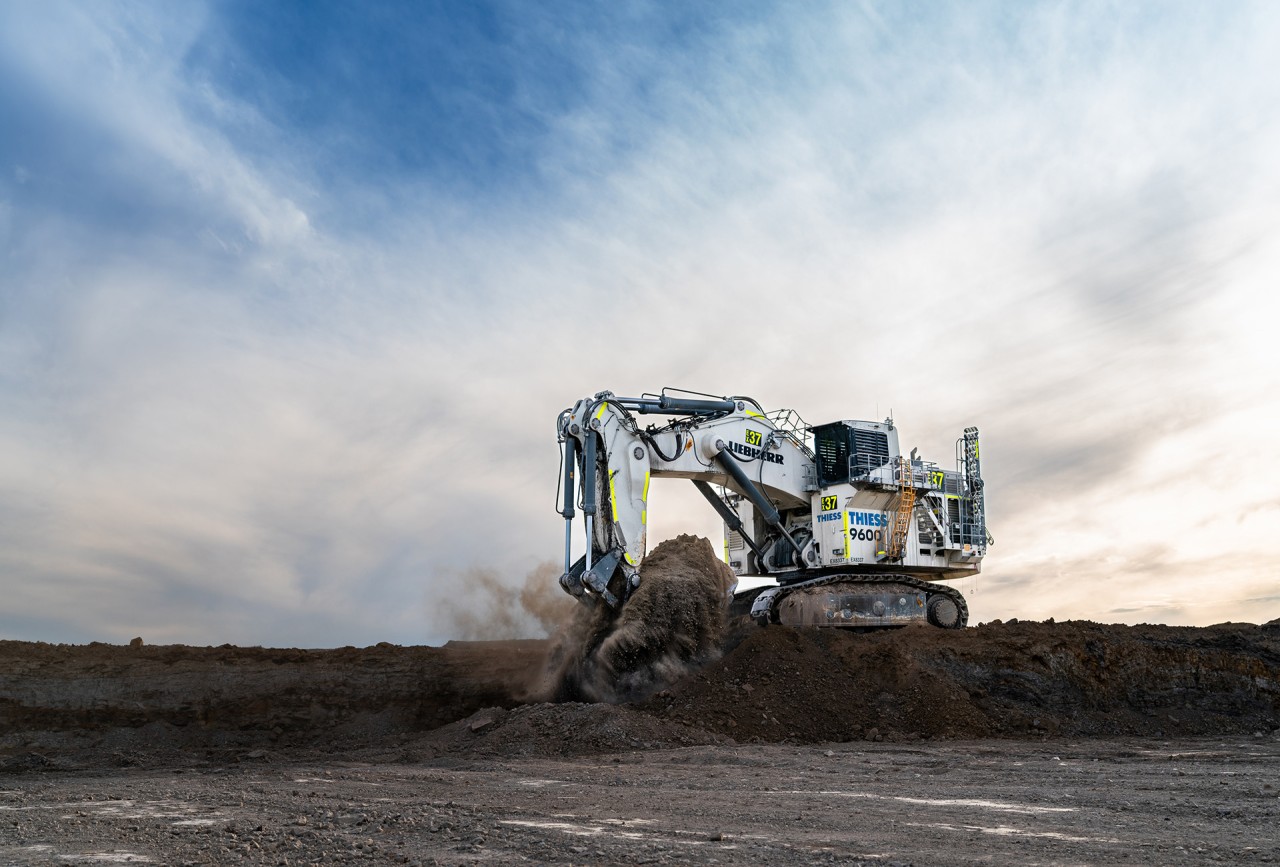
Construction vehicles/machines and units need to meet high standards when it comes to performance, robustness, safety and reliability – often in the toughest conditions. This is why Liebherr is committed to providing the right drive solutions for every circumstance.
Product development – pulling out all the stops
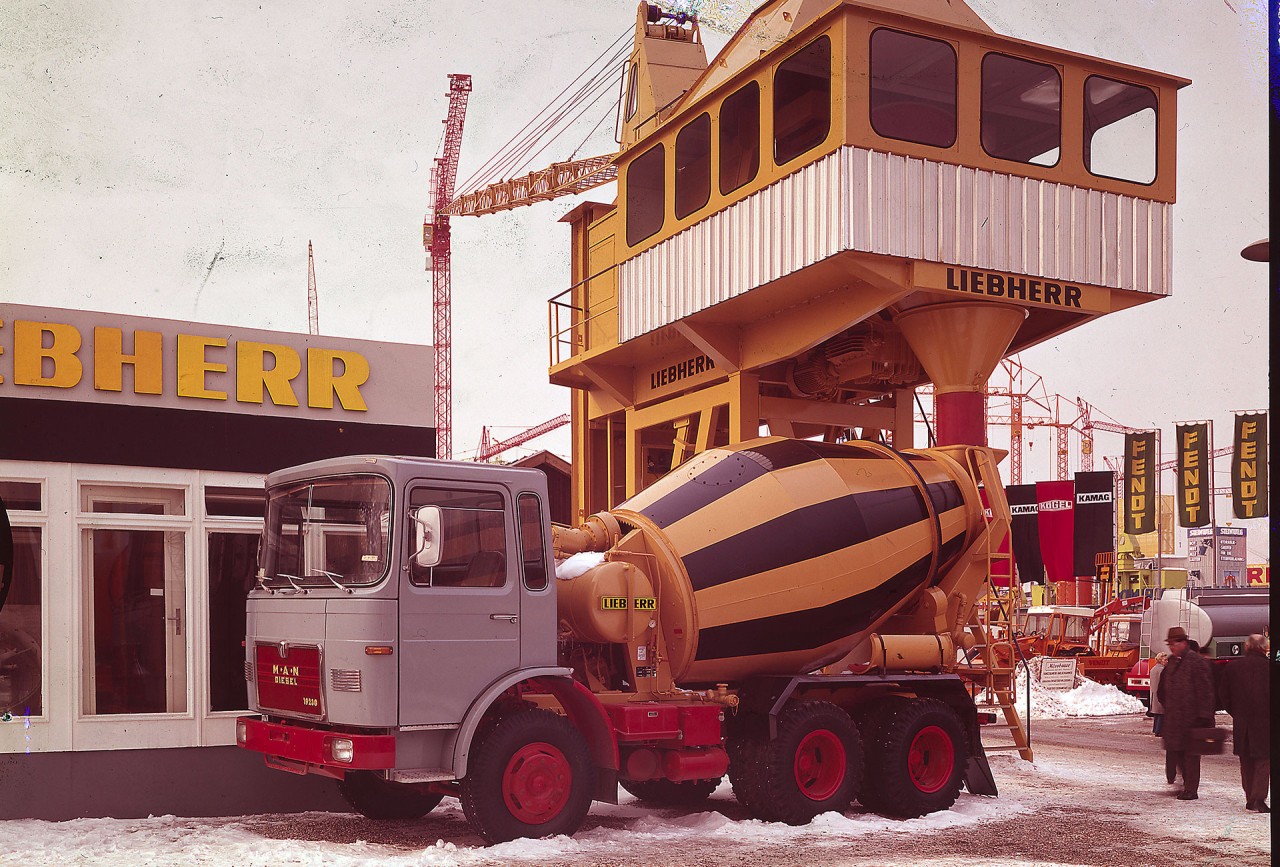
Liebherr’s innovations and transformations, whether big or small in scale, stem from the company’s ability to look beyond the horizon. To this end, the company always pools together wide-ranging skill sets and combines these with the practical experience of a global market leader.
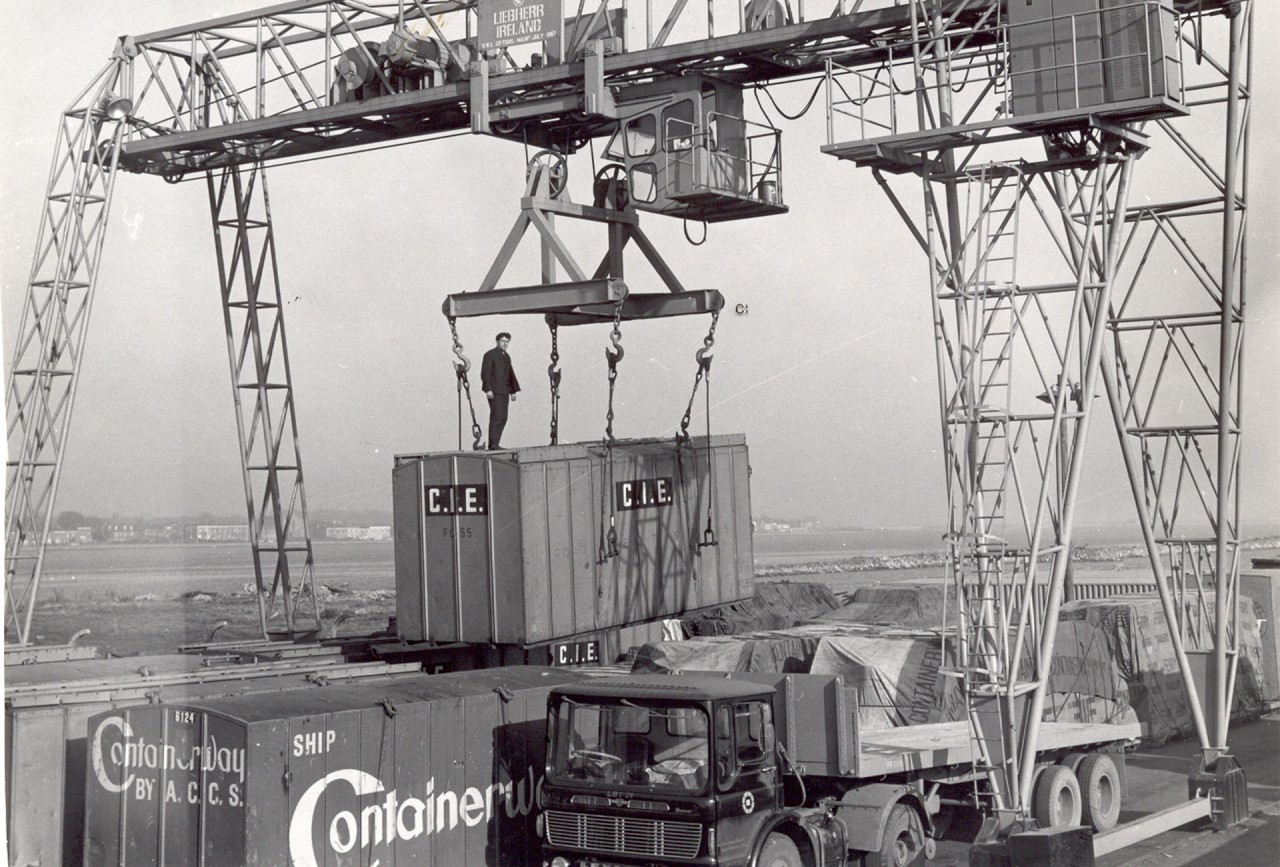
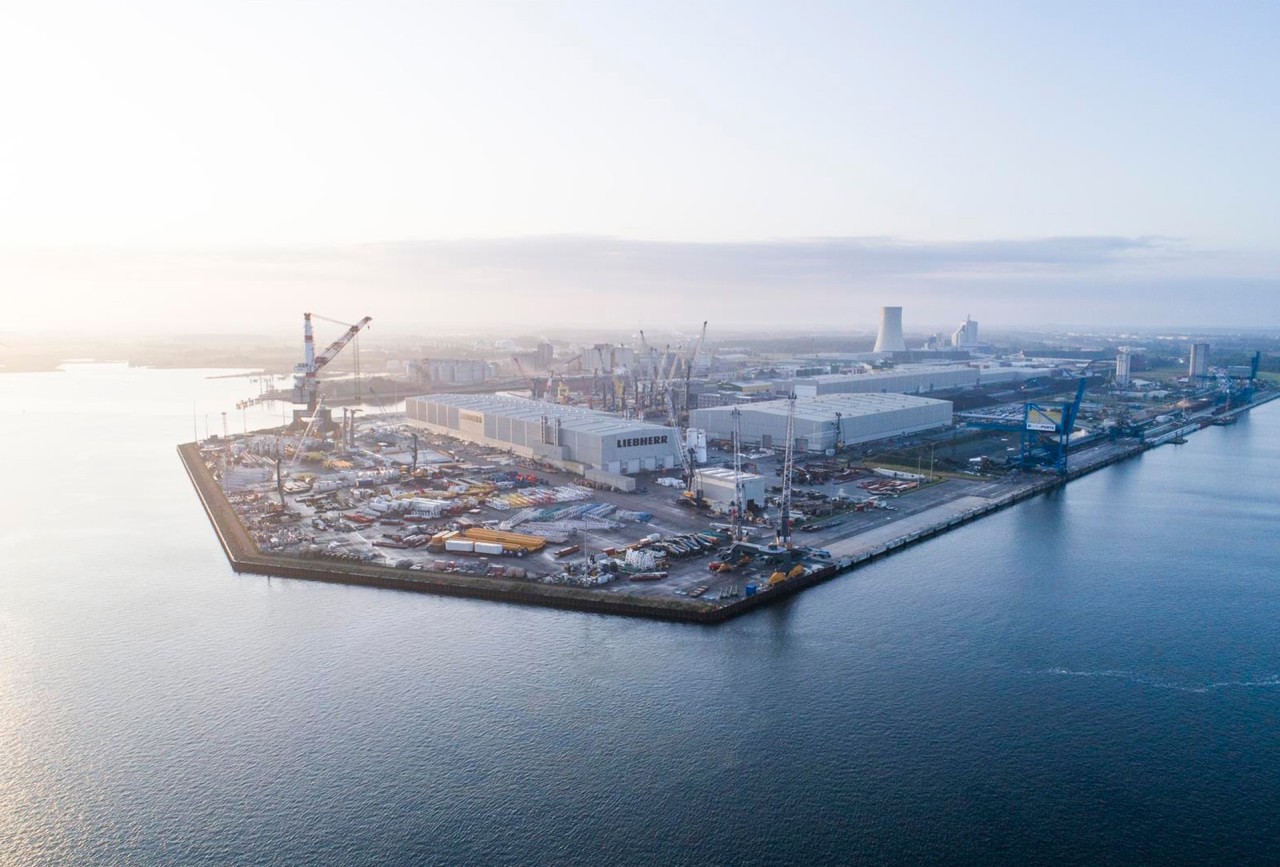
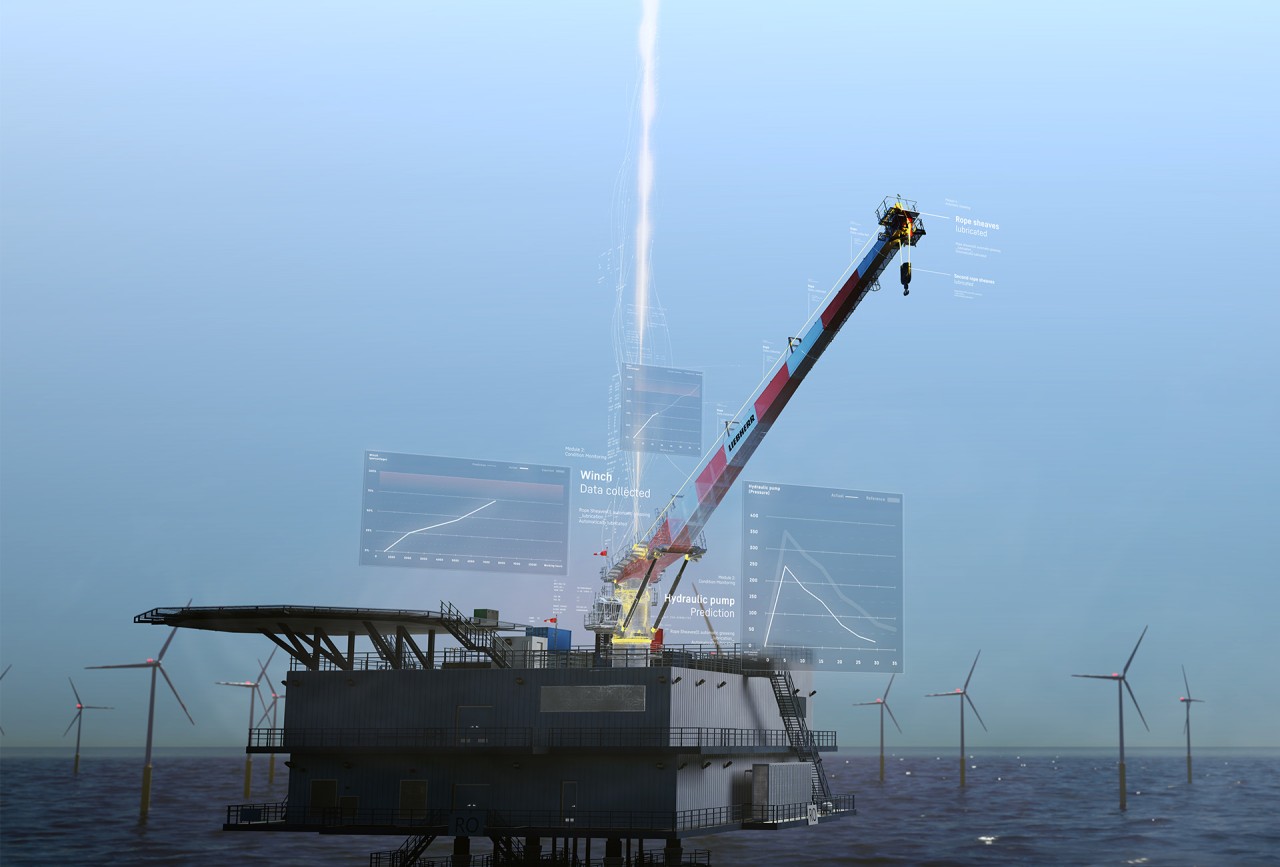
Research and innovation – our pact with the future
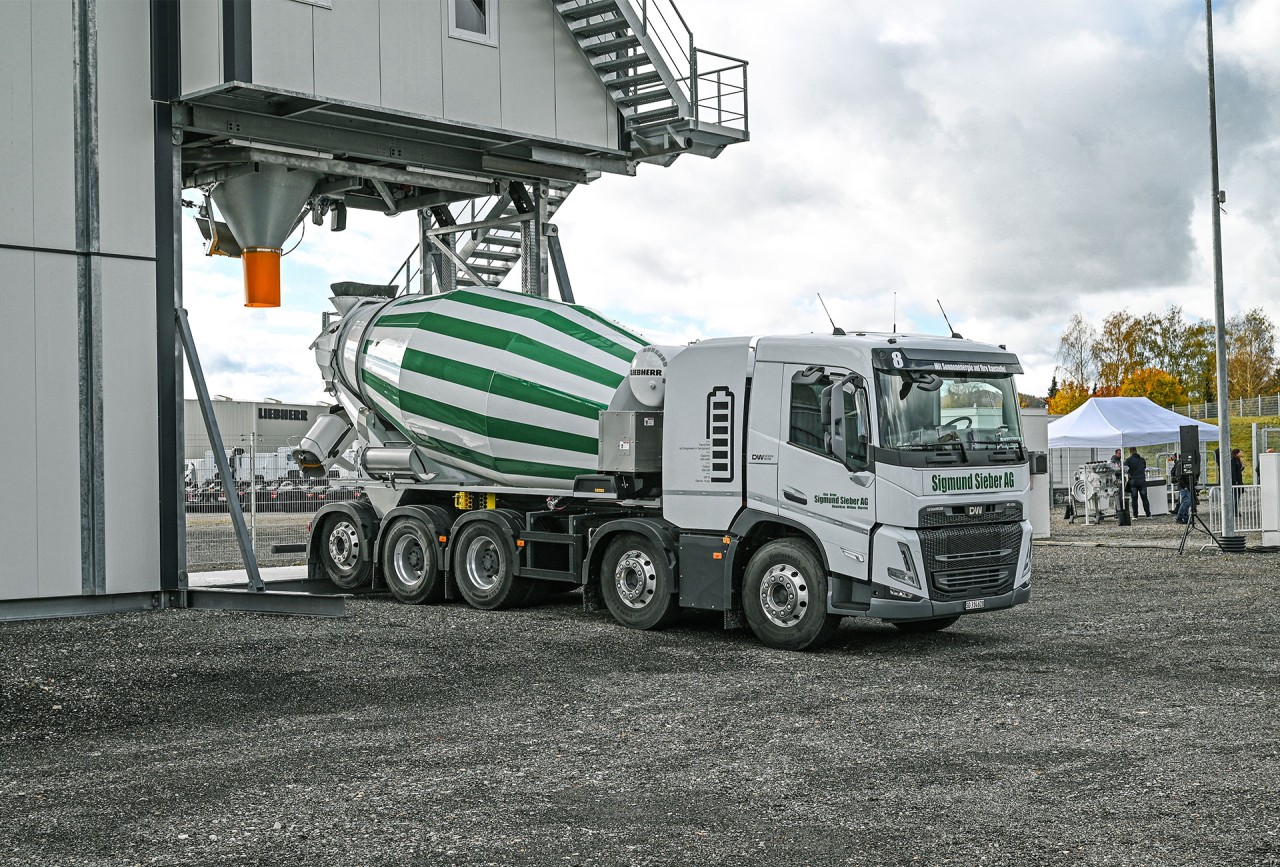
From the very outset, research and innovation has always been the starting point and driver of product development at Liebherr. This calls for experience, pragmatism and boldness in equal measure to keep striking a new path, changing direction without losing sight of the ultimate goal.
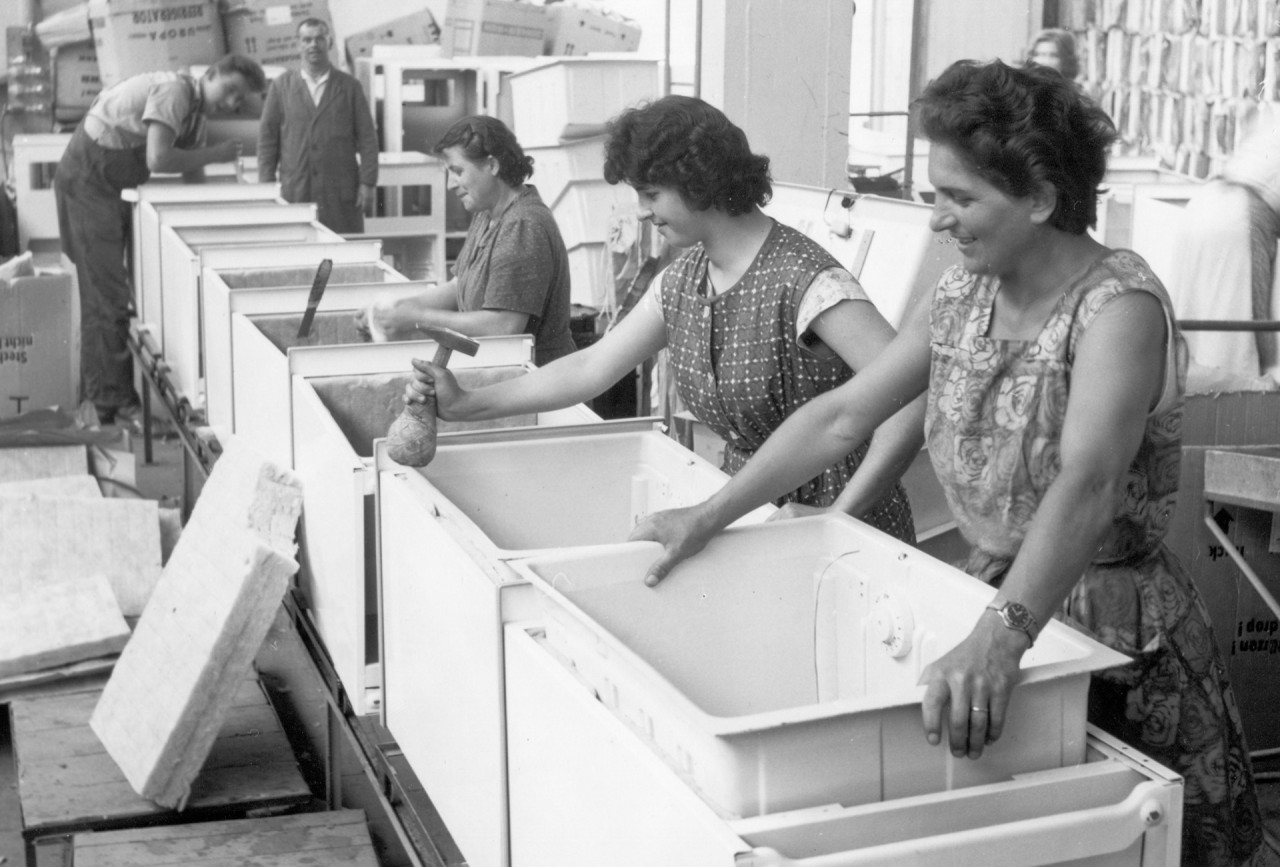
Yesterday
This may be of interest to you

75 years of moving forward
The Liebherr Group is celebrating its 75th anniversary in 2024. To mark the occasion, we are celebrating ‘75 years of moving forward’. Learn more about the anniversary.
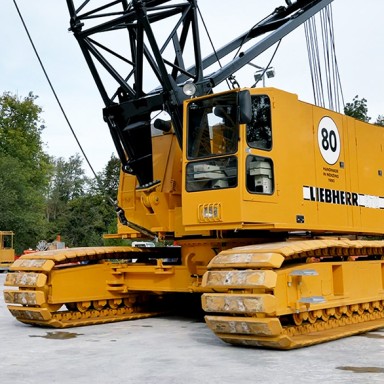
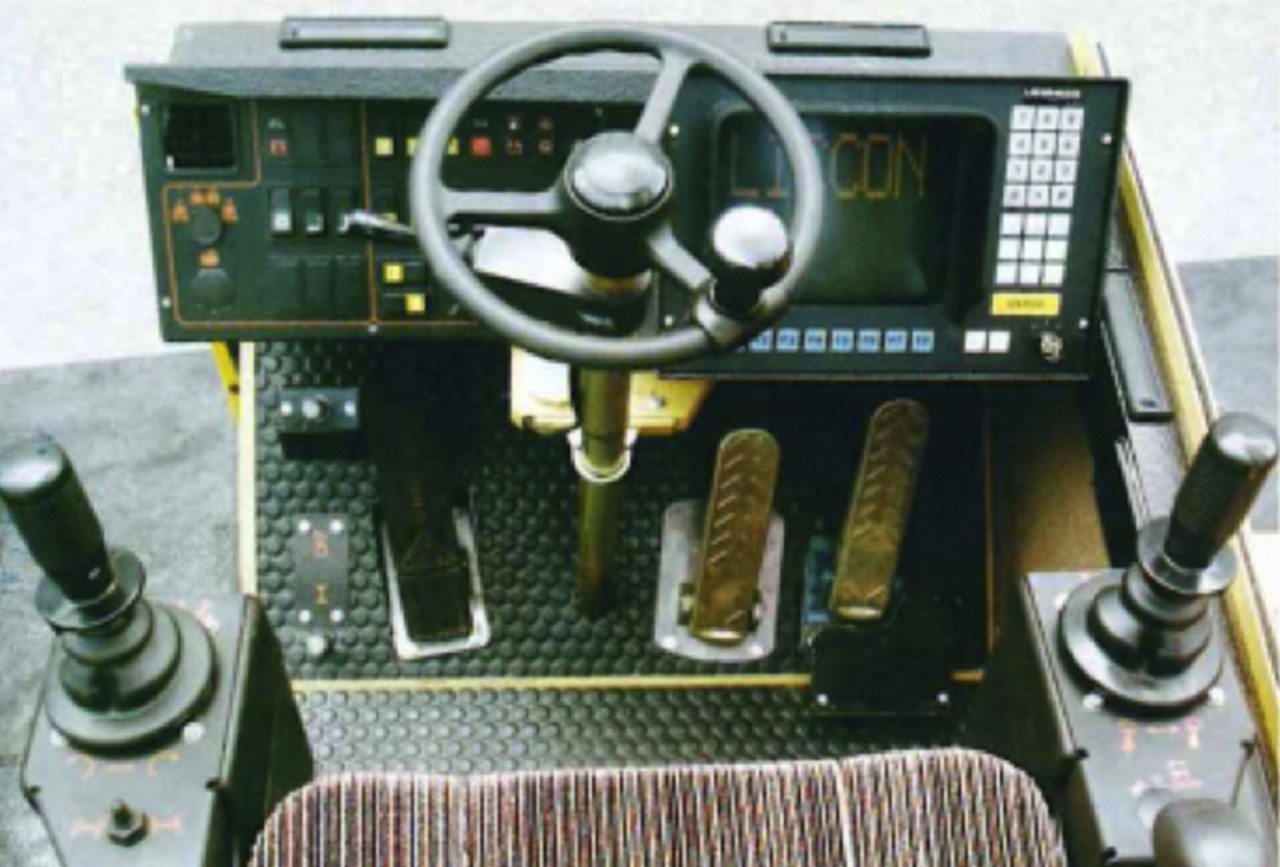
The duty cycle crawler crane that changed Liebherr
In 1979, it was a controversial topic at the ship crane manufacturer Liebherr in Nenzing – the first Liebherr duty cycle crawler crane. Yet it was to lay the foundation for the production of construction machinery at the site.

The Group magazine
In the Magazine, you can find a look behind the scenes at Liebherr. Everyday heroes are introduced and solutions for tomorrow's problems are presented. Expect exciting stories about people who achieve great things together with Liebherr.