


Excavators
What is an excavator?
An excavator is a versatile construction machine that is primarily used for earthmoving. It is used to lift, transport and move soil, rock or rubble. Excavators are indispensable in the construction industry, from foundation excavation and road construction to demolition work and landscaping.
From small to large excavator
Excavators are among the most powerful and versatile machines on modern construction sites and have become an integral part of today's construction industry. Whether for excavating foundations, civil engineering and road construction, demolition or horticultural and landscaping: Excavators perform key tasks in almost all construction phases and make a significant contribution to the efficiency and cost-effectiveness of a project.
But not all excavators are the same. Depending on the area of application, different machine types such as crawler excavators, wheeled excavators or rope excavators are used - each variant with specific strengths, requirements and investment costs. For construction companies, fleet managers or project managers, the question is therefore not only which excavator is applicable, but also which model makes economic sense in the long term.

Wheeled excavators

Wheeled compact excavators




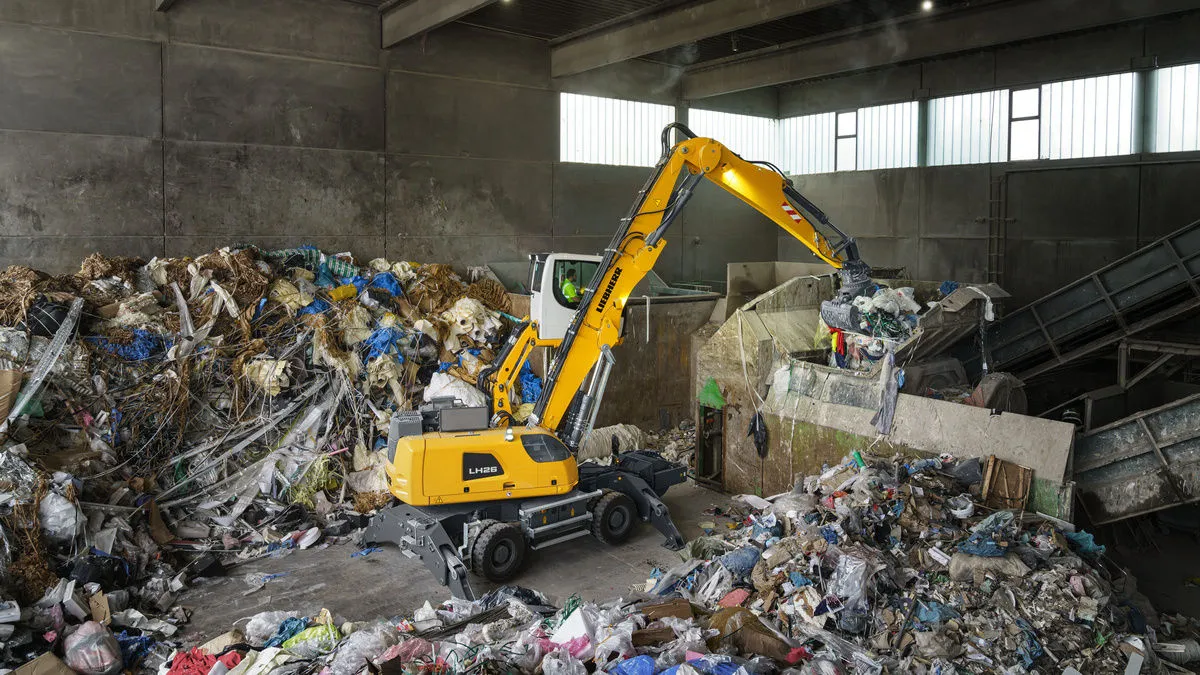


Construction of an excavator
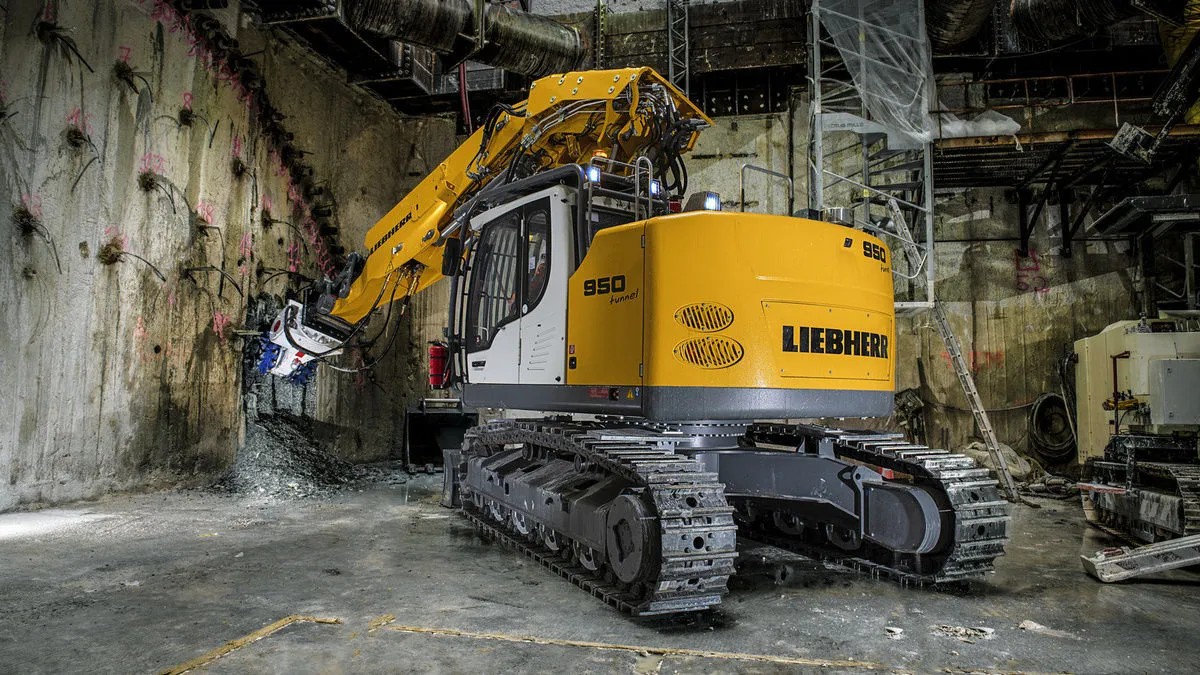
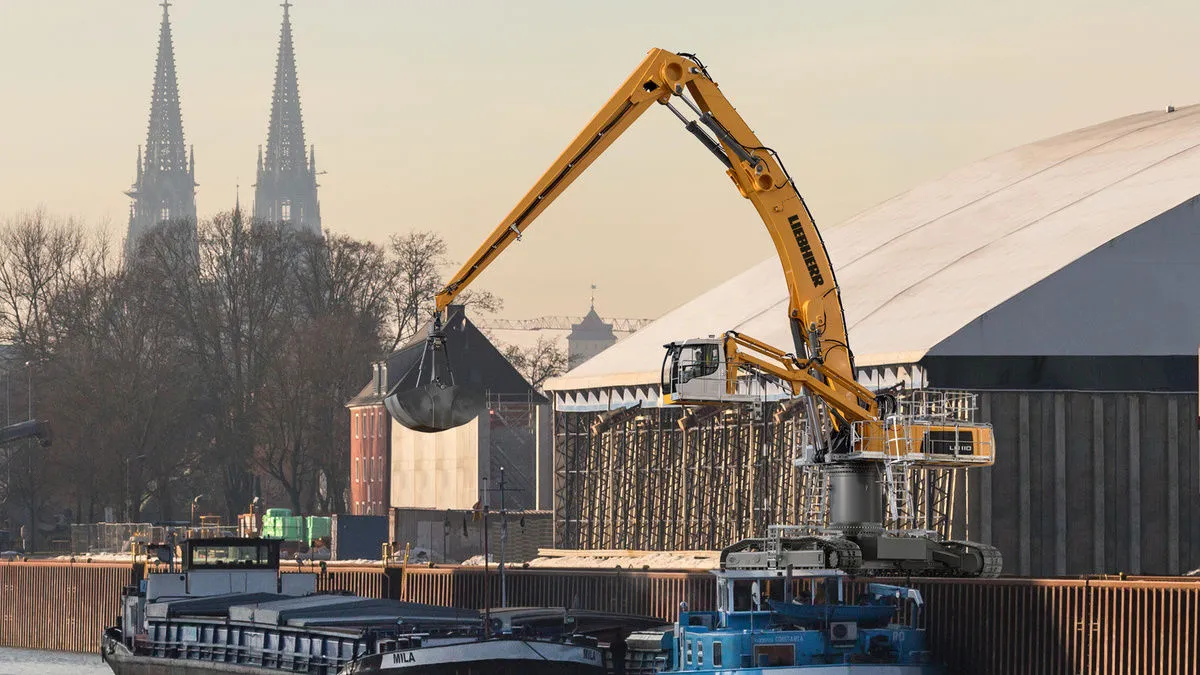
A modern excavator consists of several main components. There is the uppercarriage with cab, engine compartment and equipment. The undercarriage carries the running gear with wheels or tracks and is connected to the uppercarriage via a slewing ring. The working attachment, simply speaking the excavator arm, consists of boom, stick and attachment.

Important features of an excavator

Operating mass and engine power
The excavator weight varies depending on the size - from compact excavators to large excavators. The engine power is also adapted to the respective operating mass.

Chassis type
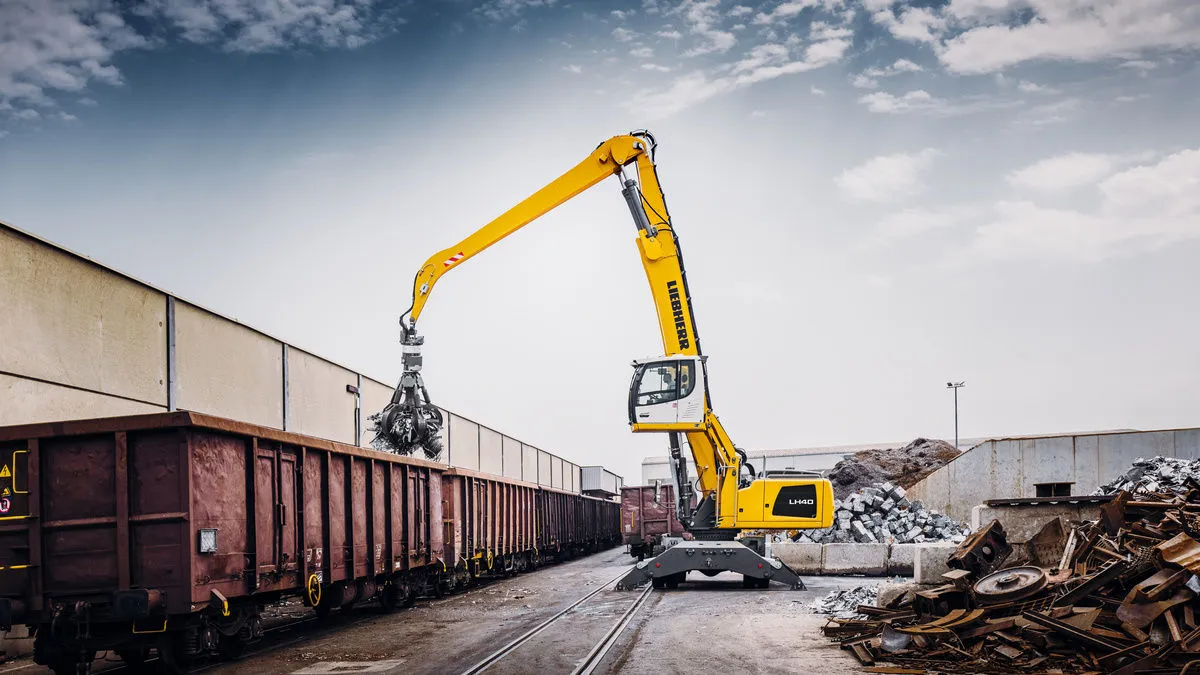
Tracked undercarriage for unpaved and rough working areas. Wheels for construction sites where a high proportion of driving is required, e.g. in cities.

Excavator size
The dimensions of the excavator must correspond to the operating location and the task. Small excavators are preferably used in city centre areas.

Digging depth and reach
These values determine how deep and how far the excavator can work. Graphed curves visualise these values depending on the configuration (equipment and attachment).

Equipment variants
A wide range of equipment increases the operator's safety and comfort.
Buy an excavator
Liebherr has excavators experience for over 65 years
Liebherr excavators are steeped in tradition! Excavators have been an important part of the product range since the early 1950s. In 1953, Hans Liebherr developed one of the first hydraulic excavators in Europe as a response to the cable excavators that had prevailed until then. The production of wheeled and crawler excavators was expanded in the following years and supplemented by large hydraulic excavators for the mining sector. In 1979 Liebherr presented the world's first hydraulically driven duty cycle crawler crane with electronic control. This was a welcome expansion to the range of construction machinery.
Today, the product range is more diverse than ever – with Liebherr offering solutions for any construction project. Excavators with crawler tracks are ideal for unstable ground conditions, while wheeled excavators can also cover longer distances on the construction site thanks to their wheels. The different sizes – from small excavators to large excavators – promise our customers a variety of options.
Largest excavator and smallest excavator from Liebherr


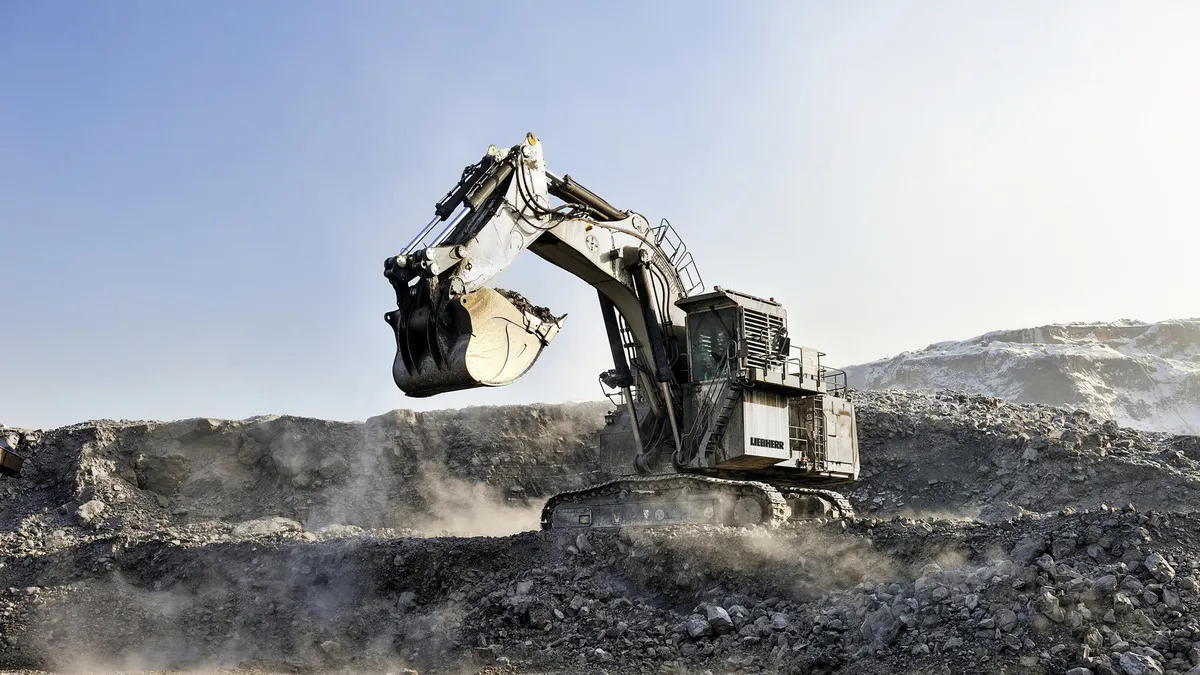
Liebherr's largest excavator is the R 9800 mining excavator. It has an operating mass of 800 tonnes, making it 80 times heavier than the smallest excavator in the Liebherr range. The A 909 Compact weighs in at 10 tonnes.
FAQs on excavators
An excavator is a versatile construction machine that is mainly used for earthmoving and digging. It is used to lift, transport and move soil, rock or rubble. Excavators can have tyres (wheeled excavators) or tracks (crawler excavators) to move around.
The price of an excavator depends on several factors. Excavator weight, excavator size and performance, condition and age as well as equipment and technology are decisive for the price. The cost of a new Liebherr excavator for earthmoving is between €150,000 and €1,500,000.
Driving an excavator on a construction site does not require a driving licence as defined by the German Driving Licence Ordinance. Local regulations might apply. Instead, excavator operator licence training or construction machine instruction is required to operate the machine safely and legally.
However, if the excavator is driven on public roads, a valid operator's licence in required, e.g. in Germany class L, T or C, depending on speed and weight.
An excavator typically works on construction sites, in civil engineering, road construction, gardening and landscaping as well as in open-cast mining or on demolition sites. Its main task is to move earth, rubble, rock or other materials. Depending on the application, an excavator can be used for digging, lifting, loading, levelling or demolition.


