
Japanese cheesecake: a light, trendy treat
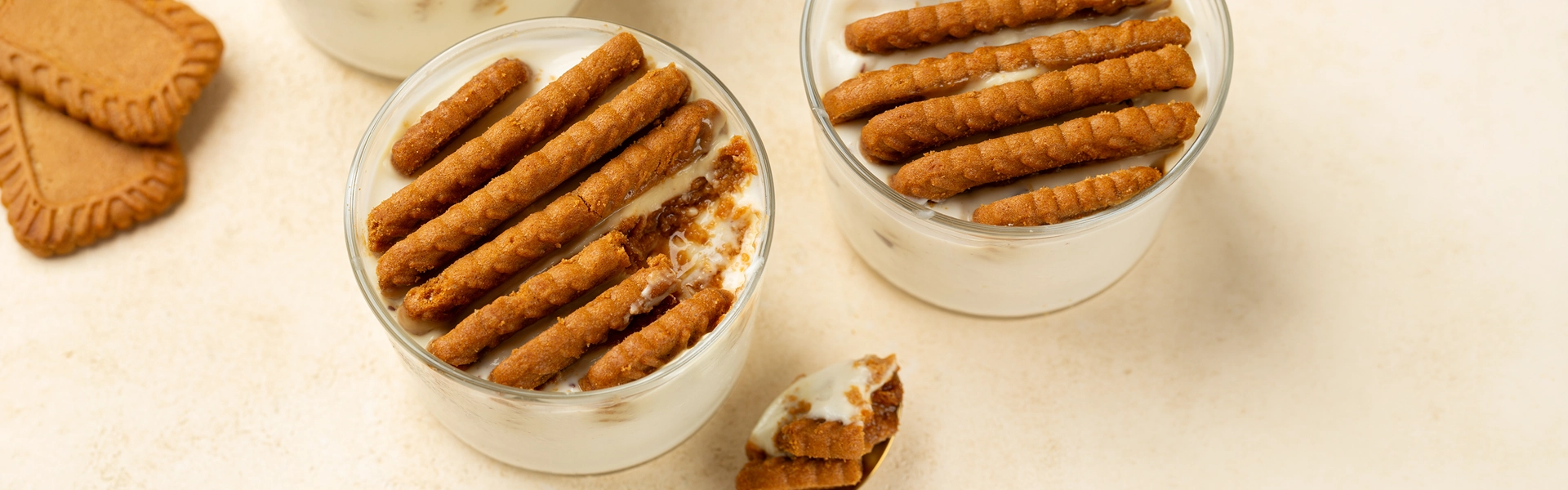
Japanese cheesecake is currently captivating millions of people on social media. It’s not just traditional Japanese cheesecake that’s in the spotlight, but also modern dessert variations with skyr, yoghurt, and caramel biscuits. This trending dessert combines a light texture with people’s desire for simple recipes with few ingredients. While classic Japanese cheesecake has a characteristic soufflé texture, the viral version often features a no-bake method. To understand the trend better, you’ll find the key background information here on its origins, preparation method, texture, and nutritional value.
The key points
- Originated in Japan as a lighter alternative to classic cheesecakes
- Fluffy texture thanks to beaten egg whites and baking in a bain-marie
- Viral variant with skyr or yoghurt and caramel biscuits
- Often lower in fat and sugar than classic cheesecakes
- High-protein variants with skyr or low-fat quark
Japanese cheesecake – list of contents
- Where does the Japanese cheesecake trend come from, and what’s the recipe behind it?
- Why is Japanese cheesecake so fluffy and airy?
- What differentiates the no-bake variant with caramel biscuits from the original?
- How healthy is Japanese cheesecake?
- Is Japanese cheesecake with yoghurt or skyr a high-protein choice?
Where does the Japanese cheesecake trend come from, and what’s the recipe behind it?
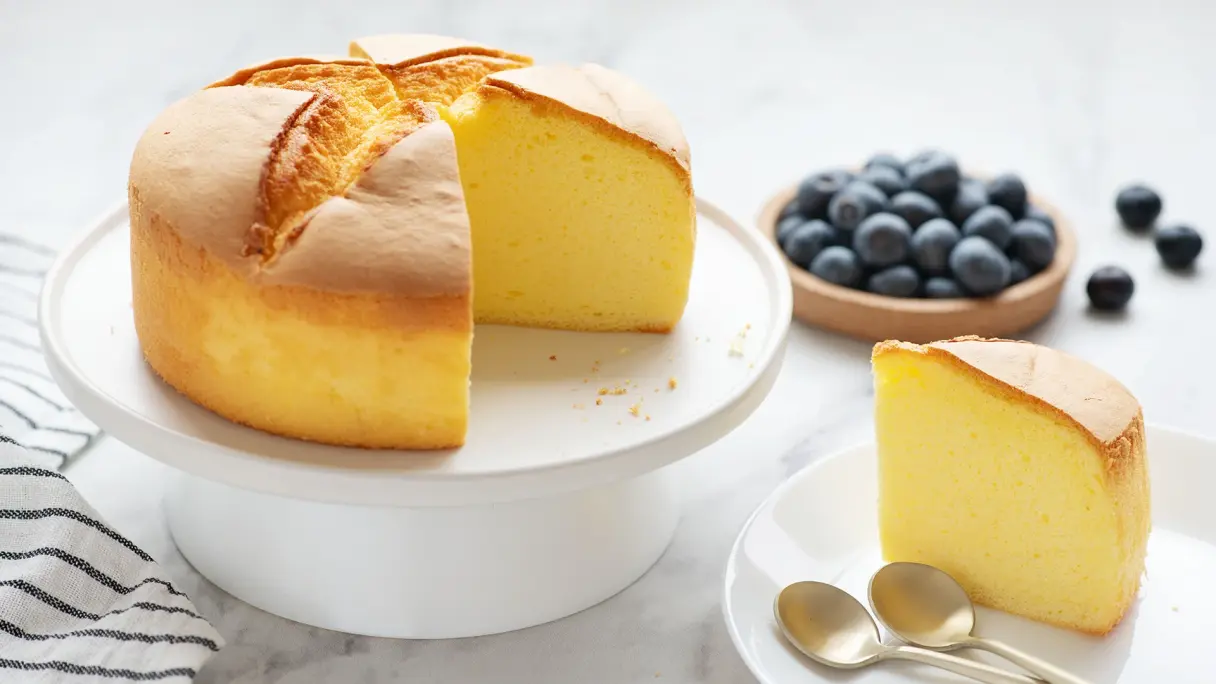
Japanese cheesecake, also known as Japanese cotton cheesecake or soufflé cheesecake, was developed in Japan in the 1960s and 70s. Japanese confectioners were inspired by European cheesecake and French patisserie, but wanted to create a dessert that better suited local tastes. The result was a much lighter, less sweet cake with a soft, airy structure. Typical ingredients include cream cheese, eggs, milk, a small amount of flour, and carefully beaten egg whites. It is traditionally baked in a bain-marie to keep its moist consistency.
Alongside this, a simplified variant has spread on social media platforms. This often uses skyr or Greek yoghurt combined with caramel biscuits. Often, just a few ingredients are all it takes, making this dessert perfect for current food trends such as simple recipes, meal prep, and creative dessert mash-ups. Strictly speaking, however, this is not a traditional Japanese cheesecake.
Why is Japanese cheesecake so fluffy and airy?
The secret to the special texture is beaten egg white. The egg whites are beaten separately until stiff and then gently folded into the cream cheese mixture. Beating the egg whites creates a stable network of proteins that traps lots of air bubbles. During baking, these proteins expand thanks to the warmth and steam. At the same time, the proteins strengthen and stabilise the structure of the cake. The result is the typically fluffy, almost cloud-like texture.
The bain-marie is just as important. It prevents sharp temperature fluctuations and ensures even cooking. This keeps the crumb damp and the surface less prone to cracking. In addition, Japanese cheesecake only contains small amounts of flour and starch. Compared with traditional cheesecakes, this means it does not develop a compact structure. Cream cheese also provides moisture and fat, which ensures that the dessert remains pleasantly creamy despite its high air content. Research also shows that the choice of dairy product has a significant influence on perceived texture.
What differentiates the no-bake variants with caramel biscuits from the original?
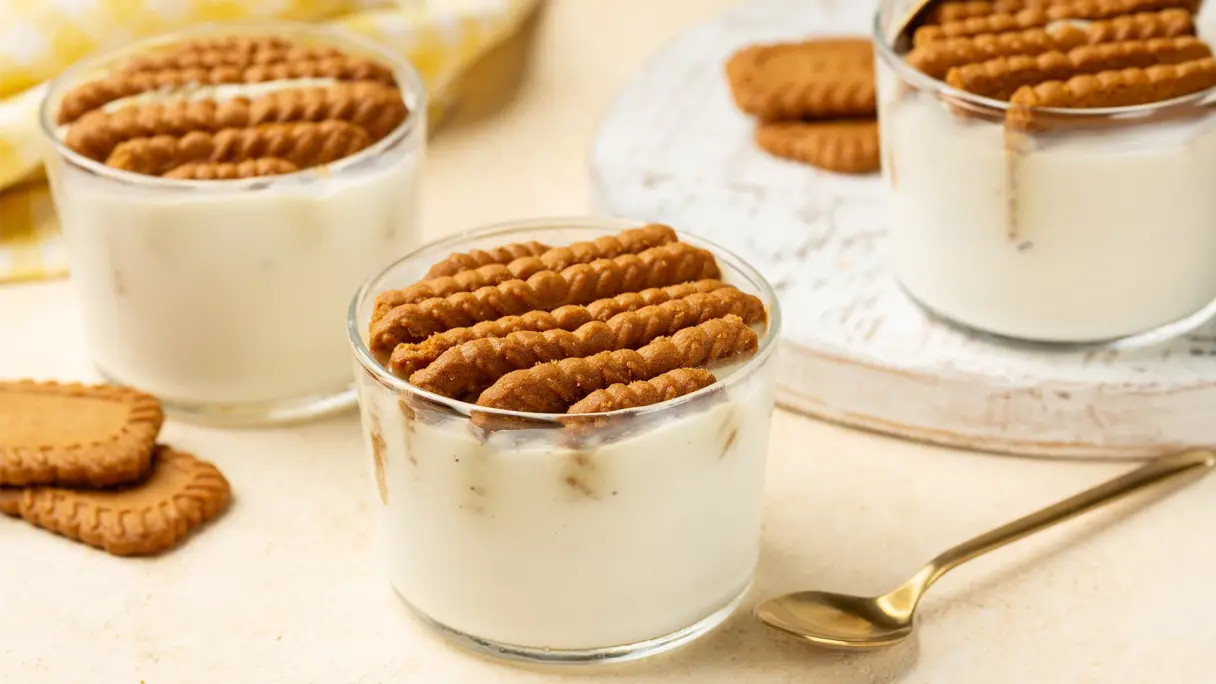
This modern take on the Japanese cheesecake is a delight thanks to how easy it is to make.
There are clear differences between traditional Japanese cheesecake and the viral no-bake version. Classic American or European cheesecakes are mostly denser, tougher, and contain large amounts of cream cheese, sugar, or butter. In Japanese cheesecake, the egg yolks and egg whites are handled separately, which results in significantly more volume. In addition, the recipe is often lower in fat and sugar.
The social media version follows a different approach. Instead of cream cheese, skyr or Greek yoghurt are often used. Crumbled caramel biscuits form the base or are layered between different layers of cream. Baking is often skipped altogether. As a result, the texture is more reminiscent of a modern yoghurt dessert than a traditional cheesecake. This creative combination of different dessert ideas makes this variant a classic dessert mash-up. At the same time, it meets the demand from many consumers for quick-to-prepare recipes.
How healthy is Japanese cheesecake?
Traditional Japanese cheesecake usually contains less sugar and fat than many classic cheesecakes, but it is still a dessert and should be enjoyed in moderation. The viral variant with skyr or Greek yoghurt often provides more protein and calcium. However, the type of yoghurt, added sugar, the quantity of caramel biscuits, and the portion size determine how healthy it actually is. Therefore, even the high-protein social media version cannot be categorically classified as healthy.
Is Japanese cheesecake with yoghurt or skyr a high-protein choice?
The classic Japanese cheesecake contains protein mainly from eggs and cream cheese. However, with around 6 to 8 g of protein per 100 g, it is not one of the classic high-protein desserts. This is not the case with modern variants with skyr, Greek yoghurt, or low-fat quark. Due to the way they are produced, these dairy products contain significantly more concentrated milk proteins and can noticeably increase the protein content of the dessert.
The no-bake version in particular is therefore ideal for anyone looking for a higher-protein dessert. In addition, cream cheese and other higher-fat ingredients can sometimes be substituted without completely losing the typical creamy texture.
Low-fat quark has the highest protein content and is particularly well suited to high-protein variants. Skyr and Greek yoghurt combine a high protein content with a creamy texture, making them popular ingredients in modern Japanese cheesecake recipes.
| Ingredient | Protein per 100 g |
|---|---|
| Greek yoghurt | Approx. 8–10 g |
| Skyr | Approx. 10–11 g |
| Low-fat quark | Approx. 12–13 g |