Where quality meets productivity
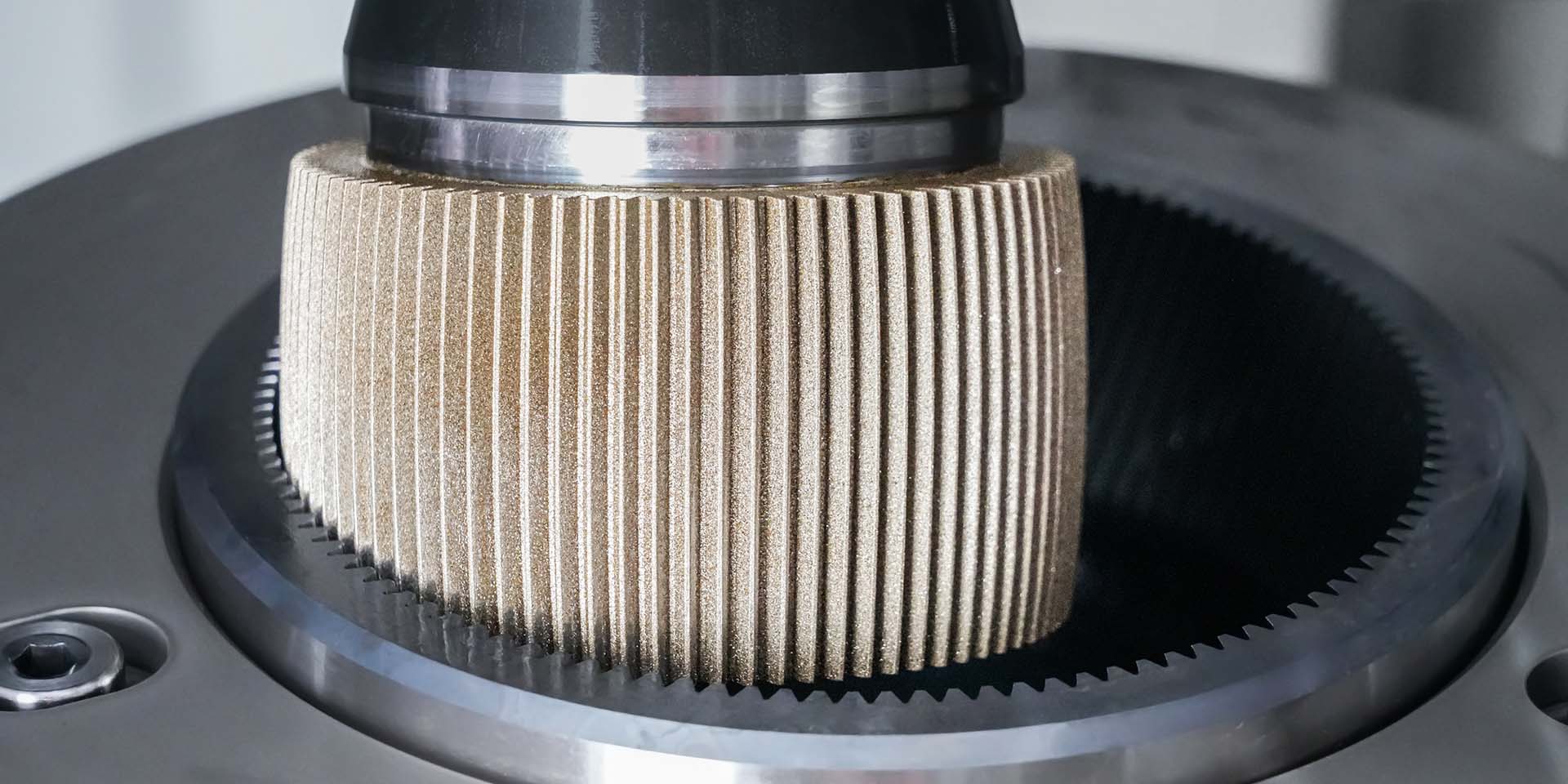
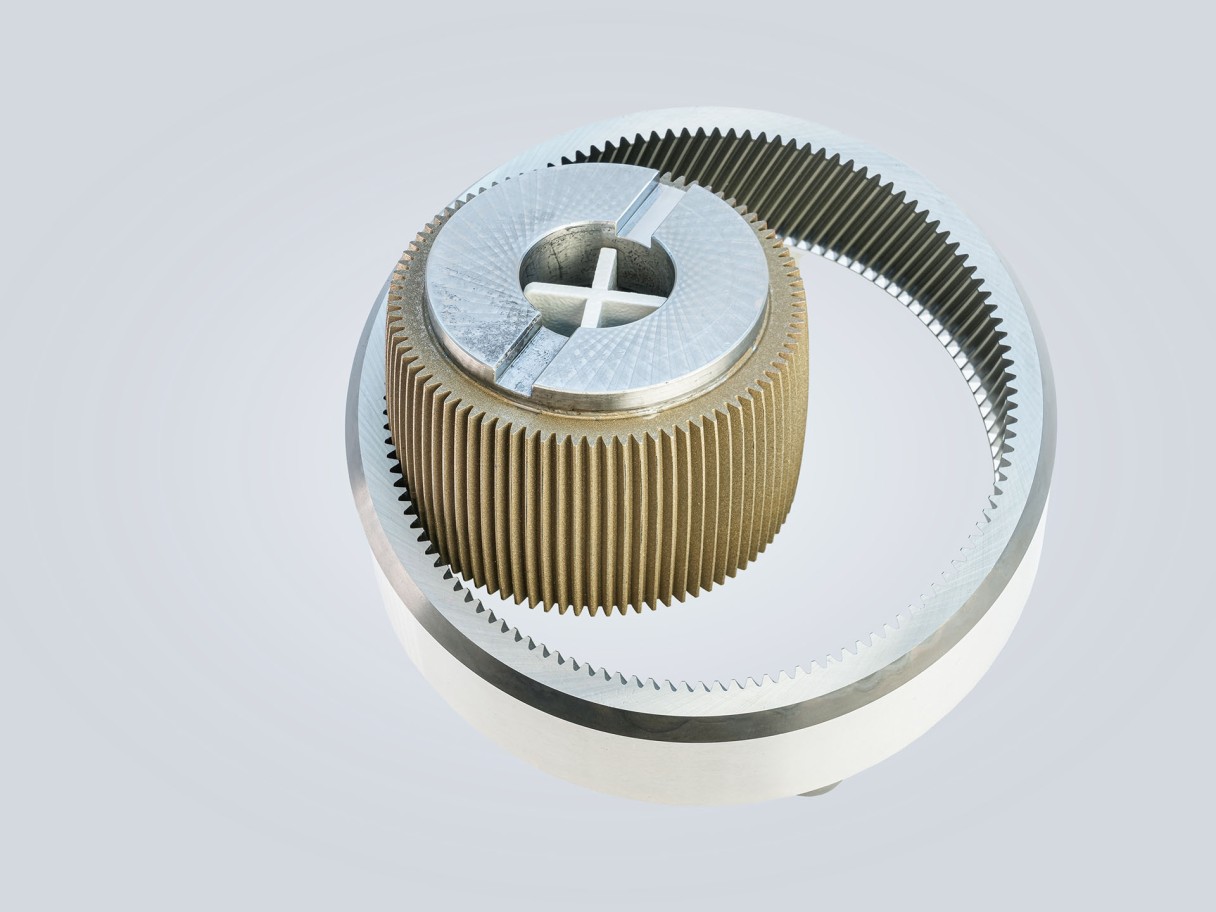
With SkiveFinishing®, Liebherr has developed a process that sets new standards in the hard finishing of internal gears. Following successful proof of technological feasibility, the focus is now firmly on industrial deployment. The aim is to develop a robust, cost-efficient manufacturing process that combines the highest quality standards with maximum productivity.
In the hard finishing of internal gears, manufacturers often face the challenge of balancing stringent quality requirements with cost-effective production. SkiveFinishing® offers an innovative solution. “Our aim is to deliver maximum productivity without compromising on quality – two requirements that often conflict in practice,” explains Haider Arroum, head of gear cutting tools and site manager.
Having successfully demonstrated the technological feasibility of the process, Liebherr is now working with leading customers to refine and optimize SkiveFinishing® under real production conditions. The focus is on component quality, process stability, tool life, and overall cost-efficiency.
Everything from a single source
A key success factor is the close integration of Liebherr’s various areas of in-house expertise. From tool and process development through to applications engineering and machine design, all critical competencies are brought together under one roof. This enables tools, processes and machines to be precisely matched and continuously improved as an integrated system.
The process has already proven its value across a wide range of gear geometries and industries – from automotive and e-mobility to commercial vehicles, construction equipment and aerospace. “Our goal is a cost-efficient, reliable manufacturing approach that meets the highest quality standards while unlocking new productivity potential,” says Arroum, outlining the ambition behind SkiveFinishing®.
By consistently advancing the process, Liebherr is laying the foundation for high-performance, future-ready hard finishing – designed to meet the increasing demands of modern production environments.