
News | 15.01.2026
Packaging optimisation for sea freight
Liebherr-Logistics GmbH optimizes the packaging of sea freight shipments, conserving valuable resources and reducing packaging costs by half.
News | 15.01.2026
Liebherr-Logistics GmbH optimizes the packaging of sea freight shipments, conserving valuable resources and reducing packaging costs by half.
Traditionally, sea freight shipments are transported in solid wooden crates, as these are weather-resistant, durable and easy to stack. At Liebherr-Logistics GmbH, too, sea freight has so far been packed almost exclusively in wood − but with high resource consumption and considerable space requirements. For this reason, the packaging logic was critically reviewed and an optimisation approach was developed.
A new packaging system for sea freight shipments was developed in a short period of time. Depending on the type of item to be shipped, either triple-wall corrugated cardboard boxes with strapping or stacked units wrapped in stretch film and banded are now used. The previously used wooden crates continue to be used for items that require this due to their physical properties and for proper load securing.
The new solution offers numerous advantages: it reduces the space required both in the warehouse and in the truck or container, thereby increasing transport efficiency. In addition, shrink-wrapping and the use of desiccants can often be dispensed with. Overall, this results in a significant reduction in labor and packaging costs.
The new packaging was extensively tested during a six-month trial period. The results have been consistently positive. Immediately afterwards, successive implementation began in several recipient countries. Now that almost 75% of the total sea freight volume has been successfully converted, all sea freight will be shipped in the new packaging from 2026.
The solution also offers clear economic benefits: efficiency gains of 13% were achieved across the entire packaging sector. This increase was achieved across all modes of transport. The share of packaging costs for sea freight was reduced by over 30%. A seven-figure saving in packaging and transport costs is expected for 2026.
07.10.2026
Press releases
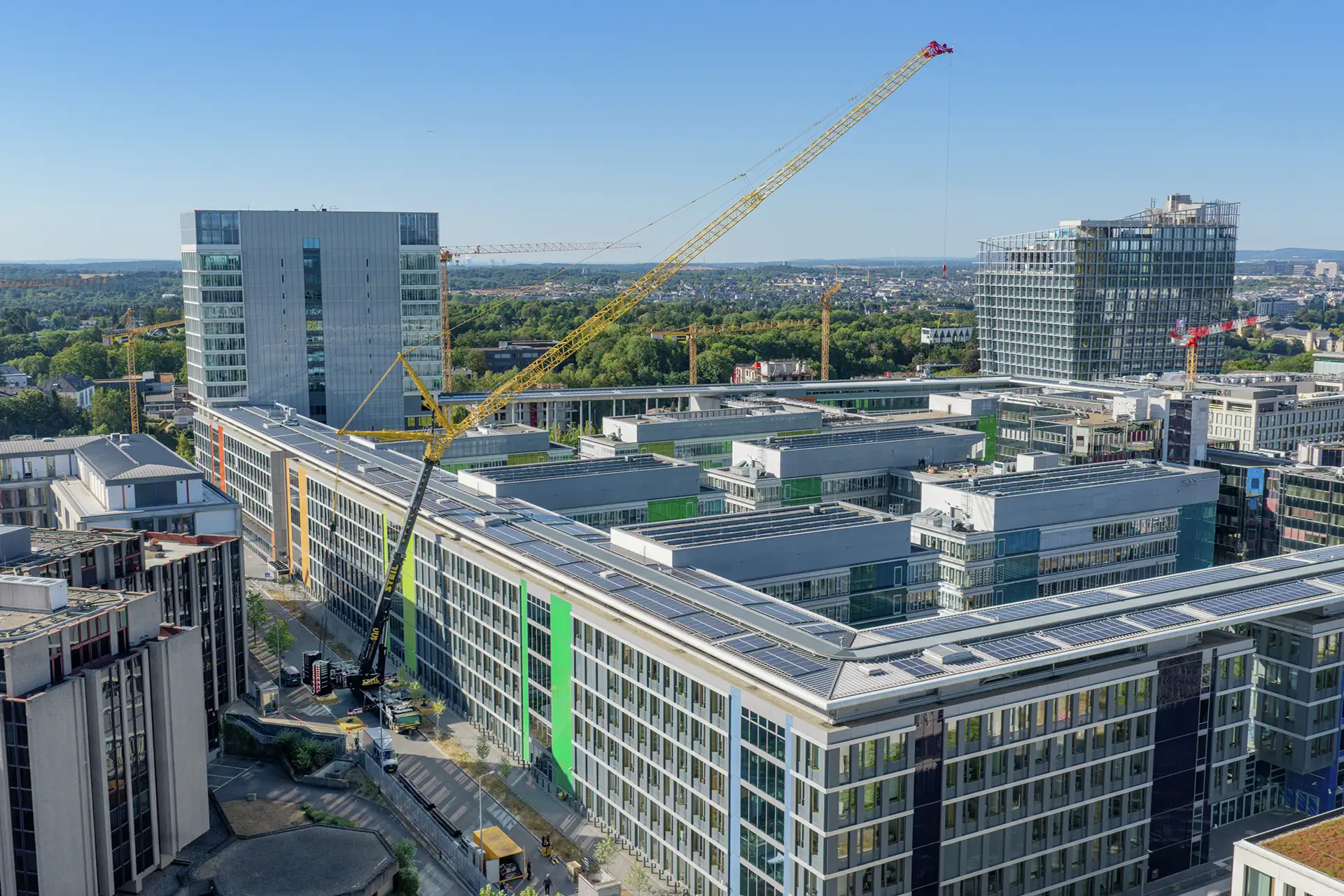
Replacing the European Parliament’s air-conditioning system in Luxembourg required a long reach, precise planning and meticulously coordinated logistics. A Liebherr LTM 1650-8.1 mobile crane from STEIL Kranarbeiten in Trier lifted six old components from the roof and installed the new units.

06.10.2026
Press releases
A step up: Schweri opts for new Liebherr LTM 1300-6.4 mobile crane
Schweri Autokranbetriebe GmbH & Co. KG is putting an LTM 1300-6.4 into service. With this 300-tonne crane, the company is increasing the lifting capacity of its fleet and responds to increasing demands in wind power, industrial and precast concrete installation projects.
02.10.2026
Listicles
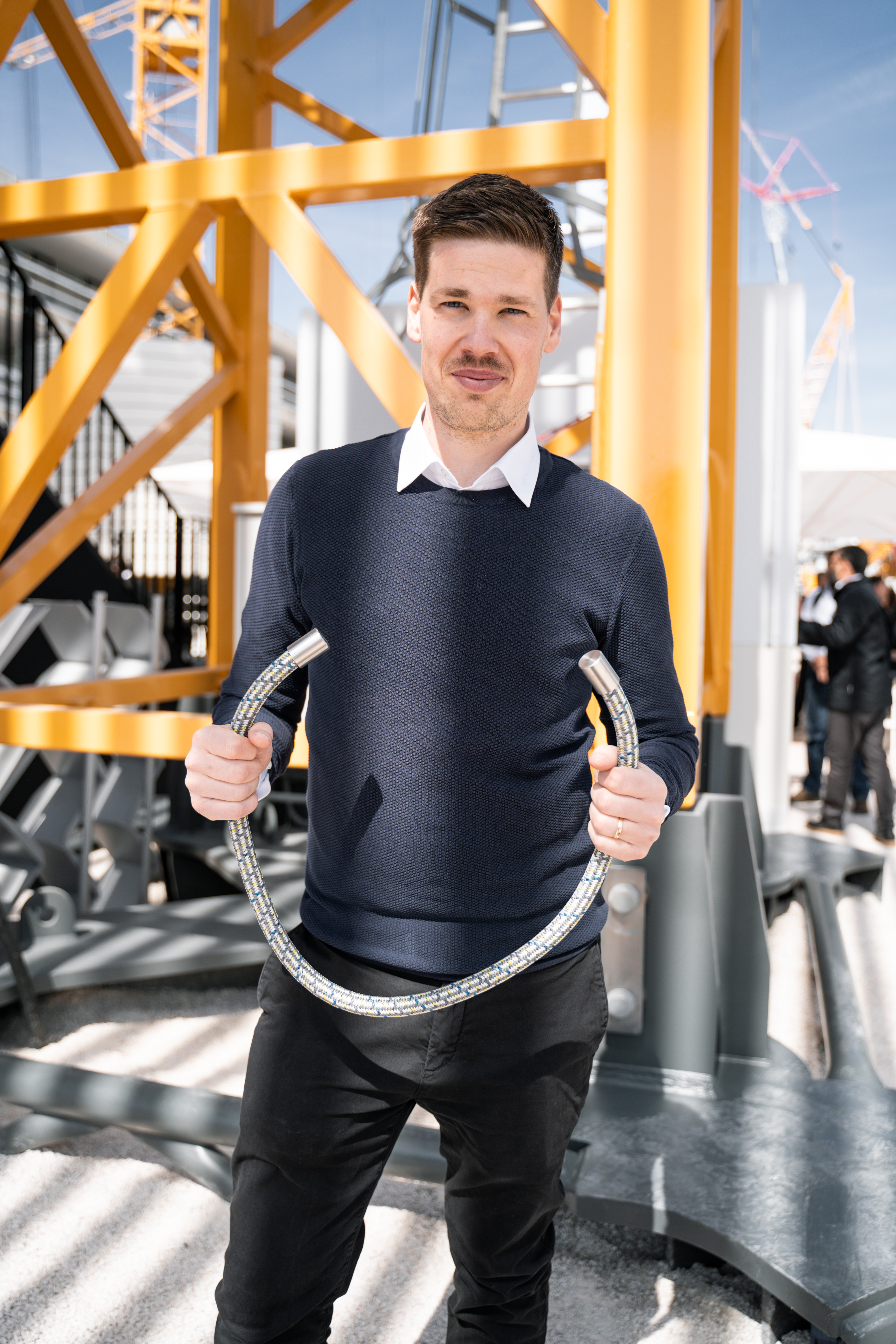
More experience, more confidence: six questions on the new period of use for Liebherr fibre ropes
Liebherr is increasing the period of use of its fibre ropes to up to 12 years in temperate climates and up to 8 years in hot climates, while the overall service life is rising from 14 to 16 years. But what's behind this decision, and why do all ropes already in the field benefit too? Six questions for Jochen Huber, Product Manager Fibre Technology at Liebherr, on the tests, the impact for customers on site, and the wider strategy behind Fibre technology.