



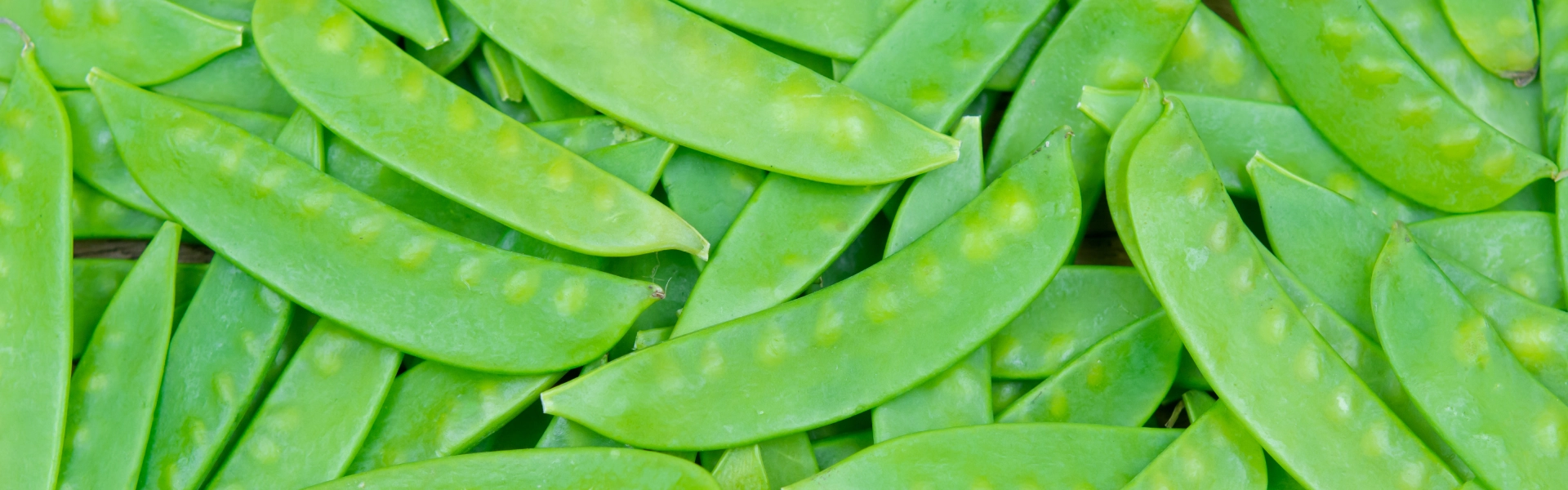
Everything you need to know about sugar snap peas: from purchasing to preparation
Sugar snap peas are true allrounders: sweet in taste, versatile in the ways you can prepare them and rich in nutrients. But what should you look out for when you buy them, how do you store them correctly, and what makes them so healthy? In this article, you’ll learn everything you need to know about the crunchy legumes – from tips on how to prepare them to their health benefits and storage methods. Find out how sugar snap peas can enhance your cuisine and diet.
Storage time*
| BioFresh Fruit & Vegetable safe just above 0 °C with high humidity | 14 Days |
| EasyFresh safe 7 °C with air regulation plate | 7 Days |
| Fridge compartment 7 °C | 6 Days |
| Freezer compartment -18 °C | 15 Months |
The key points
- Sugar snap peas,snow peas and mangetout peas are different names for the same edible pea variety.
- Nutrients: rich in vitamins, minerals and protein, easy to digest and very well-tolerated.
- Preparation: Sugar snap peas can be used raw, blanched, fried or boiled, and cooking them for a short time is the best way to keep them crunchy.
- Storage: Can be kept fresh in the fridge for 2–5 days, can be stored for up to 15 months after blanching and freezing them.
What’s the difference between snow peas, sugar snap peas and mangetout peas?
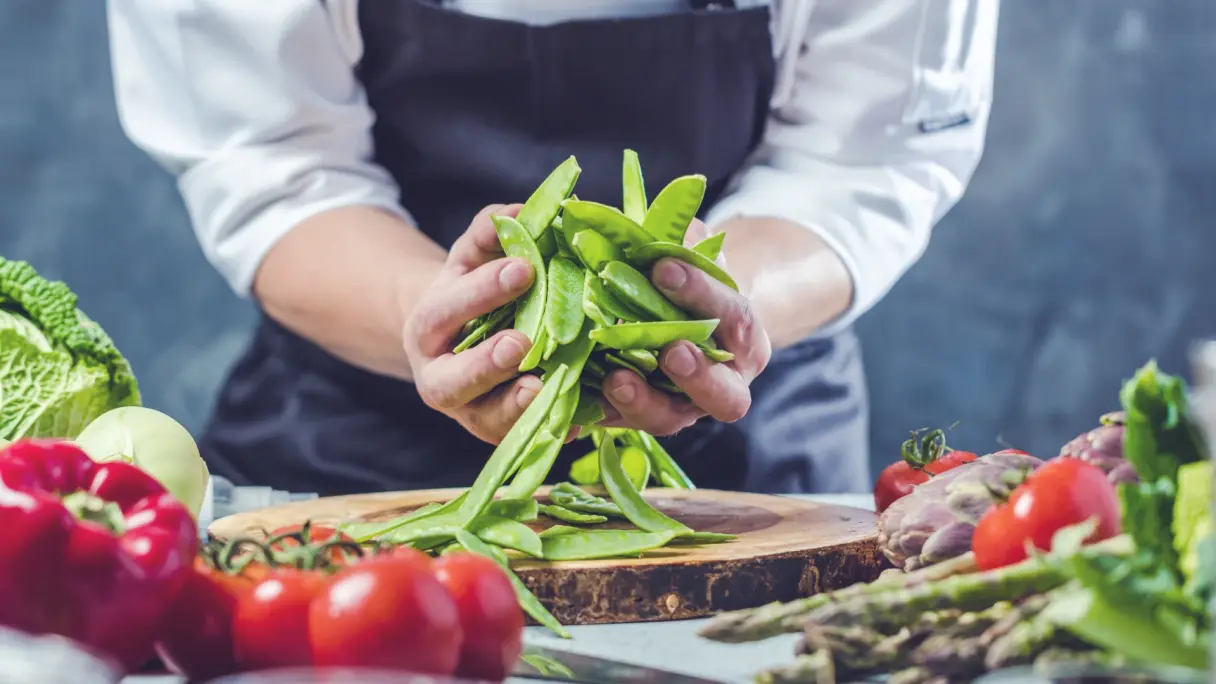
Sugar snap peas, snow peas and mangetout peas are different names for the same vegetable: a special variety of pea whose entire pod is edible.
They are noted for their delicate texture and sweet flavour, and can be prepared in versatile ways. Unlike other pea varieties, the pods have a higher sugar content that gives them their characteristic sweetness. In French-speaking countries, they are called “Mange-tout”, which translates as “eat everything” and indicates their special feature: both the pod and the peas inside can be consumed.
Sugar snap peas are a real asset for a balanced diet because they provide a number of vital nutrients. They contain a combination of valuable vitamins, minerals, fibre and vegetable protein:
- Sugar snap peas impress with their vitamin C, which strengthens the immune system, and provitamin A, which supports good eyesight and the skin.
- B vitamins promote energy metabolism, while minerals like potassium,magnesium and iron help regulate blood pressure and muscle function.
- Their protein content makes them a valuable source of protein, and the fibre they contain promotes healthy digestion. In addition, sugar snap peas are highly digestible compared to other legumes.
| Energy | Water content | Carbohydrates | Fat | Protein | Fibre |
|---|---|---|---|---|---|
| 69 kcal | Approx. 80% | 10 g | 0.2 g | 4 g | 5 g |
The nutrients in sugar snap peas
| Vitamin | 100 G contains | Minerals | 100 G contains |
|---|---|---|---|
| Vitamin C | 25 mg | Potassium | 300 mg |
| Vitamin B1 | 170 μg | Calcium | 20 mg |
| Vitamin B2 | 150 μg | Magnesium | 30 mg |
| Niacin | 2.7 mg | Sodium | 4 mg |
| Vitamin B5 | 750 μg | Phosphorus | 80 mg |
| Vitamin B6 | 160 μg | Iron | 2 mg |
| Biotin | 3 μg | ||
| Folic acid | 33 μg | ||
| Vitamin E | 500 μg |
Buying sugar snap peas: what you need to look out for
The peak season for regional sugar snap peas in Europe is from June until August. This is when they’re particularly fresh, tender and aromatic. During this time, they originate mostly from local cultivation outdoors, impressing with the short distances they are transported and their amazing freshness.Imported products from countries like Kenya, Egypt or Thailand are available all year round. These products ensure constant availability, but the long transit times often cause them to lose some of their flavour and crunchiness.
When you buy them, you should look for strong green, smooth pods with no spots or wilted patches. You can tell that sugar snap peas are fresh if they crack easily when you break them and make a quiet squeak when you rub them together. Discoloured or limp pods have usually been piled on top of each other. You will often find particularly fresh, untreated produce at weekly markets and in farm shops run directly by the producer.
Sugar snap peas are also excellent when it comes to sustainability: despite transport routes that can be long in some cases, their carbon footprint equates to less than 130 g of CO₂ per 100 g. If you buy seasonal produce and look for items from the local region, you further reduce the ecological footprint.
Preparing sugar snap peas: how to keep them crunchy and rich in vitamins
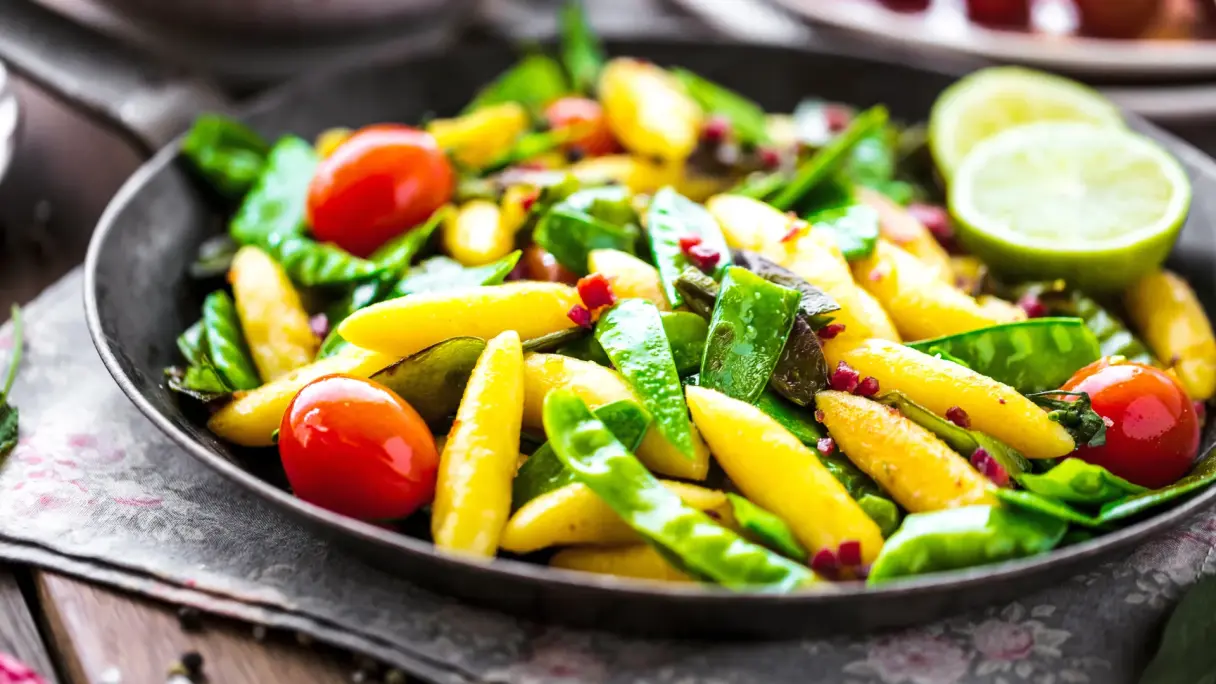
Sugar snap peas are versatile and ready to serve in just a few minutes. They taste great raw, blanched, fried or boiled for a short time: ideal for rustling up some quick, healthy cuisine.
Before you cook them, you should wash the pods thoroughly, cut off the ends and, for larger products, remove the strings.
Blanch them for 2–3 minutes in salty, bubbling water and then rinse them in iced water. This will preserve their colour, bite and valuable vitamins.
Even fried off briefly in olive oil or sesame oil with a little garlic,ginger or soya sauce, they develop their full aroma.
In wok, noodle or soup dishes, it’s best to add them at the end of the cooking time so they remain nice and crunchy.
As sugar snap peas can be eaten raw, they are also a great addition to salads and vegetable platters because they give them a fresh, sweet note.
*All specifications given are to be considered as guideline values, and depend in each case on the type of food and on the proper storage without interruption of the cold chain from harvest/production through to the Liebherr appliance. Should food products have information about minimum shelf life, the date on the packaging always applies.
This text has been machine translated from English.