

Liebherr-Werk Biberach GmbH
Memminger Straße 120
88400 Biberach an der Riß
Germany
Press releases | 02. 10. 2026
Liebherr is increasing the overall service life of its Fibre ropes from 14 to 16 years, with the decisive period of use rising to up to 12 years. This is based on multi-year ageing trials on test rigs and analyses of ropes already in field. The new ruling applies automatically to all new ropes and those already in the field. This step forms part of Liebherr's ongoing path towards establishing Fibre technology as the new standard in the tower crane market.
Multi-year ageing trials and evaluations of ropes in field use confirm the high durability of the Liebherr Fibre rope. For this purpose, several ropes were exposed to weathering at different locations worldwide for 2, 4 and 6 years respectively, and subsequently tested to failure under realistic conditions in various test set-ups. The test results show that, even after 6 years, values are achieved that are nearly identical to those of a new rope.
In parallel with the ageing trials, Liebherr analysed the usage of Fibre cranes on the market and its effect on rope service life. Increasing the overall service life makes it possible to keep the storage period constant while simultaneously increasing the period of use. The new ruling increases the maximum permitted usage of each rope. This particularly benefits cranes whose ropes have so far only been subject to comparatively low stress. Evaluations of ropes in the field over the past 7 years show that at least half of all cranes benefit significantly from this increase. The decisive factor here is the individual stress placed on each rope.
A crane's hoist rope, whether steel rope or Fibre rope, is a wear part, and factors such as the number of lifts, the weight on the hook and the shift pattern on site all play a decisive role.
The biggest difference lies in accumulated experience: steel ropes have been in use for decades, whereas Liebherr has only been building up experience with Fibre ropes for around 15 years, using this as the basis for targeted further improvements. Very few steel ropes ever reach their theoretical maximum service life. In most cases, they are replaced beforehand due to rope damage. Evaluations from Liebherr's own rental fleets, covering almost 200 cranes over periods of up to 13 years, show that steel ropes remain on the crane for an average of 2 to 2.5 years before they need to be replaced. This order of magnitude has since also been confirmed by several major partners from their own rental fleets. With Fibre rope, most instances of damage can instead benefit from repair directly on the crane, meaning a rope change is unnecessary and downtime on site is minimised. Combined with rope shortening, around 90 per cent of all rope damage can be resolved, meaning Fibre ropes can, in the vast majority of cases, be used right up to their discard criterion, rather than having to be replaced at considerable time and cost following damage.
The increased overall service life and the increased period of use apply to all new ropes and those already in the field, regardless of their production date. Customers do not need to take any action; the adjustment applies automatically. The overall service life continues to be calculated from the date the rope was made up, which is engraved on the end connection. Regardless of this, the actual stress on each individual rope remains the decisive factor: should a rope reach its discard criterion earlier, it will be indicated, as before, by the appearance of the red signal layer.
By the turn of the year, more than 400 Fibre cranes will be in the market. The new ruling benefits all cranes whose usage to date allows for a longer service life, and seven years of field data on rope evaluations show that at least half of all cranes benefit significantly from this increase.
Since bauma 2025, Liebherr has been steadily improving the cost-effectiveness of Fibre technology, first with a 26 per cent price reduction on replacement ropes in April, and now with an increase in the period of use of up to 20 per cent. The benefits of the technology fall into four areas: easy handling, economical operation, investment security, and efficient, responsible use. It saves time and improves comfort and safety on site, while decades of experience on the test rig and in the field confirm the rope's robustness and repairability. Building on existing systems from steel rope cranes, load capacity increases of up to 40 per cent are also possible with efficient use of resources.
“We are convinced that the technology will prevail in the market thanks to its economic advantages,” says Jochen Huber, Product Manager Fibre Technology, Liebherr Tower Crane Division.
22. 09. 2026
Listicles
Five questions that show why planning a tower crane deployment is more complex than you might think
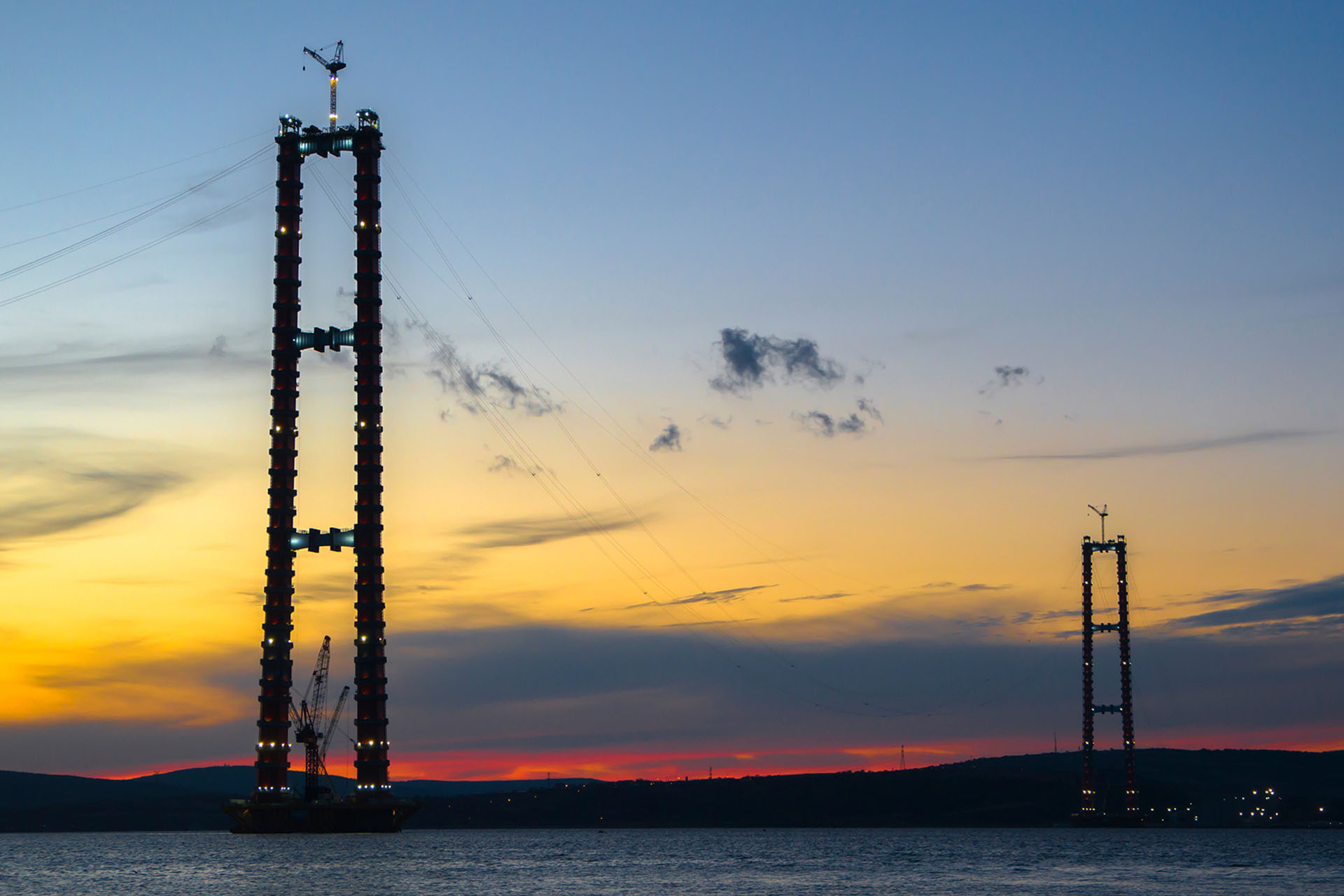
On spectacular construction sites, it's the structures that take the spotlight. But building bridges, tunnels or skyscrapers in the first place often demands equally extraordinary crane concepts. From the Sagrada Família in Barcelona to the Fehmarnbelt Tunnel in Denmark, Liebherr supports demanding tower crane deployments worldwide. Max Widder, Head of Project Planning at Tower Crane Solutions, gives insight into the challenges behind some of the most complex crane projects in the world.
10. 09. 2026
Press releases
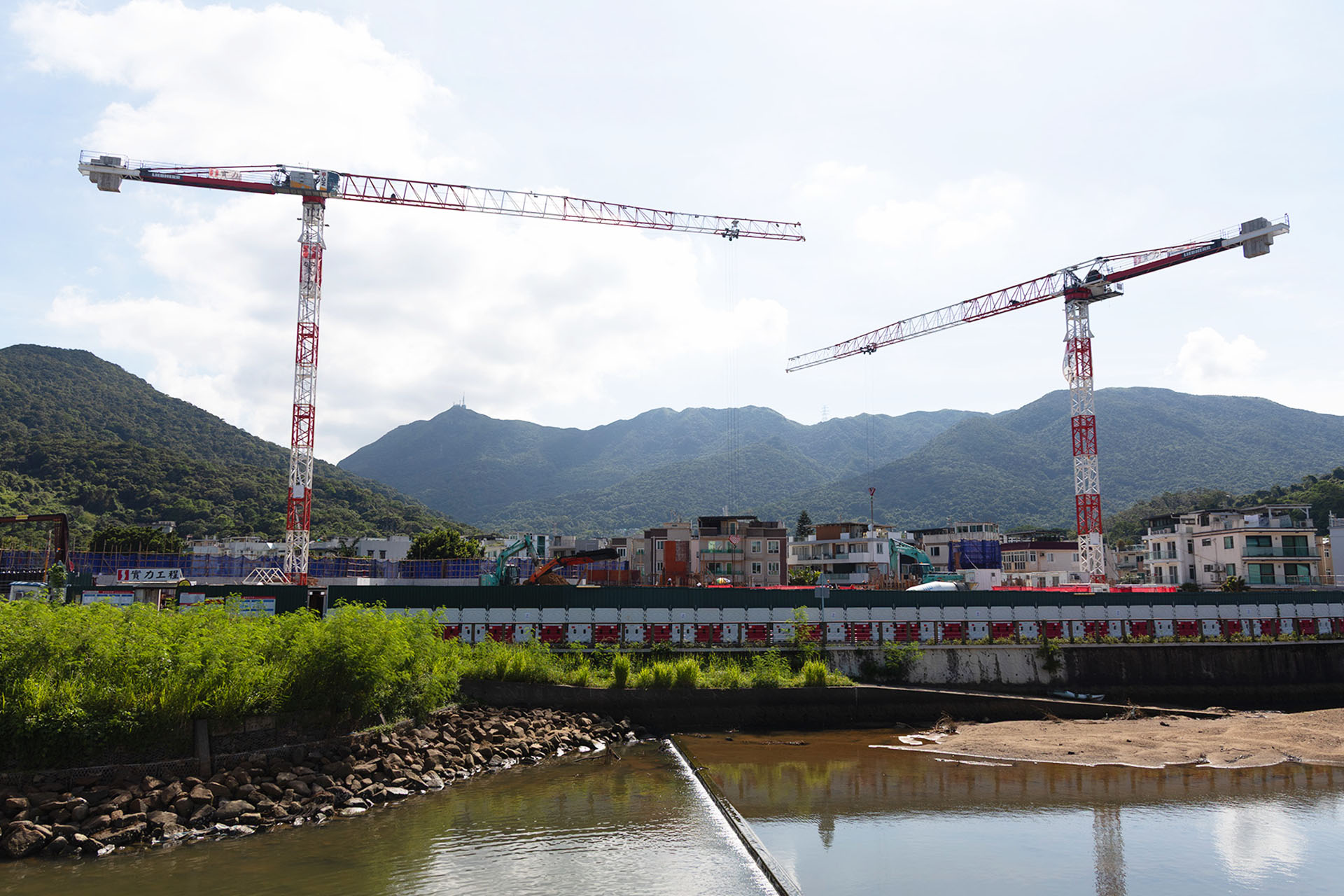
Considerate and flexible: two Liebherr NC-B cranes at work in Sai Kung
A new residential development is under construction in Ho Chung, Sai Kung. Foundation and excavation and lateral support works have been underway since December 2024 and are expected to continue until end of 2026. Two Liebherr NC-B 12-70 tower cranes are handling material logistics on the confined site.
03. 09. 2026
Press releases
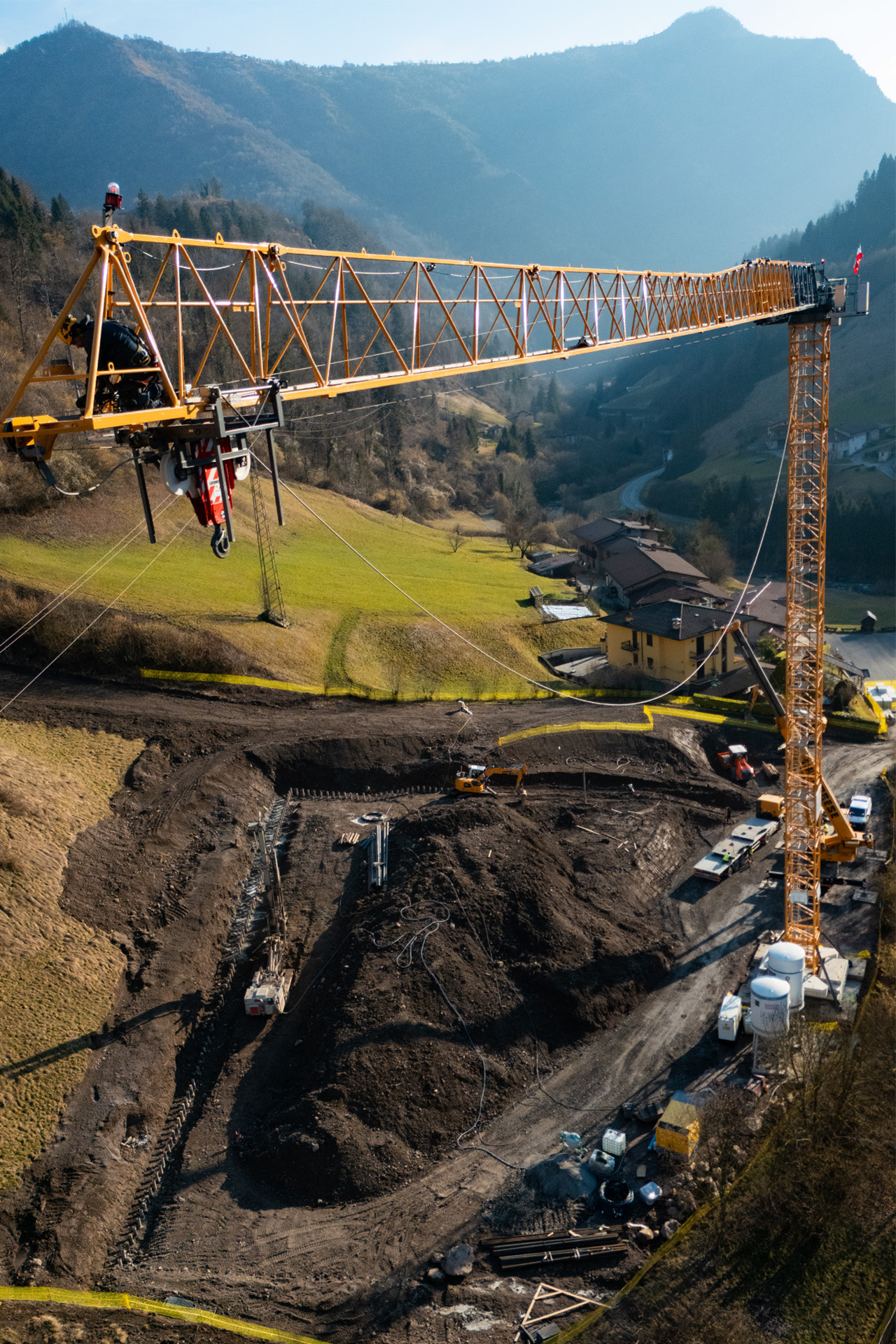
Water for a whole valley: Liebherr Fibre crane at work high in Val Trompia
In Bovegno, Italy, work is progressing on a new drinking water treatment plant designed to supply thousands of residents and businesses across the Val Trompia region. Handling the major lifting tasks on site is a Liebherr 240 EC-B Fibre tower crane, its fourth deployment and the first of its kind to arrive in the country.